The Hidden Cost of Smart Driving: ADAS Repair Economics
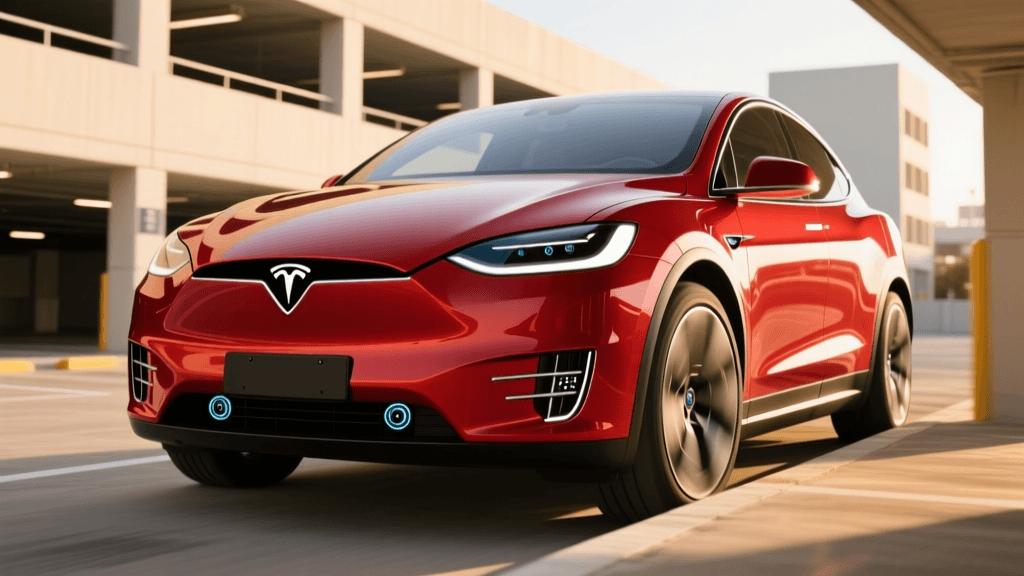
As electric vehicles and smart hybrids increasingly rely on Advanced Driver Assistance Systems (ADAS), the automotive industry is facing a massive paradigm shift in repair economics. While features like automatic emergency braking (AEB), adaptive cruise control, and lane centering drastically reduce collision frequencies, the severity and cost of repairs when accidents do occur have skyrocketed. A minor fender bender that would have cost $500 to fix on a 2015 sedan can now easily exceed $3,000 on a 2024 smart EV equipped with corner radars, ultrasonic sensors, and forward-facing LiDAR.
For EV buyers and smart driving enthusiasts, understanding the reliability, replacement costs, and future trajectory of ADAS hardware is no longer optional—it is a critical component of total cost of ownership (TCO). According to data and safety guidelines outlined by the National Highway Traffic Safety Administration (NHTSA), while ADAS technologies are fundamentally designed to mitigate human error and improve road safety, the physical vulnerability of the sensors themselves presents a unique challenge for the automotive aftermarket and insurance industries.
Current ADAS Sensor Repair Cost Breakdown
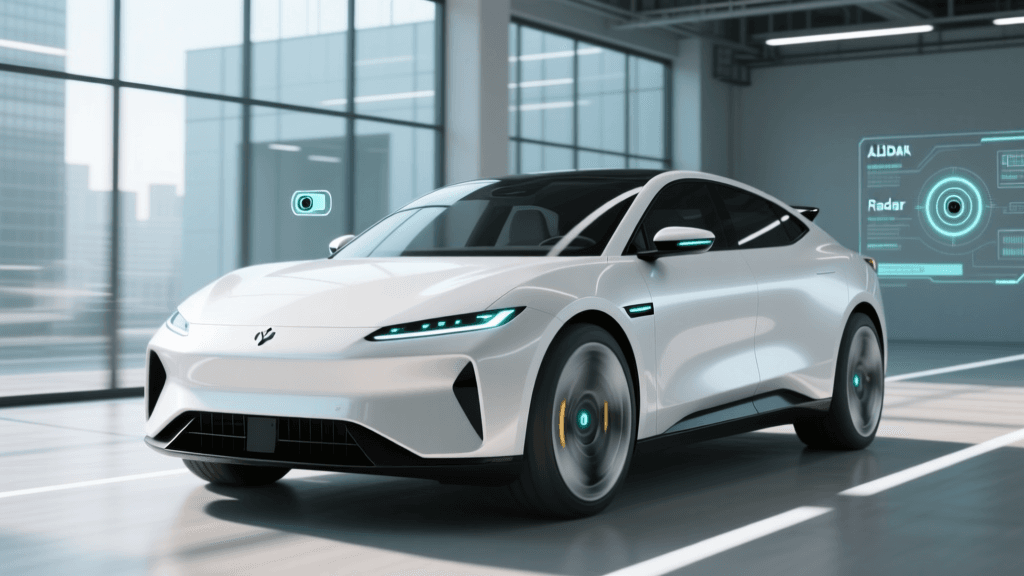
To understand the financial impact of ADAS reliability, we must break down the hardware. Modern smart vehicles utilize a sensor fusion approach, combining data from multiple sources to build a 360-degree map of the environment. When one of these sensors is damaged, it is not just a simple parts swap; it requires precise recalibration.
| Sensor Type | Typical Placement | Estimated Part Cost | Calibration Cost | Reliability Risk Factor |
|---|---|---|---|---|
| Front Radar (77GHz) | Front Bumper / Lower Grille | $500 - $1,500 | $250 - $400 | High (stone chips, minor front-end collisions) |
| Ultrasonic Sensors | Front & Rear Bumpers (Corners) | $150 - $300 (each) | $100 - $200 | Medium (parking scrapes, weather exposure) |
| Forward-Facing Camera | Windshield (Behind Rearview Mirror) | $200 - $600 | $300 - $500 | High (windshield replacements require mandatory recalibration) |
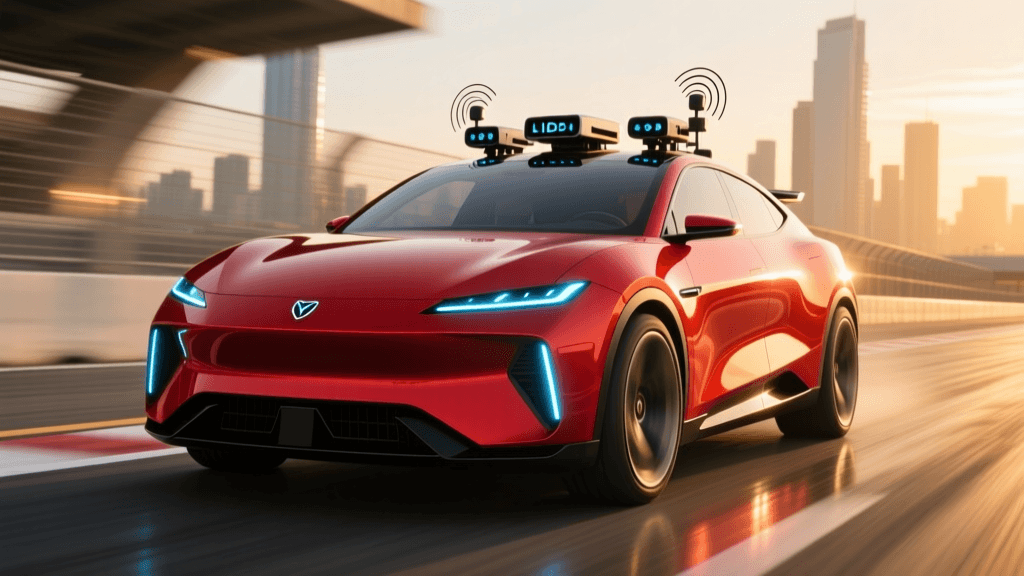
| LiDAR Module | Roof, Grille, or Front Fenders | $1,000 - $3,500 | $400 - $800 | Very High (exposed placement, fragile optics, high part cost) |
| Corner Radars | Rear Bumper Corners | $400 - $900 | $200 - $350 | Medium (blind spot monitoring damage in parking lots) |
The Calibration Bottleneck
The true cost of ADAS repair lies in calibration. Replacing a forward-facing camera or a front radar is only half the battle. The new sensor must be perfectly aligned with the vehicle's thrust angle and steering wheel center. This requires 'static calibration' (using specialized laser targets and perfectly level floors in a controlled shop environment) and 'dynamic calibration' (driving the vehicle at specific speeds on well-marked roads to allow the system to self-align). This labor-intensive process is why a $300 windshield replacement on an older car translates to an $800+ invoice on a modern smart vehicle.
Reliability Trends: What is Breaking and Why?
While the Insurance Institute for Highway Safety (IIHS) continuously highlights the life-saving benefits of AEB and lane-keeping systems, the physical reliability of the sensors in harsh real-world conditions remains a point of contention.
- Environmental Degradation: LiDAR units and optical cameras are highly susceptible to environmental wear. UV radiation can degrade camera lens coatings over time, while road salt, acid rain, and extreme temperature fluctuations can compromise the weather-sealing of exterior-mounted LiDAR pucks.
- Calibration Drift: Over time, minor vibrations from rough roads, potholes, and suspension wear can cause 'calibration drift.' A radar module misaligned by just a fraction of a degree can result in phantom braking or the failure to detect a stationary obstacle at highway speeds.
- Fascia Interference: Modern radars are often hidden behind painted plastic bumper fascias for aesthetic purposes. However, minor scratches, aftermarket paint jobs, or even thick layers of winter ice and mud can alter the dielectric properties of the plastic, blinding the radar and triggering dashboard warning lights.
Future Outlook: How Automakers Are Tackling Repair Costs
The automotive industry is acutely aware that skyrocketing repair costs and insurance premiums threaten the mass adoption of Level 3 and Level 4 autonomous driving features. As a result, Tier 1 suppliers like Continental, Bosch, and Hella, alongside EV startups, are engineering the next generation of ADAS hardware with repairability and reliability in mind.
Behind-the-Glass Radar and Solid-State LiDAR
One of the most promising future trends is the relocation of vulnerable sensors. Engineers are actively developing and deploying 'behind-the-glass' radar systems. By mounting the radar unit behind the windshield (near the rearview mirror cluster) or behind specialized heated, radar-transparent smart glass, the sensor is completely protected from stone chips, parking lot impacts, and road grime. This single design shift is projected to reduce front-end radar replacement claims by over 60% in the next decade.
Similarly, the transition from mechanical spinning LiDAR to Solid-State LiDAR is revolutionizing reliability. Mechanical LiDAR relies on spinning motors and fragile mirrors, which are prone to wear and vibration damage. Solid-state LiDAR uses optical phased arrays or micro-mirrors (MEMS) with zero or minimal moving parts. This not only drastically lowers the manufacturing cost over time but exponentially increases the mean time between failures (MTBF), making them far more reliable for daily consumer EV use.
Predictive Maintenance via Over-the-Air (OTA) Updates
Future ADAS reliability will not just be about hardware; it will be about software-driven predictive maintenance. Smart vehicles are already beginning to utilize OTA updates to monitor sensor health. By analyzing the signal-to-noise ratio of a radar or the contrast degradation of a camera lens, the vehicle's central computer can predict sensor failure or calibration drift before it results in a safety hazard, prompting the driver to seek service proactively rather than reacting to a sudden system shutdown on the highway.
Actionable Advice for EV and Smart Car Buyers
If you are in the market for a new electric vehicle or a smart hybrid equipped with advanced ADAS suites, you must factor sensor reliability and repair costs into your purchasing decision. Here is how to protect your wallet:
- Audit Insurance Premiums Before Buying: Vehicles with exposed, corner-mounted LiDAR or complex multi-sensor fusion suites often carry higher comprehensive and collision insurance premiums due to the cost of claims. Always get an insurance quote for the specific trim level (e.g., a Tesla Model Y Performance vs. a Lucid Air Grand Touring) before signing the purchase agreement.
- Prioritize Redundant Sensor Placement: Look for brands that utilize redundant sensor placement or protected mounting. For example, vehicles that house their primary forward-sensing radars behind the windshield or upper grille emblems are less likely to suffer costly damage in minor front-end scrapes compared to vehicles with radars mounted in the lower air dam.
- Investigate Mobile Calibration Services: Dealership monopolies on ADAS calibration are ending. Before buying, research whether your local area has certified mobile ADAS calibration technicians. Mobile services can often perform static and dynamic calibrations at your home or office for 30% to 50% less than a franchised dealership, saving you hundreds of dollars when you inevitably need a windshield replacement.
- Check the ADAS Warranty and Service Plans: Some premium EV manufacturers bundle ADAS sensor calibration into their extended service plans or offer specific 'glass and sensor' protection packages. If you live in an area with harsh winters, heavy gravel roads, or high debris, purchasing a dedicated windshield and sensor protection plan can yield a massive return on investment.
Conclusion
The future of smart driving is incredibly bright, with ADAS features steadily reducing fatalities and making our daily commutes less stressful. However, the transition period we are currently in—where highly sensitive, expensive optics and radars are mounted on the vulnerable exterior corners of our vehicles—creates a challenging repair landscape. As solid-state LiDAR and behind-the-glass radar technologies mature and reach mass production, we will see a significant stabilization in ADAS repair costs. Until then, smart buyers must look beyond the sticker price, evaluating the hidden costs of sensor reliability, calibration requirements, and the future-proofing of their vehicle's autonomous hardware.