Understanding ADAS Hardware: Cameras vs. Radar
Advanced Driver Assistance Systems (ADAS) have revolutionized automotive safety, but they are not immune to environmental interference, hardware blockages, or calibration errors. When you are relying on your vehicle to maintain a safe following distance or keep you centered in your lane, a sudden dashboard warning can be incredibly frustrating. Two of the most widely deployed and highly rated systems on the market are Subaru's EyeSight and Toyota's Safety Sense (TSS). However, they rely on fundamentally different hardware architectures, which dictates how they fail and how you must troubleshoot them.
According to the Insurance Institute for Highway Safety (IIHS), while ADAS features significantly reduce crash rates, drivers must remain vigilant and understand system limitations, especially when sensors become compromised. Subaru EyeSight relies almost exclusively on a pair of stereo cameras mounted near the rearview mirror to perceive depth and read the road. In contrast, Toyota Safety Sense typically utilizes a monocular camera paired with a millimeter-wave radar sensor hidden behind the front grille or emblem. This hardware divergence means that a problem that disables EyeSight might not affect TSS, and vice versa.
Hardware Vulnerability Comparison
| Feature | Subaru EyeSight | Toyota Safety Sense (TSS) |
|---|---|---|
| Primary Sensors | Stereo Cameras (Windshield) | Monocular Camera + Millimeter-Wave Radar |
| Common Failure Triggers | Internal fog, windshield chips, direct sun glare | Snow/ice on front emblem, heavy rain, dirt on radar |
| Calibration Requirement | Static (Target boards in service bay) | Static (Camera) + Dynamic (Radar road test) |
| Aftermarket Glass Tolerance | Very Low (OEM glass highly recommended) | Moderate (Camera recalibration still required) |
Troubleshooting Subaru EyeSight
1. The 'EyeSight Disabled' Warning and Camera Blockage
The most common issue Subaru owners face is the 'EyeSight Disabled' message. Because the stereo cameras look through a small, specific trapezoidal area at the top of the windshield, any obstruction in this zone will shut the system down. If it is raining or snowing, the wipers might not clear the top edge of the glass. Solution: Manually activate your windshield wipers and use the washer fluid to clear the upper camera zone. If the system does not reactivate within 30 seconds, pull over safely and wipe the exterior glass directly in front of the rearview mirror housing with a clean microfiber cloth.
2. Internal Condensation and Cabin Humidity
Unlike radar, optical cameras cannot see through condensation. If you enter your Subaru on a cold morning and your breath creates humidity, condensation can form on the inside of the windshield, directly over the EyeSight housing. The system will chime and disable itself. Solution: Turn your climate control to the defrost setting, set the fan to high, and ensure the air conditioning compressor is engaged (which acts as a dehumidifier). Direct the vents toward the windshield. Avoid using your hand to wipe the inside of the glass near the cameras, as skin oils will create a smudge that the cameras will interpret as a permanent obstruction.
3. Direct Sunlight and Washout
Stereo cameras are highly susceptible to 'washout' when driving directly into a low sunrise or sunset. The intense light blinds the sensors, causing the lane keep assist and pre-collision braking to temporarily suspend. Solution: Deploy your sun visor. While this blocks your view, it also shades the EyeSight cameras, often allowing the system to remain active. If the system still disables, you must rely on manual driving until the sun angle changes.
Troubleshooting Toyota Safety Sense (TSS)
1. Front Radar Obstructions (The 'Emblem' Problem)
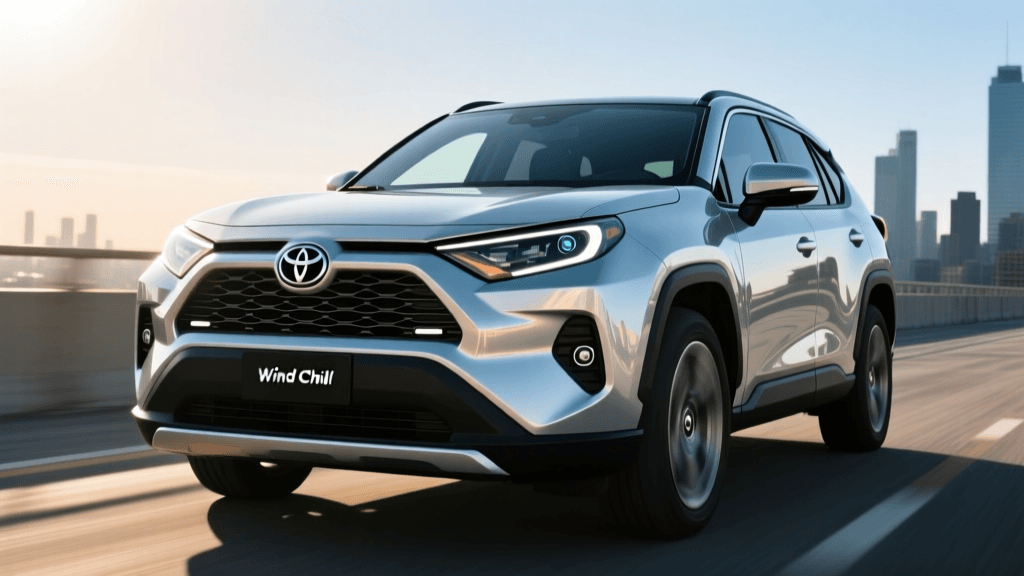
Toyota hides its millimeter-wave radar behind the front Toyota emblem or a flat plastic panel in the lower grille. If you see a 'Pre-Collision System Unavailable' or 'Radar Obstructed' warning, the issue is almost always at the front of the car. Mud, snow, ice, or even a thick layer of highway bug splatter will block the radar waves. Solution: Wipe the front emblem clean. Warning: Do not use abrasive brushes, scrapers, or harsh chemical degreasers on the emblem. Scratching the plastic cover can scatter the radar waves, causing permanent sensor errors that require a dealership replacement of the front grille assembly.
2. Phantom Braking and False Positives
Some Toyota owners report 'phantom braking,' where the vehicle suddenly decelerates for no apparent reason. This often happens when the radar misinterprets a vehicle in an adjacent lane, a metallic roadside sign, or a shadow as an obstacle in your path. The National Highway Traffic Safety Administration (NHTSA) emphasizes that these systems are designed to assist, not replace, an attentive driver, and false positives can occur in complex driving environments. Solution: Access your Multi-Information Display (MID) settings via the steering wheel controls. Navigate to the PCS (Pre-Collision System) settings and adjust the warning timing from 'Early' to 'Normal' or 'Late'. This reduces the system's hyper-sensitivity to peripheral objects.
3. Heavy Rain and Radar Scatter
While radar can see through fog better than a camera, heavy, torrential rain can cause 'radar scatter,' where the water droplets reflect the millimeter waves back to the sensor, blinding it. Testing by Consumer Reports highlights that environmental factors like heavy rain and snow can severely degrade ADAS performance across all brands. Solution: There is no physical fix for this while driving in a storm. The system will display a warning and disable Dynamic Radar Cruise Control (DRCC). You must take over full speed and distance management until the precipitation lightens.
Windshield Replacements and Calibration Nightmares
One of the most costly troubleshooting scenarios for ADAS owners involves windshield replacement. If a rock chips your windshield in the camera's field of view, you cannot simply swap the glass and drive away. Both Subaru and Toyota require precise recalibration of the cameras to ensure the software aligns with the new glass's optical properties.
The Subaru OEM Glass Mandate: Subaru has issued technical service bulletins strongly recommending Original Equipment Manufacturer (OEM) glass for EyeSight-equipped vehicles. Aftermarket glass can have microscopic optical distortions or slightly different thicknesses. Because EyeSight uses stereo vision (calculating depth by comparing two slightly offset images), even a 1% optical distortion in cheap glass can cause the system to miscalculate distances, leading to calibration failure or dangerous braking errors. If a mobile glass service tells you they can use aftermarket glass and 'calibrate it anyway,' refuse the service and go to a dealer or a certified glass center that stocks OEM Subaru glass.
Calibration Costs and Timing: Expect to pay between $150 and $300 for an ADAS calibration on top of the glass replacement cost. For Toyota, the process may also require a 'dynamic calibration,' meaning a technician must drive your vehicle at specific speeds (usually between 25 and 50 mph) on a straight, well-marked road for 15 to 30 minutes so the radar can learn the vehicle's alignment. Always ask your service provider if their calibration quote includes both static (target board) and dynamic (road test) procedures.
Summary Checklist for ADAS Maintenance
- Weekly: Wipe down the front Toyota emblem and the upper Subaru windshield area with a microfiber cloth.
- Seasonally: Apply a high-quality glass sealant (like Rain-X) to the exterior windshield to prevent water from clinging to the camera zone, but avoid applying it to the front radar emblem.
- Post-Repair: Never skip ADAS recalibration after a wheel alignment, suspension repair, or windshield replacement. Even a slight change in the vehicle's pitch can throw off the radar's horizon line.
- Software Updates: During routine oil changes, ask your dealer if there are any Technical Service Bulletins (TSBs) or software flashes available for your ADAS module. Manufacturers frequently release updates to reduce phantom braking and improve lane centering logic.
By understanding the distinct hardware differences between Subaru's camera-reliant EyeSight and Toyota's radar-assisted Safety Sense, you can quickly diagnose dashboard warnings, perform the right physical maintenance, and avoid costly calibration mistakes at the repair shop.