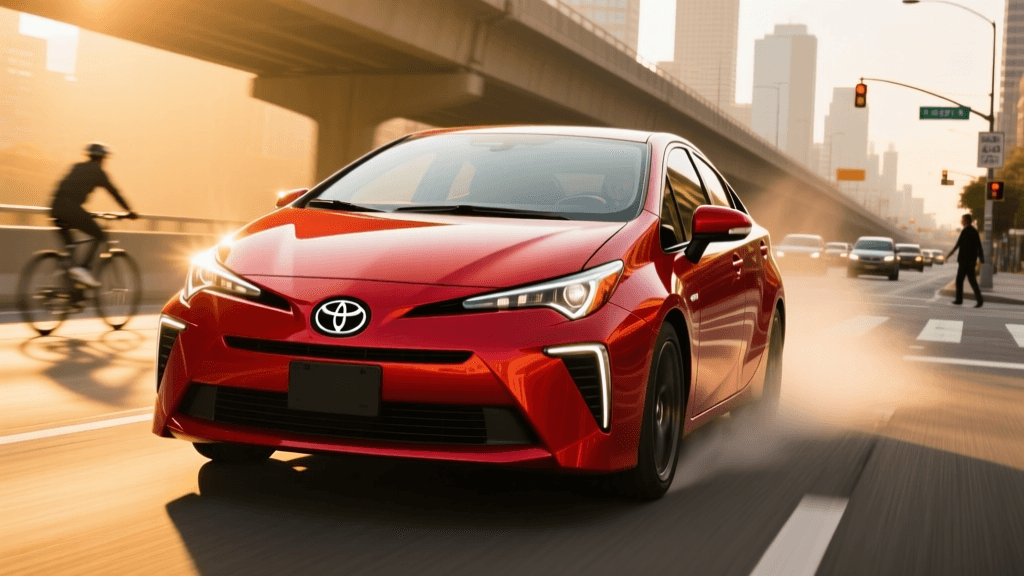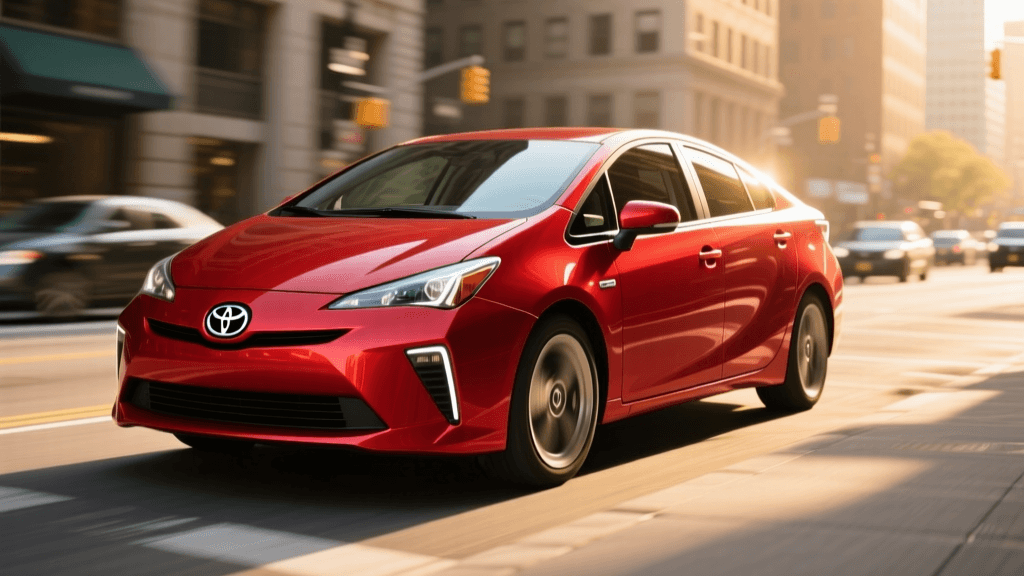
The fifth-generation Toyota Prius is a revelation. Gone are the days when driving a Prius meant sacrificing style and performance for the sake of fuel economy. With its striking fastback silhouette and a hybrid powertrain producing up to 196 horsepower in AWD trims, the latest Prius is a genuine driver's car that still sips fuel. However, beneath the sleek new sheet metal lies a highly complex hybrid synergy drive system that requires specific driving habits, maintenance routines, and troubleshooting know-how to achieve its legendary efficiency. In this comprehensive review, we shift our focus from brochure specs to real-world problem solving, addressing the most common daily driving complaints and MPG shortfalls reported by actual owners.
Troubleshooting Real-World MPG: Why Aren't You Hitting 57 MPG?
The EPA rates the front-wheel-drive Prius LE at an astonishing 57 MPG combined. However, a quick scan of owner forums and social media groups reveals many drivers averaging between 42 and 48 MPG in mixed driving. Before you suspect a defective hybrid inverter or a failing traction battery, consider the environmental and mechanical variables that disproportionately affect the Prius's highly optimized powertrain.
Tire Pressure and Rolling Resistance
The Prius LE rides on 195/60R16 all-season tires specifically engineered for low rolling resistance. According to the U.S. Department of Energy, under-inflated tires can lower gas mileage by up to 0.2% for every 1 PSI drop. Because the Prius is exceptionally aerodynamic and lightweight, rolling resistance accounts for a massive percentage of its overall energy consumption. The Fix: Check your tire pressures weekly when the tires are cold. While the door jamb sticker may recommend 33 or 35 PSI, many hypermilers and veteran Prius owners safely inflate their low-rolling-resistance tires to 36-38 PSI. This minimizes sidewall flex, reduces the contact patch slightly, and can reclaim 2-4 MPG on the highway without significantly compromising ride quality.
Climate Control and Battery Thermal Management
The Prius utilizes an electric heat pump and a high-voltage PTC heater for cabin warmth. In freezing weather, the internal combustion engine (ICE) will force itself on to generate waste heat for the cabin, completely bypassing EV mode and tanking your city MPG. The Fix: Rely on the heated seats and heated steering wheel instead of blasting the cabin air. Set the climate control to 'AUTO' at 68°F rather than 'HI.' Furthermore, ensure the hybrid battery cooling fan intake (located on the right side of the rear seat) is never blocked by winter coats, blankets, or cargo. A suffocated battery will overheat, prompting the ECU to limit regenerative braking and battery assistance, which destroys fuel economy and accelerates battery degradation.
Driving Modes and the 'B' Gear Misconception
Many new hybrid owners mistakenly use the 'B' (Engine Braking) gear on the highway, assuming it charges the battery faster. It does not. 'B' mode intentionally creates mechanical drag by keeping the ICE engaged to simulate engine braking, which wastes kinetic energy as heat rather than storing it in the battery. The Fix: Leave the shifter in 'D' for all normal driving. Only use 'B' when descending steep grades to save your friction brakes and prevent brake fade.
Real-World MPG Expectations vs. Conditions
| Driving Scenario | Expected MPG (LE FWD) | Common Owner MPG | Troubleshooting Fix |
|---|---|---|---|
| City Commute (Mild Weather) | 57 MPG | 52 - 55 MPG | Maximize regen braking; avoid 'B' gear; anticipate stops. |
| Highway (75+ MPH) | 56 MPG | 45 - 48 MPG | Check tire pressure; reduce aerodynamic drag (remove roof racks). |
| Winter City Driving (Freezing) | 57 MPG | 38 - 42 MPG | Use seat heaters; block lower grille partially to retain engine heat. |
| Mountainous / Hilly Terrain | 57 MPG | 40 - 45 MPG | Use 'B' mode on descents to save friction brakes and recapture energy. |
Daily Driving Quirks & Problem Solving
Beyond fuel economy, the radical redesign introduced new ergonomic and technological challenges. Here is how to troubleshoot the most common daily driving annoyances and optimize your time behind the wheel.
Infotainment Lag and Wireless Projection Overheating
The latest Prius features Toyota's Audio Multimedia system, available with an 8-inch or 12.3-inch touchscreen. While wireless Apple CarPlay and Android Auto are incredibly convenient, they are notorious for causing UI lag, audio dropouts, and severe smartphone overheating, especially when the phone is mounted near the windshield in direct sunlight or resting on the wireless charging pad. The Fix: For your daily commute, plug your phone into the primary USB-C data port using a high-quality, shielded cable. This disables the battery-draining wireless radios, keeps your phone cool, and eliminates interface latency. As noted in Edmunds' long-term review, the wired connection provides a vastly superior and more stable user experience, particularly for navigation-heavy commutes.
Cargo Space and the Sloping Roofline Workarounds
The Prius's stunning fastback silhouette comes at a distinct cost: rear headroom and cargo utility. With 23.8 cubic feet of space behind the rear seats, the cargo area is relatively shallow, and the hatch opening is narrow due to the aggressive roofline drop. The Fix: Ditch rigid, hard-shell luggage. Invest in soft-sided duffel bags and collapsible fabric storage bins that can be squeezed into the tapering corners of the trunk. Utilize the hidden under-floor storage compartment (available on trims without the spare tire) to stash charging cables, tire inflators, and detailing supplies, keeping the main deck clear for groceries and daily gear.
Regenerative Braking Feel and Adaptation
Toyota's hybrid synergy drive seamlessly blends regenerative braking with physical friction brakes. Some drivers complain the brake pedal feels 'grabby' or inconsistent at low speeds. This is usually the result of the friction pads engaging abruptly when the hybrid battery is fully charged or too cold to accept a heavy regenerative load. The Fix: Practice 'threshold braking.' Keep your foot light on the pedal to stay in the 'CHG' (Charge) zone on the driver's digital display. By braking earlier and lighter, you allow the electric motor to handle 90% of the deceleration, resulting in a smoother stop and maximizing energy recapture.
Hybrid System Maintenance for Long-Term Reliability
The Prius is legendary for its longevity, often surpassing 250,000 miles with basic care. However, the hybrid system requires specific attention that traditional gas cars do not. Neglecting these items will not only reduce your MPG but can lead to catastrophic and expensive component failures.
The Inverter Coolant and Hybrid Battery Filter
Unlike the standard engine coolant, the inverter coolant loop operates at a lower temperature and is critical for protecting the power control unit (PCU). Check the inverter coolant reservoir (located near the front of the engine bay) monthly; the fluid should be visibly turbulent when the car is ON, indicating the electric water pump is functioning. If the fluid is perfectly still, the pump has failed—a known issue on older generations that can quickly lead to a $2,000+ inverter replacement if ignored.
Additionally, the hybrid battery air filter must be cleaned regularly. According to Toyota's official maintenance guidelines, neglecting this filter forces the battery cooling fan to work harder, drawing parasitic power from the system and reducing overall efficiency. Pop off the plastic vent cover on the rear passenger seat, pull out the foam filter, and wash it with mild soap and water every 10,000 miles. If you have pets that shed heavily, check this filter every 3,000 miles, as pet hair is the number one cause of premature hybrid battery failure due to overheating.
Quick-Start Daily Driving Checklist
- Tire Pressure: Set to 36-38 PSI (cold) for optimal rolling resistance and highway MPG.
- Climate Control: Use seat heaters in winter to delay ICE engagement and maximize EV mode.
- Shifter Position: Keep in 'D' for highway and city; use 'B' only for steep descents.
- Battery Intake: Ensure the rear seat side-vent is free of obstructions, blankets, and pet hair.
- Phone Projection: Use wired USB-C to prevent infotainment lag and phone overheating.
Conclusion
The latest Toyota Prius is a masterclass in hybrid engineering, blending striking design with class-leading efficiency and surprisingly engaging driving dynamics. However, extracting the promised 57 MPG and enjoying a seamless daily driving experience requires a shift in habits and a proactive approach to maintenance. By actively managing tire pressures, optimizing climate control usage, adapting your braking technique, and maintaining the hybrid-specific cooling pathways, you can troubleshoot common shortfalls and ensure your Prius remains the undisputed, trouble-free king of the daily commute.