Mastering the Toyota Camry Hybrid: A Comprehensive How-To Guide
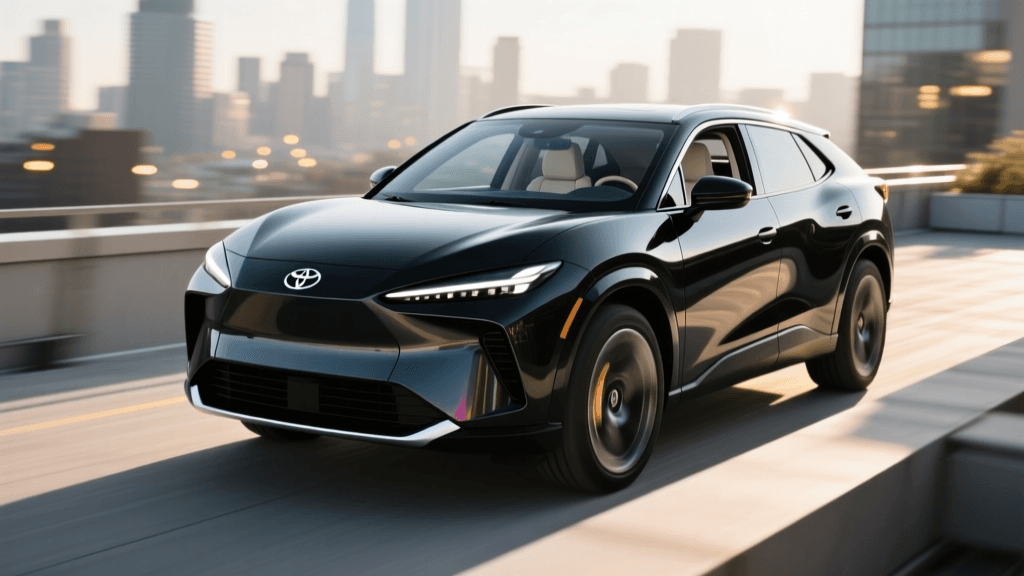
The Toyota Camry Hybrid has long stood as the gold standard in the midsize sedan segment, seamlessly blending exceptional fuel economy with a surprisingly refined driving experience. Built on Toyota’s versatile TNGA-K (Toyota New Global Architecture) platform, the Camry Hybrid offers a low center of gravity, rigid chassis, and a sophisticated Hybrid Synergy Drive powertrain. However, simply buying a hybrid doesn't automatically guarantee you will achieve the advertised EPA estimates or experience the pinnacle of cabin serenity. In this comprehensive how-to guide and review, we break down exactly how to configure, drive, and maintain your Toyota Camry Hybrid to extract every last mile per gallon while maximizing passenger comfort.
Step 1: Calibrating Your Drive Modes for Maximum MPG
The Camry Hybrid features a 2.5-liter Dynamic Force four-cylinder engine paired with an electric motor, generating a combined output that varies slightly by model year but consistently delivers impressive low-end torque. To get the most out of this system, you must understand how to manipulate the vehicle's drive modes and regenerative braking.
Mastering ECO Mode and the Hybrid System Indicator
When you start the vehicle, it defaults to Normal mode. For daily commuting and highway cruising, immediately switch to ECO Mode. This mode recalibrates the throttle response, making it less aggressive, and optimizes the climate control system to reduce parasitic drag on the hybrid battery. Keep your eyes on the Hybrid System Indicator on the driver’s display. Your goal is to keep the needle in the "ECO" zone during acceleration. If it pushes into the "PWR" zone, the gasoline engine is working harder and consuming more fuel.
The "Pulse and Glide" Technique
To achieve hyper-efficient driving on suburban roads (between 25 and 45 mph), employ the pulse-and-gliding technique:
- Pulse: Accelerate moderately to your target speed, keeping the indicator in the upper half of the ECO band.
- Glide: Once at speed, ease off the throttle completely until the hybrid indicator drops to the "CHG" (Charge) or neutral zone, then lightly rest your foot on the pedal to maintain speed without engaging the gas engine.
- Anticipate Stops: Begin coasting early when you see a red light. The Camry’s regenerative braking system captures kinetic energy to recharge the battery, but only if you brake gently and progressively. Slamming on the brakes engages the mechanical friction pads, wasting energy as heat.
Step 2: Optimizing Cabin Comfort and NVH Levels
Fuel efficiency is only half of the Camry Hybrid's value proposition; the other half is comfort. Toyota has invested heavily in reducing NVH (Noise, Vibration, and Harshness) in recent generations. Here is how to set up your cabin for long-haul serenity.
Climate Control Efficiency
The Camry Hybrid uses an electric AC compressor, meaning the air conditioning can run even when the gas engine is off. However, blasting the AC drains the hybrid battery, forcing the gas engine to kick on more frequently to recharge it. How-to: Set the dual-zone automatic climate control to 72°F (22°C) with the "AUTO" fan setting. Utilize the heated and ventilated seats (available on XLE and XSE trims) rather than cranking the cabin air temperature, as heating or cooling a localized area (the seat) requires significantly less energy than conditioning the entire cabin volume.
Seating Ergonomics and Acoustic Tuning
For optimal lower-back support on drives exceeding two hours, adjust the driver's seat so your knees are slightly bent at the bottom of the pedal stroke, and use the power lumbar support to fill the gap behind your lower spine. If your trim features the available 9-speaker JBL audio system, tune the equalizer to slightly boost the mid-range frequencies. This helps mask low-frequency road drone while keeping the acoustic noise-reducing glass (standard on XLE) effective against high-frequency wind noise.
Step 3: Trim Comparison - Efficiency vs. Comfort Features
Not all Camry Hybrids are created equal. The trim level you choose drastically affects both your real-world fuel economy and your daily comfort. According to Toyota's official Camry Hybrid specifications, larger wheels and heavier luxury features impact the EPA ratings. Below is a structured guide to help you balance these priorities.
| Trim Level | EPA MPG (City/Hwy/Combined) | Key Comfort & Tech Features | Best For... |
|---|---|---|---|
| LE | 51 / 53 / 52 | Cloth seats, 8-inch touchscreen, standard LED headlights, 16-inch alloy wheels. | Rideshare drivers, extreme hypermilers, budget-conscious commuters. |
| SE | 44 / 47 / 46 | SofTex sport seats, leather-trimmed steering wheel, sport-tuned suspension, 18-inch wheels. | Drivers who prefer a firmer ride and aggressive styling over max MPG. |
| XLE | 44 / 47 / 46 | Leather-trimmed seats, acoustic noise-reducing glass, ambient lighting, blind-spot monitor. | Long-distance highway cruisers seeking maximum quietness and luxury. |
| XSE | 44 / 47 / 46 | Panoramic sunroof, sport-tuned suspension, 19-inch wheels, JBL premium audio. | Tech enthusiasts who want a sporty aesthetic and premium audio. |
Note: Adding Electronic On-Demand All-Wheel Drive (AWD) to the LE or SE trims will slightly reduce fuel economy estimates due to the added weight and mechanical drag of the rear electric motor.
Step 4: Utilizing the Toyota App for Pre-Conditioning
One of the most underutilized features in modern hybrids is remote pre-conditioning. By linking your vehicle to the Toyota smartphone app, you can start the climate control system while the car is still plugged into your home (if you have a plug-in setup, though the standard Camry Hybrid relies on the gas engine or battery for remote start). How-to: Ten minutes before your departure, use the app to activate the climate control. This allows the cabin to reach your desired temperature while the vehicle is still in your driveway. Once you begin driving, the HVAC system only needs to maintain the temperature, which places a much lighter load on the hybrid battery and improves your initial trip MPG.
Step 5: Maintenance for Sustained Efficiency
A hybrid system is only as efficient as its physical components allow it to be. Neglecting basic maintenance will erode your fuel economy and degrade ride comfort over time.
Tire Pressure and Rolling Resistance
The Camry Hybrid LE rides on low-rolling-resistance all-season tires. Rolling resistance accounts for a significant portion of energy loss at highway speeds. Check your tire pressure monthly using a high-quality digital gauge. Maintain the exact PSI listed on the driver’s side door jamb sticker (usually between 32 and 35 PSI, depending on the model year and trim). Under-inflated tires by just 3 PSI can reduce your fuel economy by up to 2%, while also increasing road noise and degrading handling comfort.
Fluid Care and Battery Health
The 2.5L Dynamic Force engine requires ultra-low viscosity 0W-16 full synthetic oil. Do not substitute this with thicker oils like 5W-20 or 5W-30, as the engine's internal clearances and variable oil pump are specifically calibrated for 0W-16. Thicker oil increases internal friction, which directly lowers MPG. Additionally, ensure your cabin air filter is replaced every 15,000 miles to maintain optimal HVAC airflow and air quality. For the hybrid battery, avoid consistently draining it to the absolute minimum or charging it to the absolute maximum; the car's battery management system handles this automatically, but driving in hilly terrain using "B" (Engine Braking) mode can help manage battery heat and charge levels during long descents.
Real-World Testing vs. EPA Estimates
According to the U.S. Department of Energy's Fuel Economy Guide, the Camry Hybrid LE is rated at an astounding 52 MPG combined. In real-world testing documented by automotive experts at Edmunds' comprehensive Toyota Camry Hybrid review, drivers frequently report matching or even exceeding these numbers in mixed suburban driving. However, pure highway driving at speeds over 75 mph will see the MPG drop closer to 42-45 MPG, as aerodynamic drag overcomes the hybrid system's low-speed electric advantages. By applying the pulse-and-glide technique, managing your climate control, and keeping your tires properly inflated, you can consistently achieve mid-to-high 40s in real-world conditions, making the Camry Hybrid an unparalleled choice for the efficiency-minded driver who refuses to compromise on daily comfort.