2026 Nissan Rogue Plug-In Hybrid: A Detailed Technical Analysis
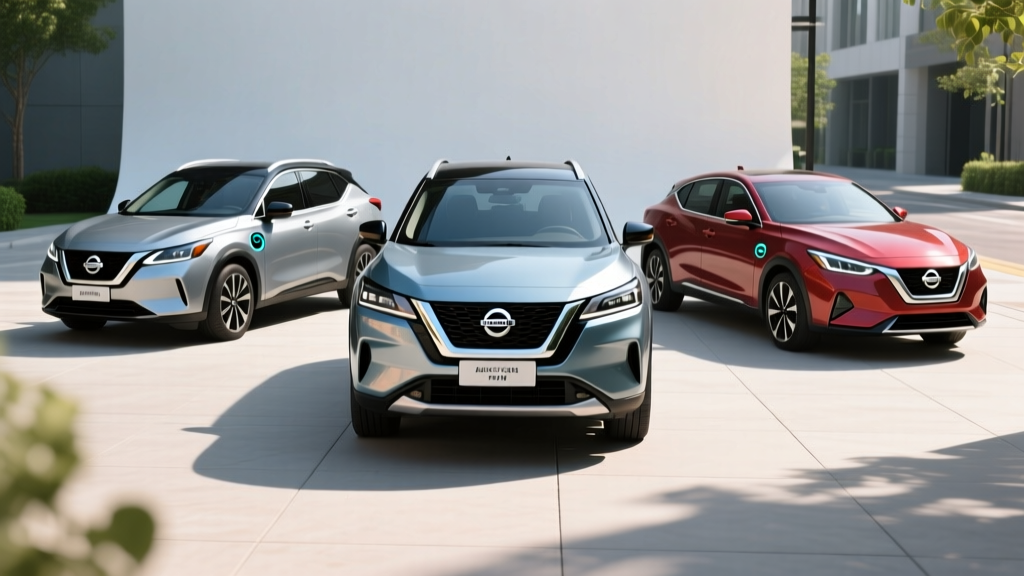
The 2026 Nissan Rogue plug-in hybrid (PHEV) represents a strategic middle ground for buyers who want electric commuting without range anxiety. Based on current Nissan product planning and the existing Rogue platform architecture, this PHEV variant aims to bridge the gap between the conventional Rogue hybrid and full battery-electric vehicles like the Nissan Ariya.
| Specification | Value |
|---|---|
| Powertrain | 1.5L VC-Turbo 3-cylinder + electric motor |
| Combined Horsepower | ~240 hp (estimated) |
| Battery Capacity | ~18 kWh (estimated) |
| Electric-Only Range | ~35-40 miles (estimated) |
| Total Range | ~450+ miles |
| Charging Time (Level 2) | ~2.5 hours |
| DC Fast Charging | Not available |
| EPA Fuel Economy (hybrid mode) | ~35-38 MPG combined (estimated) |
| Base MSRP | ~$38,000-$42,000 (estimated) |
Understanding HEV vs PHEV: Key Differences
Before diving into the Rogue PHEV specifics, it's critical to understand the distinction between conventional hybrids (HEV) and plug-in hybrids (PHEV):
Conventional Hybrid (HEV)
- Small battery (1-2 kWh) charged by regenerative braking and engine
- No plug-in charging required
- Electric motor assists engine but cannot drive vehicle alone for extended distances
- Typical efficiency: 35-45 MPG combined
Plug-In Hybrid (PHEV)
- Larger battery (15-20+ kWh) that can be plugged in to charge
- Can drive 25-40+ miles on electricity alone before engine engages
- After electric range depleted, operates like conventional hybrid
- Best for drivers with predictable daily commutes under 40 miles
The 2026 Nissan Rogue PHEV falls squarely in the plug-in category, offering substantial electric-only range for daily driving while retaining a gasoline engine for longer trips.
Electric Range and Fuel Economy Breakdown
| Driving Mode | Estimated Efficiency |
|---|---|
| Electric-Only Range | 35-40 miles |
| Hybrid Mode (after battery depleted) | 35-38 MPG combined |
| City Driving (hybrid mode) | 37-40 MPG |
| Highway Driving (hybrid mode) | 33-36 MPG |
| MPGe (electric + gas combined) | ~85-95 MPGe (estimated) |
Real-World Expectations
Based on similar PHEV systems in the market and Nissan's e-Power technology evolution, expect the following real-world performance:
- Electric range in summer: 38-42 miles (optimal battery temperature)
- Electric range in winter: 28-32 miles (cold weather reduces battery efficiency by 20-25%)
- Highway hybrid MPG: Expect 32-35 MPG at 70+ mph (aerodynamic drag reduces efficiency)
- City hybrid MPG: 38-42 MPG (regenerative braking recaptures energy in stop-and-go traffic)
Real-world PHEV efficiency heavily depends on charging habits. Owners who charge daily and drive under 40 miles may use minimal gasoline, while those who rarely charge will see conventional hybrid MPG figures.
Charging Requirements and Infrastructure
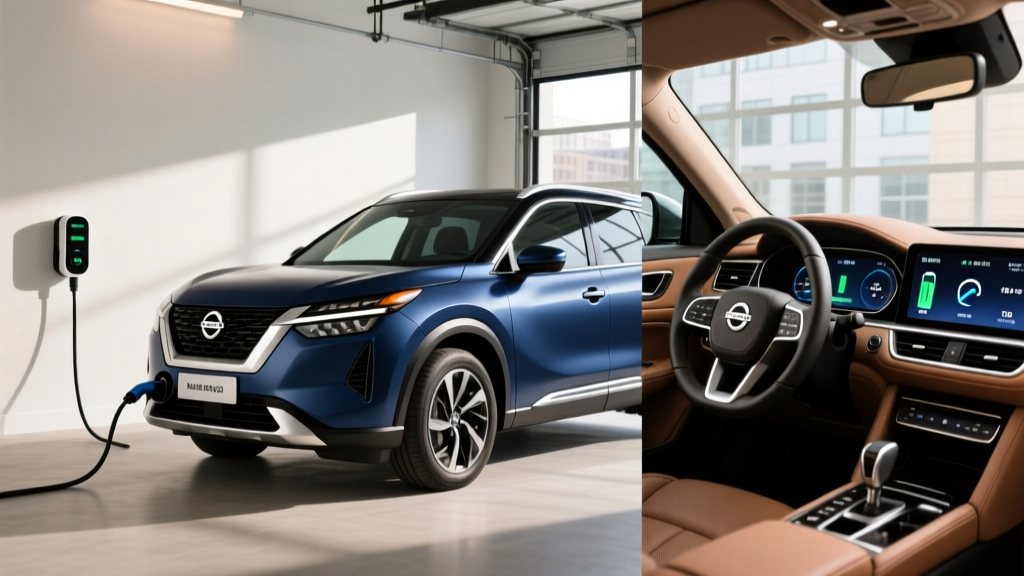
The 2026 Rogue PHEV will require Level 2 charging infrastructure for practical daily use:
- Level 1 (120V household outlet): ~8-10 hours for full charge — impractical for daily use
- Level 2 (240V home charger): ~2.5 hours for full charge — ideal for overnight charging
- DC Fast Charging: Not available on PHEV systems (battery too small to justify cost/complexity)
For optimal ownership, plan on installing a Level 2 home charger. Installation costs typically range from $500-$2,000 depending on electrical panel capacity and distance from panel to charging location. A licensed electrician should evaluate your home's 240V capacity before purchase.
Powertrain Performance and Driving Dynamics
The 2026 Rogue PHEV pairs Nissan's variable-compression 1.5L turbocharged 3-cylinder engine with a high-output electric motor integrated into the transmission. Expected performance figures:
- Combined system output: ~240 horsepower
- Electric motor output: ~130-150 hp
- Gasoline engine output: ~150-170 hp
- 0-60 mph acceleration: ~7.0-7.5 seconds (estimated)
- Drivetrain: Available in FWD or AWD configurations
The electric motor provides instant torque from standstill, delivering responsive acceleration in city driving. Once the battery depletes, the system seamlessly transitions to hybrid mode with no driver intervention required.
Battery Warranty and Longevity
Nissan Hybrid Battery Warranty Coverage
- Hybrid battery warranty: 8 years / 100,000 miles (whichever comes first)
- Capacity retention threshold: Battery replacement covered if capacity drops below 70% of original
- Powertrain warranty: 5 years / 60,000 miles
- Estimated battery replacement cost (out of warranty): $4,000-$6,000
Nissan's hybrid battery warranty aligns with industry standards established by Toyota, Honda, and other manufacturers. The 8-year/100,000-mile coverage provides substantial protection against premature degradation.
Battery Degradation Expectations
Modern lithium-ion PHEV batteries typically retain 85-90% capacity after 100,000 miles when properly maintained. Factors affecting longevity:
- Charging habits: Avoiding frequent 100% charges extends battery life
- Temperature management: Extreme heat accelerates degradation more than cold
- Depth of discharge: Shallow cycles (20-80% SoC) are gentler than deep cycles
Real-world data from existing Nissan PHEV owners suggests batteries maintain usable capacity well beyond warranty periods, with many vehicles reaching 150,000+ miles without battery replacement.
Tax Credit Eligibility and Pricing
Under current IRS §30D tax credit rules, the 2026 Nissan Rogue PHEV may qualify for partial federal incentives, but eligibility depends on multiple factors:
Federal Tax Credit Requirements (2026)
- Battery capacity: Must be 7+ kWh (Rogue PHEV qualifies)
- MSRP cap: SUVs must be under $80,000 (Rogue PHEV qualifies)
- Income limits: $150,000 single / $300,000 joint filers
- Battery sourcing: Critical minerals and battery components must meet North American sourcing requirements (varies by model year)
- Credit amount: Up to $7,500, but actual amount depends on battery sourcing compliance
Consult a tax professional to verify eligibility, as battery sourcing requirements change annually and vary by specific vehicle configuration.
Estimated Pricing Structure
- Base model (S trim): ~$38,000-$40,000
- Mid-level (SV trim): ~$40,000-$42,000
- Premium (SL trim): ~$42,000-$45,000
- After potential tax credit: $30,500-$37,500 (depending on eligibility)
Who Should Choose the Rogue PHEV?
Ideal For:
- Daily commuters driving 20-40 miles round trip
- Homeowners with garage/driveway for Level 2 charger installation
- Drivers who take occasional long road trips (300+ miles)
- Those who want EV-like daily driving without range anxiety
- Families needing SUV cargo space and passenger room
Consider Alternatives If:
- You drive more than 50 miles daily (full EV may be better)
- You lack home charging access (PHEV benefits require regular charging)
- You want zero-emission driving (PHEV still uses gasoline on long trips)
- You prioritize lowest possible fuel costs (full EV is cheaper per mile)
- You live in an apartment without charging infrastructure
Hybrid vs PHEV vs Full EV: Decision Framework
Choose Conventional Hybrid (HEV) If:
- You cannot install home charging infrastructure
- You want improved MPG without changing driving habits
- You drive unpredictable distances daily
- You want lowest upfront cost among electrified options
Choose Plug-In Hybrid (PHEV) If:
- You have predictable daily driving under 40 miles
- You can install Level 2 home charging
- You occasionally drive 300+ miles and don't want to plan charging stops
- You want to experience EV driving while maintaining gas-engine flexibility
Choose Full EV If:
- You drive more than 40 miles daily
- You want zero tailpipe emissions
- You have reliable home and/or workplace charging
- You want lowest per-mile fuel cost (electricity vs gasoline)
- You qualify for full $7,500 federal tax credit
Frequently Asked Questions
How many MPG does the 2026 Nissan Rogue PHEV get?
In hybrid mode (after electric range is depleted), expect 35-38 MPG combined, with city driving achieving 37-40 MPG and highway driving 33-36 MPG. These are estimates based on similar PHEV systems.
How far can the Rogue PHEV drive on electric only?
Estimated electric-only range is 35-40 miles in optimal conditions. Real-world range varies: expect 38-42 miles in warm weather, 28-32 miles in cold weather due to battery efficiency reduction.
Does the Rogue PHEV qualify for tax credits?
It may qualify for up to $7,500 federal tax credit under IRS §30D rules, but eligibility depends on your income, the vehicle's battery sourcing compliance, and MSRP caps. Consult a tax professional for your specific situation.
Is the hybrid battery reliable and what does replacement cost?
Nissan covers the hybrid battery for 8 years/100,000 miles. Modern PHEV batteries typically retain 85-90% capacity after 100,000 miles. Out-of-warranty replacement costs $4,000-$6,000, though many batteries last 150,000+ miles.
Do I need to install a home charger?
For practical daily use, yes. Level 1 (120V) charging takes 8-10 hours, making it impractical. Level 2 (240V) charging takes ~2.5 hours and is ideal for overnight charging. Installation costs $500-$2,000 depending on your home's electrical setup.
What's the difference between the Rogue hybrid and Rogue PHEV?
The conventional Rogue hybrid (HEV) has a small battery charged by the engine and regenerative braking — no plug-in required. The Rogue PHEV has a larger battery you plug in to charge, offering 35-40 miles of electric-only driving before operating as a hybrid.
Bottom Line: Is the 2026 Rogue PHEV Right for You?
The 2026 Nissan Rogue plug-in hybrid targets a specific buyer: someone with a predictable daily commute under 40 miles, home charging capability, and occasional long-distance driving needs. For this demographic, it offers the best of both worlds — electric efficiency for daily driving and gasoline flexibility for road trips.
However, if you drive more than 50 miles daily, lack home charging access, or prioritize zero emissions, consider a full EV like the Nissan Ariya or competing electric SUVs. And if you want improved efficiency without changing your charging habits, the conventional Rogue hybrid may be more practical.
As with any PHEV purchase, success depends on charging discipline. Owners who charge daily will maximize electric driving and minimize fuel costs. Those who rarely charge will see conventional hybrid efficiency with higher upfront costs.