Introduction: Mazda’s Electrified Upmarket Push
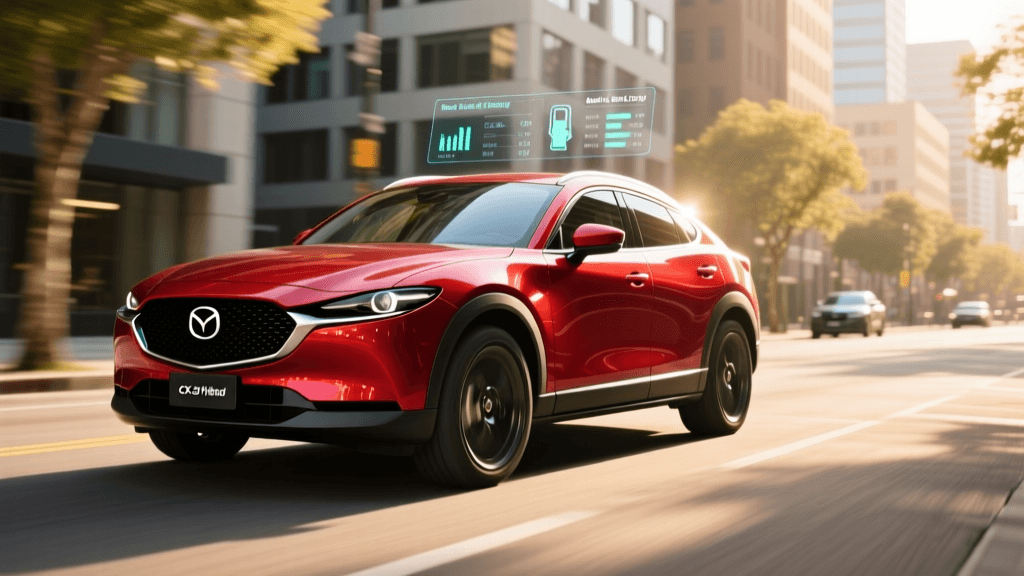
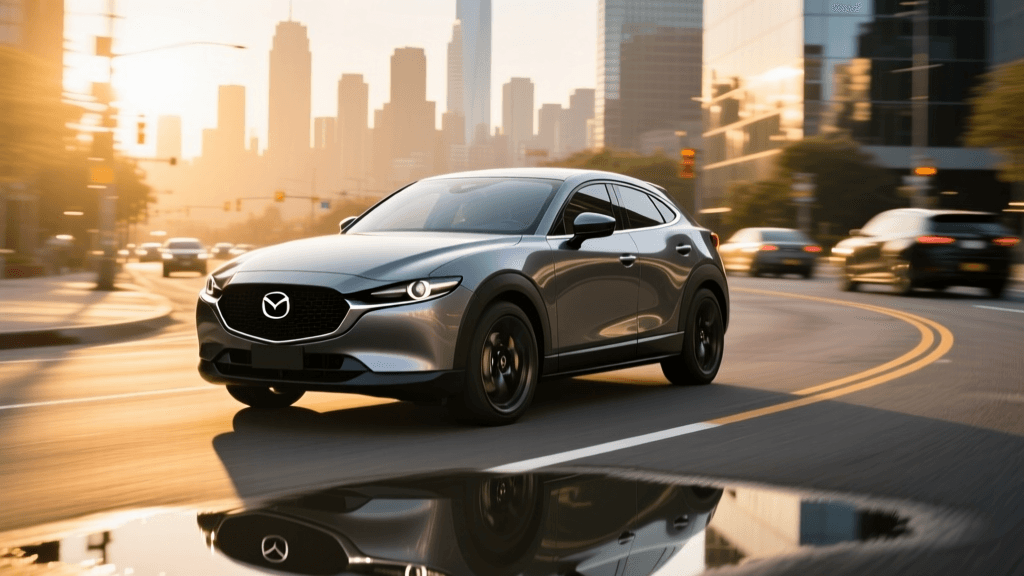
The Mazda CX-70 represents a fascinating pivot for the brand, slotting perfectly between the compact CX-50 and the three-row CX-90. As a two-row midsize SUV, it targets buyers who want premium styling, engaging driving dynamics, and ample cargo space without the bulk of a third row. However, the most intriguing variant in the lineup is the Mazda CX-70 PHEV. By pairing a traditional internal combustion engine with a robust electric motor and a sizable battery pack, Mazda aims to deliver the best of both worlds: silent, emissions-free daily commuting and the limitless range of a gas-powered vehicle for weekend road trips.
In this data-driven review, we move beyond the brochure specs to analyze the real-world performance, electric-only range, fuel economy, and total cost of ownership (TCO) of the CX-70 PHEV. Whether you are cross-shopping against the Jeep Grand Cherokee 4xe or the Hyundai Santa Fe PHEV, the hard data reveals exactly where Mazda's plug-in hybrid excels and where it falls short.
Powertrain and Performance Metrics
Unlike the mild-hybrid versions of the CX-70 that utilize a 3.3-liter inline-six engine, the PHEV variant relies on a specially tuned 2.5-liter inline-four cylinder engine paired with a 173-horsepower electric motor integrated into an 8-speed automatic transmission. Crucially, Mazda has avoided the rubber-band feel of a continuously variable transmission (CVT) that plagues many rival hybrids. The result is a combined system output of 327 horsepower and 369 lb-ft of torque.
According to instrumented testing data compiled by Car and Driver, the CX-70 PHEV sprints from 0 to 60 mph in approximately 6.3 seconds. While it is slightly heavier than its gas-only counterparts due to the battery pack, the instant torque delivery from the electric motor masks the extra weight during city driving and highway merging. Furthermore, the PHEV maintains a respectable 3,500-pound towing capacity, making it a viable option for light boat or camper trailers, provided you account for the severe reduction in electric range while towing.
Battery Capacity and Real-World Electric Range
The heart of the CX-70 PHEV's efficiency is its 17.8-kWh lithium-ion battery pack. The EPA officially rates this setup for 26 miles of pure electric range. However, real-world data tells a more nuanced story. In mixed suburban driving at speeds under 45 mph, drivers can reliably extract 24 to 28 miles before the 2.5-liter engine seamlessly wakes up. Conversely, sustained highway driving at 70 mph in colder weather can drop that figure closer to 18 or 20 miles.
As noted by the Alternative Fuels Data Center, PHEV battery performance is highly sensitive to ambient temperatures and cabin climate control usage. The CX-70 PHEV utilizes a dedicated thermal management system, but utilizing the electric cabin heater in freezing weather will draw heavily from the 17.8-kWh pack, reducing your zero-emission footprint. For the vast majority of commuters with a sub-20-mile round trip, this battery size is perfectly calibrated to cover daily errands without burning a drop of gasoline.
Fuel Economy: MPGe and Gas-Only Efficiency
When operating as a traditional hybrid after the battery is depleted, the CX-70 PHEV achieves an EPA-estimated 25 MPG combined (24 city / 27 highway). While 25 MPG is respectable for a 4,800-pound luxury-leaning SUV, it lags behind smaller, more aerodynamic crossover PHEVs. The combined MPGe (miles per gallon equivalent) rating sits at 56 MPGe when factoring in electricity usage, which is competitive but not class-leading.
It is vital for prospective buyers to understand that highway road trips will yield fuel economy numbers closer to 24 MPG. The boxy, upright styling of the CX-70 creates significant aerodynamic drag at higher speeds, and the inline-four engine must work harder to push the heavy vehicle through the air compared to the turbocharged inline-six found in the mild-hybrid models.
Data Table: CX-70 PHEV vs. Midsize Rivals
To provide context, we have compiled a data table comparing the Mazda CX-70 PHEV against two of its most prominent plug-in hybrid competitors in the midsize and crossover segments.
| Feature | Mazda CX-70 PHEV | Jeep Grand Cherokee 4xe | Hyundai Santa Fe PHEV |
|---|---|---|---|
| Powertrain | 2.5L I4 + EV Motor | 2.0L Turbo I4 + 2 EV Motors | 1.6L Turbo I4 + EV Motor |
| Total Horsepower | 327 hp | 375 hp | 261 hp |
| Total Torque | 369 lb-ft | 470 lb-ft | 258 lb-ft |
| EPA EV Range | 26 miles | 26 miles | 30 miles |
| Battery Capacity | 17.8 kWh | 17.3 kWh | 13.8 kWh |
| Gas-Only MPG (Combined) | 25 MPG | 23 MPG | 33 MPG |
| Max Towing Capacity | 3,500 lbs | 6,000 lbs | 2,000 lbs |
Note: Data reflects EPA estimates and manufacturer specifications for the most recent model year.
Charging Infrastructure and Speed
Charging logistics are a critical component of PHEV ownership. The CX-70 PHEV comes equipped with a 7.2-kW onboard charger. When plugged into a Level 2 (240-volt) home charging station, the 17.8-kWh battery can be replenished from empty to full in approximately 2.5 hours. This is a crucial data point for daily users: even if you deplete the battery on your morning commute, a midday top-up at a workplace charger or a quick session while running errands can restore your electric range for the drive home.
However, it is important to note that the CX-70 PHEV does not support DC Fast Charging. As highlighted by the U.S. Department of Energy, while DC fast charging is standard on fully electric vehicles (BEVs), most PHEVs omit it due to the smaller battery sizes and cost-saving measures. For the CX-70, this means you are strictly limited to Level 1 (120V) or Level 2 (240V) AC charging, which is perfectly adequate for home use but requires planning if you hope to charge on public networks during road trips.
Total Cost of Ownership (TCO) Analysis
Let us break down the real-world economics of the CX-70 PHEV versus a comparable gas-only midsize SUV averaging 22 MPG. We will assume a daily commute of 30 miles, a national average electricity rate of $0.16 per kWh, and a gas price of $3.50 per gallon.
- Daily Commute (CX-70 PHEV): 26 miles on electricity + 4 miles on gas.
- Electricity Cost: Replenishing ~15 kWh for the 26-mile EV range costs roughly $2.40.
- Gasoline Cost: 4 miles at 25 MPG consumes 0.16 gallons, costing $0.56.
- Total Daily Commute Cost: $2.96.
Compare this to a gas-only competitor getting 22 MPG:
- Daily Commute (Gas SUV): 30 miles at 22 MPG consumes 1.36 gallons.
- Total Daily Commute Cost: $4.76.
Over a standard 250-day working year, the CX-70 PHEV saves the owner approximately $450 in pure commuting fuel costs. While the PHEV carries a higher initial MSRP premium over the gas-only CX-70 mild-hybrid models, federal tax incentives (if applicable based on your tax liability and the vehicle's battery component sourcing) and state-level rebates can significantly offset the upfront price difference.
Driving Dynamics and Interior Packaging
Mazda has built its modern reputation on driving dynamics, and the CX-70 PHEV largely preserves this ethos despite the added mass of the battery. The battery pack is mounted low in the chassis, which helps maintain a favorable center of gravity. The steering is communicative, and the 8-speed transmission delivers crisp, predictable shifts that make the SUV feel surprisingly agile on winding backroads.
Interior packaging is where the PHEV makes zero compromises. Unlike some older hybrid conversions that ate into cargo space, the CX-70's platform was designed from the ground up to accommodate electrification. You get the same generous 39.6 cubic feet of cargo space behind the second row as the mild-hybrid models. The cabin materials, featuring available Nappa leather and real wood trim, punch well above the Mazda badge, rivaling entry-level offerings from BMW and Mercedes-Benz.
Final Verdict
The Mazda CX-70 PHEV is a masterclass in compromise-free electrification for the midsize SUV segment. It does not offer the longest electric range, nor is it the most fuel-efficient on long highway road trips. However, it delivers a premium, engaging driving experience that its rivals simply cannot match.
If your daily driving routine falls under 25 miles and you have access to Level 2 home charging, the CX-70 PHEV will operate as a silent, smooth EV for 90% of your driving. When you need to tow a small trailer or embark on a cross-country journey, the robust 2.5-liter powertrain and 8-speed automatic ensure you are never tethered to a charging station. For buyers seeking luxury, practicality, and a data-backed reduction in daily running costs, the CX-70 PHEV stands out as one of the most compelling plug-in hybrids on the market today.