The Luxury PHEV SUV Heavyweight Bout
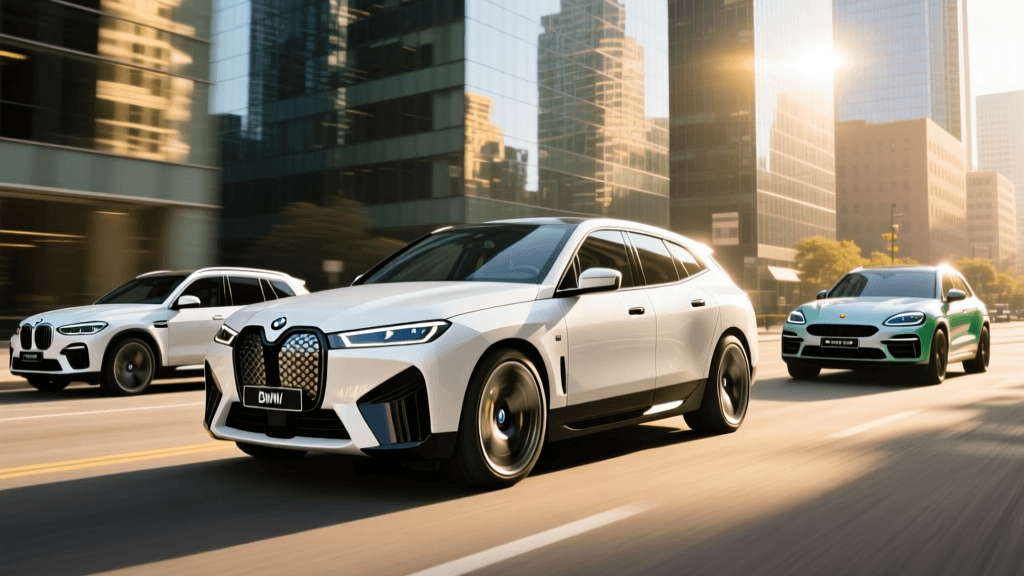
The midsize luxury SUV segment is fiercely competitive, but the plug-in hybrid electric vehicle (PHEV) variants represent the pinnacle of daily usability and weekend versatility. Buyers no longer want to choose between the silent, torque-rich acceleration of an electric motor and the limitless range of a combustion engine. Today, we are putting two of the most prominent German heavyweights in the ring: the newly updated BMW X5 xDrive50e and the refreshed Porsche Cayenne E-Hybrid. Both promise to deliver exceptional luxury, cutting-edge technology, and the ability to complete the average American's daily commute without burning a single drop of premium fuel. But which one executes the PHEV formula better? In this head-to-head showdown, we will dissect their powertrains, real-world electric range, interior practicality, and total cost of ownership to crown the ultimate luxury PHEV SUV.
Powertrain and Performance Dynamics
Under the hood, the BMW X5 xDrive50e utilizes a masterpiece of modern engineering: a 3.0-liter turbocharged inline-six engine paired with an electric motor seamlessly integrated into the ZF eight-speed automatic transmission. This combination produces a staggering 483 horsepower and 516 lb-ft of torque. The inline-six is renowned for its buttery smoothness, and when combined with instant electric torque, the X5 launches with the authority of a much lighter sports sedan. Porsche, on the other hand, opts for a 3.0-liter turbocharged V6 in the Cayenne E-Hybrid. While the V6 is capable, producing a combined 389 horsepower and 463 lb-ft of torque in its base E-Hybrid guise, it lacks the sheer auditory drama and linear power delivery of BMW's inline-six.
However, Porsche's tuning of the electric motor integration is phenomenal. The transition between electric and gas power is nearly imperceptible, a hallmark of Porsche's engineering prowess. Both vehicles utilize sophisticated all-wheel-drive systems, but the BMW's xDrive system feels slightly more rear-biased in sport modes, giving it a surprisingly playful character for its size and weight.
Battery, Range, and Charging Realities
The true measure of a PHEV is its electric-only capability. According to the U.S. Department of Energy's PHEV guidelines, the average American drives roughly 37 miles per day, making a robust EV range crucial for maximizing fuel savings and minimizing emissions. The BMW X5 xDrive50e packs a substantial 25.7 kWh usable battery (29.5 kWh gross). This translates to an EPA-estimated 38 to 40 miles of pure electric range, depending on wheel size and options. The Porsche Cayenne E-Hybrid features a similarly sized 25.9 kWh battery for its latest generation, but its slightly less aerodynamic profile and heavier curb weight limit its EPA-estimated range to around 32 miles.
While the BMW wins on pure distance, the Porsche strikes back in the charging department. The Cayenne E-Hybrid supports up to 11 kW AC charging, allowing it to replenish its battery in roughly two and a half hours on a robust Level 2 home charger. The BMW is capped at 7.4 kW, meaning a full charge takes closer to four and a half hours. For owners who can charge overnight, this difference is negligible, but for those relying on public Level 2 chargers during midday errands, the Porsche's faster charging speed is a distinct advantage.
Head-to-Head Specifications Table
| Feature | BMW X5 xDrive50e | Porsche Cayenne E-Hybrid |
|---|---|---|
| Combined Horsepower | 483 hp | 389 hp |
| Combined Torque | 516 lb-ft | 463 lb-ft |
| Usable Battery Capacity | 25.7 kWh | 25.9 kWh |
| EPA Electric Range | 38 - 40 miles | ~32 miles |
| Max AC Charging Speed | 7.4 kW | 11.0 kW |
| Cargo Space (Rear Seats Up) | 33.9 cu ft | 27.2 cu ft |
| Starting MSRP (Approx.) | $74,000 | $92,000 |
Driving Modes and Software Management
Both SUVs offer a suite of driving modes designed to maximize efficiency or performance. The BMW features Hybrid, Electric, and Sport modes, alongside a clever 'Hybrid Eco Pro' mode that uses navigation data to manage battery depletion intelligently. If the X5 knows you are approaching a city center or an uphill grade, it will save battery power for those specific scenarios. The Porsche offers similar E-Power, Hybrid Auto, and Sport modes, but its 'E-Hold' and 'E-Charge' functions give the driver more manual override over the battery state. E-Charge forces the gas engine to work harder to recharge the battery while driving on the highway, which is useful if you want to enter a zero-emission zone later in your trip with a full battery. While Porsche's manual controls are excellent, BMW's predictive software feels more seamless and requires less micromanagement from the driver.
Interior Tech and Daily Livability
Stepping inside, the divergence in philosophy becomes apparent. As noted in Car and Driver's comprehensive BMW X5 overview, the X5 prioritizes a blend of traditional luxury and modern digital integration. The BMW Curved Display, running the latest iDrive 8.5 operating system, is visually stunning and highly responsive. Crucially, BMW has retained physical controls for climate and volume, a massive win for ergonomics. The cabin materials, including the standard Sensafin synthetic leather, feel premium and durable. Cargo space is generous, offering 33.9 cubic feet behind the rear seats, though the PHEV battery does eliminate the under-floor storage compartment found in the gas-only models.
The Porsche Cayenne E-Hybrid, highlighted in Car and Driver's Porsche Cayenne hub, takes a more minimalist, driver-focused approach. The new Porsche Communication Management (PCM) system is brilliant, and the available passenger display adds a futuristic touch. However, the Cayenne's reliance on haptic touch controls for secondary functions can be distracting while driving. Cargo capacity is slightly lower at 27.2 cubic feet, making the BMW the more practical choice for families hauling strollers, luggage, or golf bags.
Ride Quality and Handling
Ride quality is where the Porsche traditionally shines, but the BMW has closed the gap significantly. The X5 xDrive50e comes standard with adaptive M suspension, which soaks up highway imperfections with remarkable composure while keeping body roll in check during canyon carving. The Porsche's standard steel suspension with PASM is equally adept, offering a slightly firmer, more communicative ride. If you opt for the Porsche's active roll stabilization, the Cayenne defies physics, cornering with the flatness of a hatchback. However, the BMW's regenerative braking system feels more natural. Porsche's blended brake pedal, while effective, can sometimes feel overly sensitive at low speeds as the system transitions from regenerative to friction braking.
Pricing and Total Cost of Ownership
When evaluating the total cost of ownership, both vehicles command a premium. The BMW X5 xDrive50e starts around $74,000, while the Porsche Cayenne E-Hybrid starts closer to $92,000 before you even look at the extensive options list. Neither vehicle currently qualifies for the full $7,500 federal EV tax credit due to strict battery component sourcing rules, so buyers should plan their budgets accordingly. Maintenance costs will be comparable, though Porsche's premium labor rates and parts pricing will likely make long-term ownership slightly more expensive.
The Final Verdict
Ultimately, the BMW X5 xDrive50e takes the crown in this head-to-head showdown. It offers a superior electric range, a more powerful and refined inline-six powertrain, better cargo practicality, and a significantly lower entry price. The Porsche Cayenne E-Hybrid remains a phenomenal driver's SUV with faster AC charging and unparalleled handling dynamics, but the BMW delivers a more complete, well-rounded package for the daily realities of luxury PHEV ownership. If your priority is carving canyons on the weekend, the Porsche is worth the premium. But for the ultimate daily luxury commuter that maximizes electric efficiency without sacrificing an ounce of practicality, the BMW X5 xDrive50e is the undisputed champion.