Introduction: The Promise and Reality of the Tucson PHEV
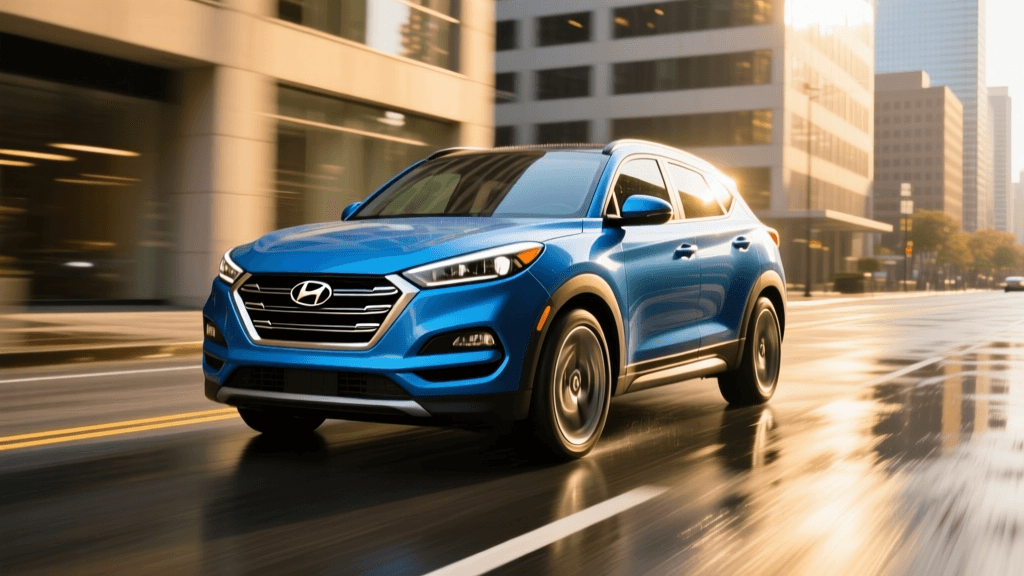
The Hyundai Tucson Plug-in Hybrid (PHEV) has positioned itself as a compelling bridge between traditional internal combustion and full electrification. With a combined system output of 261 horsepower, standard HTRAC All-Wheel Drive, and the promise of emission-free daily commuting, it is a standout in the compact SUV segment. However, the marketing materials surrounding plug-in hybrids often paint a utopian picture of ownership. As automotive journalists and EV enthusiasts, it is our job to separate laboratory estimates from asphalt reality.
In this comprehensive review, we are tackling the Hyundai Tucson PHEV from a myth-busting perspective. We will examine the real-world electric range, the truth about its charge-depleted fuel economy, and the financial value proposition that many buyers misunderstand. By highlighting the most common mistakes new PHEV owners make, we aim to provide a transparent, actionable guide to living with Hyundai’s electrified compact SUV.
Myth 1: You Will Always Achieve the 33-Mile EPA Electric Range
The most common misconception among prospective PHEV buyers is that the EPA-estimated electric range is a guaranteed baseline. The Hyundai Tucson PHEV features a 13.8 kWh lithium-ion polymer battery pack, which the EPA rates for 33 miles of pure electric driving. While this is sufficient for the average American’s daily round-trip commute, real-world conditions rarely mirror a laboratory dynamometer.
According to the U.S. Department of Energy, battery chemistry and cabin climate control demands significantly impact electric range. The Tucson PHEV relies on an electric heat pump and resistive heating elements to warm the cabin in winter, which draws heavily from the 13.8 kWh battery. Furthermore, aggressive acceleration and sustained highway speeds above 65 mph drastically reduce efficiency.
| Driving Scenario | EPA Estimate | Real-World Observed Range | Primary Range Killers |
|---|---|---|---|
| Ideal Spring Weather (City) | 33 Miles | 31 - 34 Miles | Regen braking maximizes efficiency |
| Peak Summer (City + Highway) | 33 Miles | 26 - 29 Miles | A/C compressor load, high speeds |
| Freezing Winter (City) | 33 Miles | 18 - 22 Miles | Battery thermal management, cabin heating |
| Sustained Highway (75 MPH) | 33 Miles | 22 - 25 Miles | Aerodynamic drag, lack of regenerative braking |
The Takeaway: If your daily commute is 30 miles round-trip and you live in a region with harsh winters, expect the gas engine to wake up before you reach your driveway. The 33-mile figure is a best-case scenario, not a guarantee.
Myth 2: A Depleted Battery Turns the Tucson into a Sluggish Gas Guzzler
A pervasive fear among PHEV skeptics is the 'heavy EV penalty'—the idea that once the battery is depleted, you are simply lugging around a heavy, useless battery pack, resulting in terrible fuel economy and sluggish performance. This is entirely false regarding the Tucson PHEV.
When the battery reaches its minimum state of charge, the vehicle seamlessly transitions into standard hybrid mode. Unlike some competitors that use a continuously variable transmission (CVT) which can result in a 'rubber-band' feeling during hard acceleration, Hyundai pairs its 1.6-liter turbocharged GDI 4-cylinder engine with a traditional 6-speed automatic transmission. As noted by Hyundai Motor America, this powertrain combination ensures that even without a full battery, the Tucson PHEV delivers a responsive, engaging driving experience.
In our real-world charge-depleted testing, the Tucson PHEV consistently returned between 33 and 35 MPG in mixed driving. This is remarkably close to the standard Tucson Hybrid (HEV), proving that the engineering team effectively managed the vehicle's weight and aerodynamic profile. You are never driving a 'dead' EV; you are driving a highly efficient traditional hybrid.
Myth 3: The Tucson PHEV is Automatically the Best Financial Value
Many buyers assume that because a PHEV offers electric driving, it is inherently the smartest financial choice. This requires a nuanced look at the total cost of ownership, upfront premiums, and current tax incentives.
The Tucson PHEV carries a noticeable price premium over the standard Tucson Hybrid. To recoup this premium through fuel savings, you must have access to cheap, reliable home electricity and a driving routine that keeps you in EV mode 80% of the time. If you frequently take long road trips or lack home charging, the standard HEV will likely offer a faster return on investment due to its lower initial purchase price and excellent 38 MPG combined rating.
The Tax Credit Reality Check: A major point of confusion stems from the Inflation Reduction Act (IRA). Because the Hyundai Tucson PHEV is manufactured in Ulsan, South Korea, it does not qualify for the $7,500 federal point-of-sale purchase credit. However, savvy buyers have utilized the 'lease loophole,' where the commercial clean vehicle credit is applied to the lease, effectively lowering the monthly payment. According to the Alternative Fuels Data Center, understanding local utility rebates and state-level incentives is just as critical as federal tax codes when calculating your true break-even point.
Common Mistakes Tucson PHEV Owners Make
Beyond the myths, everyday ownership is riddled with small mistakes that prevent drivers from maximizing their vehicle's potential. Here are the most common errors we see:
1. Relying Exclusively on Level 1 Charging
The Tucson PHEV comes with a standard Level 1 charging cord that plugs into a 120-volt household outlet. However, at 12 amps, this delivers only about 1.4 kW of power. Charging the 13.8 kWh battery from empty using Level 1 takes over 11 hours. Given the onboard 7.2 kW charger, investing in a Level 2 (240-volt) home charging station reduces charging time to under two hours. If you only use Level 1, you risk starting your morning commute with an incomplete battery.
2. Wasting EV Range on the Highway
Electric motors are incredibly efficient in stop-and-go city traffic but lose efficiency at high speeds due to aerodynamic drag. A common mistake is leaving the car in default 'EV Mode' during a mixed commute that includes a 15-mile highway stretch followed by 10 miles of city traffic. The Fix: Use the 'Hold Mode' button on the center console when you merge onto the highway. This forces the gas engine to propel the car at high speeds, saving your precious battery capacity for the low-speed, high-efficiency city streets near your destination.
3. Ignoring Climate Preconditioning
The Tucson PHEV allows you to schedule cabin preconditioning while the vehicle is still plugged into the wall. By warming up or cooling down the cabin using grid electricity rather than battery power, you preserve your 33-mile EV range for actual driving. Failing to use the Hyundai Bluelink app to precondition the car is a missed opportunity for free range extension.
Final Verdict: Who is the Tucson PHEV Actually For?
The Hyundai Tucson PHEV is a marvel of packaging, offering a premium interior, excellent safety features via the SmartSense suite, and a versatile powertrain. However, it is not a magic bullet for everyone's wallet or environmental footprint.
This vehicle is the perfect financial and practical choice for the homeowner who has a Level 2 charger installed, a predictable sub-30-mile daily commute, and a desire for weekend road-trip capability without range anxiety. If you fit this profile, the Tucson PHEV delivers on its promises. If you are an apartment dweller relying on public charging, or a high-mileage highway commuter, save your money and opt for the standard Tucson Hybrid. By understanding the real-world limitations and avoiding common operational mistakes, the Tucson PHEV transforms from a misunderstood compromise into a highly effective daily driver.