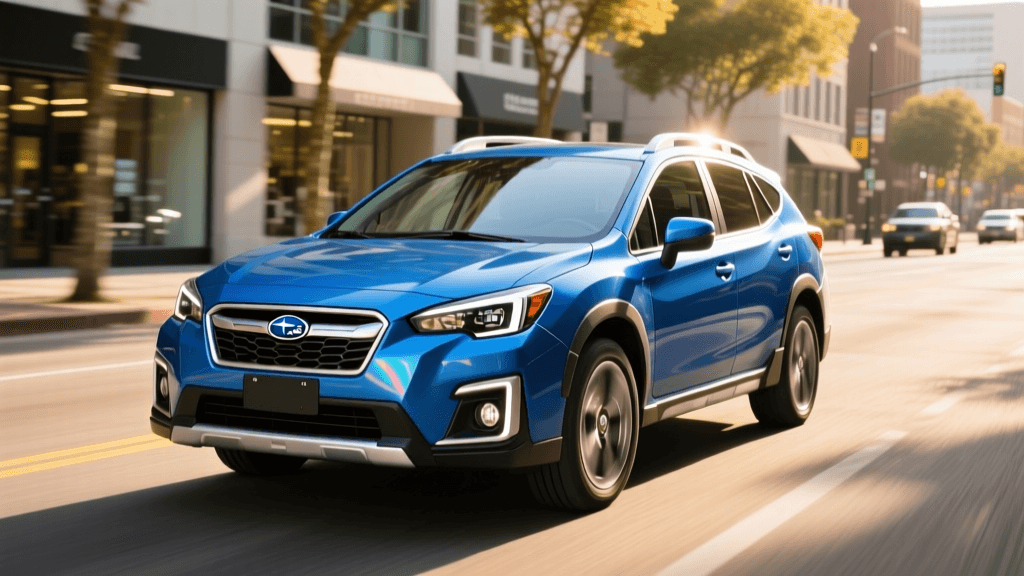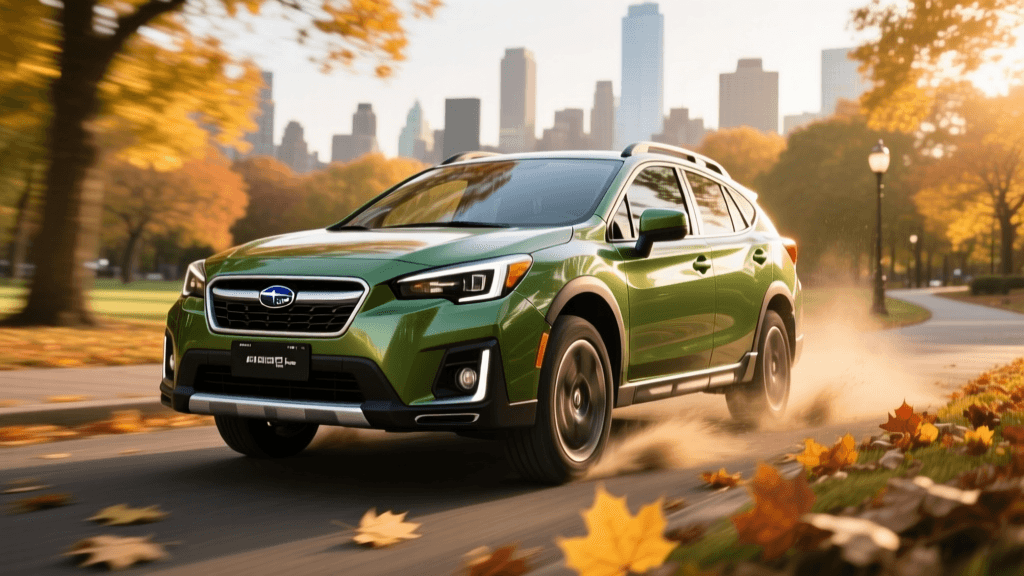
The Subaru Crosstrek PHEV: A Unique Proposition in the Used Market
When Subaru introduced the Crosstrek Plug-In Hybrid (PHEV) for the 2019 model year, it aimed to bridge the gap between rugged, off-road capability and daily electric commuting. Discontinued after the 2023 model year due to shifting emissions regulations and the brand's pivot toward future dedicated EV platforms, the Crosstrek PHEV now exists exclusively in the used and certified pre-owned markets. For budget-conscious buyers seeking an all-wheel-drive hybrid with a plug, this vehicle presents a fascinating financial case study. In this comprehensive cost and value breakdown, we will analyze the real-world ownership experience, electric range utility, and the total cost of ownership (TCO) to determine if the Crosstrek PHEV is a smart financial move today.
Real-World Electric Range and Fuel Economy
The heart of the Crosstrek PHEV’s value proposition lies in its Toyota-sourced hybrid powertrain, which Subaru adapted to work with its legendary Symmetrical All-Wheel Drive system. The EPA rates the vehicle at 17 miles of electric-only range and a combined 35 MPG when operating as a standard hybrid. While 17 miles may seem modest compared to newer PHEVs offering 30 to 40 miles, it perfectly aligns with the daily errand-running and short-commute needs of many rural and suburban drivers.
In real-world testing, owners frequently report achieving 15 to 19 miles of electric range depending on ambient temperatures and use of the climate control system. The 2.0-liter BOXER engine seamlessly integrates with the electric motors, providing a combined 148 horsepower. According to testing by Car and Driver, the Crosstrek PHEV delivers a smooth, albeit not exceptionally fast, driving experience, with the CVT transmission doing a respectable job of managing power delivery without excessive droning. Once the battery is depleted, the vehicle operates as a conventional hybrid, achieving roughly 33 to 35 MPG in mixed driving conditions—a noticeable improvement over the gas-only Crosstrek’s 29 MPG combined.
Total Cost of Ownership (TCO) Breakdown
To truly understand the value of the Crosstrek PHEV, we must look beyond the sticker price and evaluate the five-year total cost of ownership. Below is a comparative breakdown between a gas-only 2022 Subaru Crosstrek Premium and a 2022 Crosstrek PHEV, assuming 15,000 miles driven annually (10,000 city / 5,000 highway), electricity at $0.16/kWh, and gasoline at $3.50/gallon.
| Cost Category (5-Year / 75k Miles) | Gas-Only Crosstrek (2022) | Crosstrek PHEV (2022) |
|---|---|---|
| Average Used Purchase Price | $23,500 | $28,000 |
| Estimated Fuel / Energy Cost | $8,450 | $5,900 |
| Maintenance & Repairs | $3,200 | $3,400 |
| Insurance Premiums | $7,500 | $7,800 |
| Depreciation (Estimated) | $9,000 | $10,500 |
| Total Estimated 5-Year Cost | $51,650 | $55,600 |
As the table illustrates, the PHEV commands a premium on the used market and suffers slightly higher depreciation and insurance costs. However, the fuel savings are substantial. If you can charge at home overnight and keep your daily driving under 20 miles, your liquid fuel consumption drops dramatically. Furthermore, the U.S. Department of Energy notes that eligible buyers purchasing a used PHEV from a licensed dealer may qualify for the Used Clean Vehicle Credit (IRC 25E), which can provide a tax credit of up to $4,000. This single incentive can instantly erase the purchase price premium over the gas-only model, flipping the TCO entirely in the PHEV's favor.
Charging Logistics and Battery Longevity
One of the most common concerns for used PHEV buyers is battery degradation and charging infrastructure. The Crosstrek PHEV features an 8.8 kWh lithium-ion battery pack. Because it is a relatively small battery compared to full EVs, it charges rapidly. Using a standard 120-volt household outlet (Level 1), the battery will fully recharge in about 5 hours. This makes the Crosstrek PHEV incredibly friendly for apartment dwellers or those who park on the street, as a simple heavy-duty extension cord to a standard exterior outlet is often sufficient for overnight top-ups.
If you install a Level 2 (240-volt) home charger, the battery replenishes in roughly 2.5 hours. According to data compiled by Edmunds and owner forums, Subaru’s battery management system is conservative, meaning it buffers the top and bottom of the battery capacity to prevent deep discharging and overcharging. As a result, battery degradation in the 2019-2023 models has been minimal, with most owners reporting a loss of only 1 to 2 miles of maximum electric range after 50,000 miles of use. Subaru’s hybrid battery warranty of 8 years/100,000 miles also provides peace of mind for second-hand buyers.
Ownership Experience: Practicality and Compromises
Evaluating the cost of ownership also requires factoring in the vehicle's daily livability and utility. The Crosstrek PHEV retains the 8.7 inches of ground clearance and the highly effective X-Mode traction management system found on its gas-powered sibling. This means you do not sacrifice any off-road capability, snow performance, or ruggedness by opting for the hybrid.
However, packaging the battery pack did require compromises. The most notable intrusion is in the cargo area. The battery sits beneath the rear floor, raising the load floor by a few inches and reducing maximum cargo volume from 55.3 cubic feet in the gas model to 43.1 cubic feet in the PHEV. Additionally, the spare tire is deleted in favor of a tire inflator kit to save weight and space. For outdoor enthusiasts who regularly haul camping gear or mountain bikes, this cargo reduction is a tangible cost that must be weighed against the fuel savings.
Inside the cabin, the infotainment system features dedicated hybrid energy flow screens, allowing drivers to gamify their efficiency and monitor exactly when the vehicle switches between electric and gas power. The inclusion of heated seats, a heated steering wheel, and LED headlights on most PHEV trims adds to the premium feel, offsetting the slightly cramped rear battery packaging.
Final Verdict: Is the Crosstrek PHEV Worth the Premium?
The Subaru Crosstrek PHEV is a niche vehicle that excels in a very specific scenario. If you live in a region with harsh winters, require all-wheel drive, have access to standard 120-volt charging at home, and commute less than 20 miles a day, this vehicle is an absolute steal on the used market—especially if you qualify for the $4,000 federal used EV tax credit.
From a strict cost and value perspective, the fuel savings and potential tax incentives easily bridge the gap between the gas-only model and the PHEV. While you do sacrifice some cargo space and a spare tire, the retention of Subaru’s legendary AWD system and the reliability of the Toyota-derived hybrid powertrain make the Crosstrek PHEV a financially sound and highly capable choice for the pragmatic, eco-conscious adventurer.