Quick Verdict: A Proven Family Hybrid That Still Delivers
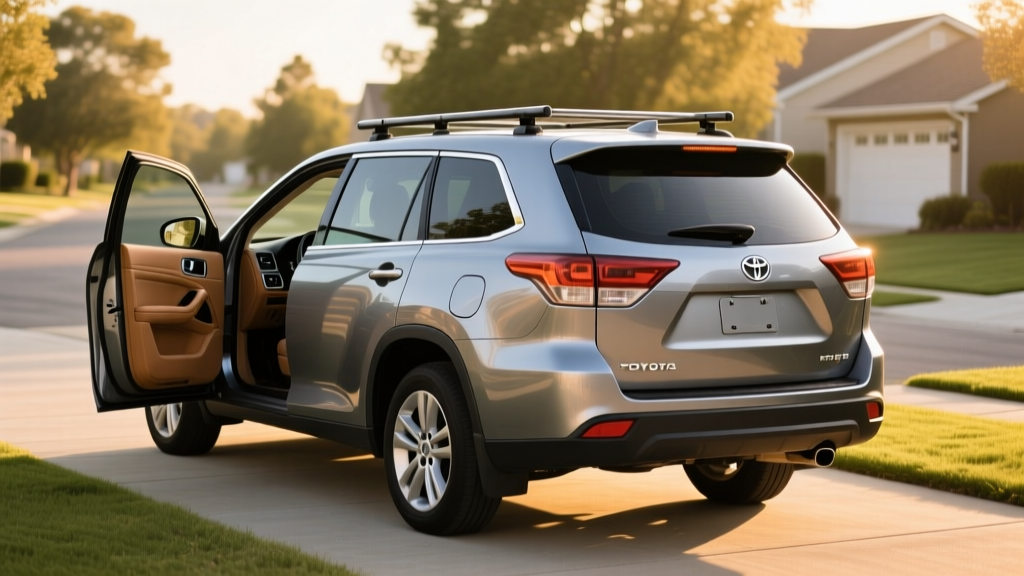
The 2015 Toyota Highlander Hybrid remains one of the most dependable three-row hybrid SUVs on the used market. With an EPA-estimated 28 MPG combined, standard all-wheel drive, and Toyota's proven hybrid synergy drive system, it offers a compelling ownership proposition for families who want lower fuel bills without the range anxiety of a full EV or the charging infrastructure requirements of a plug-in hybrid. In 2026, well-maintained examples continue to command strong resale values — a testament to the powertrain's longevity.
Before we get into the numbers, let's establish something critical: the 2015 Highlander Hybrid is a conventional hybrid electric vehicle (HEV), not a plug-in hybrid (PHEV). It charges its own battery through regenerative braking and the gasoline engine. You never plug it in. If you're looking for electric-only driving range, you'll want to look at Toyota's RAV4 Prime or the newer Highlander's competitors that offer PHEV variants.
HEV vs PHEV: Where the 2015 Highlander Hybrid Fits
Conventional Hybrid (HEV) — 2015 Highlander Hybrid
- No plug required. The battery recharges via regenerative braking and the gas engine.
- No electric-only range to speak of. The electric motor assists the engine at low speeds, but you cannot drive meaningful distances on electricity alone.
- Battery size: ~1.9 kWh nickel-metal hydride (NiMH) — small by design.
- Fuel economy benefit: 28 MPG combined vs. the gas-only 2015 Highlander's 21 MPG combined.
- No federal tax credit eligibility for used or new purchase in 2026.
Plug-In Hybrid (PHEV) — Not Available for 2015 Highlander
- Requires plug-in charging (Level 1 or Level 2) to unlock electric-only range.
- Typically 20-40 miles of electric-only driving before the gas engine engages.
- Larger battery: 13-18 kWh lithium-ion, adding weight and cost.
- May qualify for used-EV tax credit (§25E) up to $4,000 if purchased from a dealer and meeting income/price caps.
The 2015 Highlander Hybrid was never offered as a PHEV. Toyota did not introduce a plug-in variant of the Highlander until later model years in select markets. If plug-in capability is a priority, consider the RAV4 Prime or look at competitors like the Chrysler Pacifica Hybrid or Mitsubishi Outlander PHEV from similar model years.
Fuel Economy: EPA Ratings vs. Real-World MPG
| Metric | EPA Estimate | Real-World Expectation |
|---|---|---|
| City MPG | 27 MPG | 28–31 MPG (hybrids excel in stop-and-go) |
| Highway MPG | 28 MPG | 25–27 MPG (hybrid advantage shrinks at sustained speed) |
| Combined MPG | 28 MPG | 26–29 MPG depending on driving mix |
| Fuel Tank Capacity | 17.2 gallons | ~450–480 miles total range |
Source: fueleconomy.gov — 2015 Toyota Highlander Hybrid
Like most Toyota hybrids, the 2015 Highlander Hybrid tends to exceed its EPA city rating in real-world urban driving. The hybrid system recovers energy during braking and low-speed operation, where conventional engines are least efficient. On the highway, the advantage narrows because the electric motor provides less benefit at sustained high speeds. Expect roughly 26–27 MPG on long road trips and 29–31 MPG in city commuting — a pattern consistent across owner reports on Fuelly and Edmunds.
Cold weather reduces MPG by roughly 5–10% in winter conditions, primarily because the gasoline engine runs more frequently to provide cabin heat and because battery chemistry is less efficient at low temperatures. This is normal hybrid behavior, not a defect.
Powertrain and Performance Specs
| Specification | 2015 Highlander Hybrid |
|---|---|
| Engine | 3.5L V6 Atkinson-cycle |
| Electric Motors | Front + rear (e-AWD) |
| Combined System Horsepower | 280 hp |
| Transmission | eCVT (electronically controlled) |
| Drivetrain | Electronic On-Demand AWD (standard) |
| 0–60 mph | ~7.8 seconds |
| Towing Capacity | 3,500 lbs |
| Battery Chemistry | Nickel-Metal Hydride (NiMH) |
| Battery Capacity | ~1.9 kWh (gross) |
| Seating | 7 passengers (3-row) |
| Cargo (behind 3rd row) | 13.8 cu ft |
The 2015 Highlander Hybrid pairs a 3.5-liter Atkinson-cycle V6 with front and rear electric motors for a combined 280 horsepower. The rear motor provides electronic all-wheel drive without a mechanical driveshaft — a hallmark of Toyota's Hybrid Synergy Drive. The eCVT is not a traditional belt-and-pulley CVT; it uses a planetary gearset that's remarkably durable and has no belts to wear out.
Acceleration is adequate for a 4,800-pound SUV. The 0–60 mph time of approximately 7.8 seconds is competitive with V6 rivals from the same era. The hybrid system's instant electric torque gives it a responsive feel around town, even if it won't win drag races.
Battery Lifespan, Warranty, and Replacement Cost
Hybrid Battery Warranty & Longevity
- Original warranty: 8 years / 100,000 miles (10 years / 150,000 miles in CARB states including CA, NY, MA, and others)
- Warranty coverage: Defects and capacity loss below a defined threshold
- Real-world lifespan: 150,000–200,000+ miles is common with NiMH packs when properly maintained
- Replacement cost (2026): $2,000–$4,000 for a refurbished pack; $4,500–$6,000 for a new OEM pack from Toyota
The 2015 Highlander Hybrid uses a nickel-metal hydride (NiMH) battery, not the lithium-ion chemistry found in modern EVs and PHEVs. NiMH is less energy-dense but has an excellent track record for longevity. Many first-generation Toyota hybrid batteries (Prius, Camry Hybrid) have lasted well beyond 200,000 miles.
That said, a 2015 model is now over a decade old. If you're shopping the used market, battery health should be a priority inspection item. Ask the seller for a hybrid battery health check from a Toyota dealer, which measures individual module voltages and overall state of health. Signs of impending battery failure include:
- Noticeably reduced fuel economy (dropping below 22–23 MPG consistently)
- The battery charge indicator on the dash fluctuating wildly
- The gasoline engine running constantly, even at stops
- A hybrid system warning light on the dashboard
If the battery does need replacement, the aftermarket ecosystem has matured significantly. Refurbished NiMH packs from reputable suppliers like Green Bean Battery or Project Lithium typically cost $2,000–$3,500 installed and come with their own warranties (often 5–8 years). A brand-new OEM battery from Toyota runs $4,500–$6,000 installed. Individual module replacement is also possible for $800–$1,500 if only a few cells have degraded.
Pricing and Tax Credit Eligibility in 2026
The 2015 Highlander Hybrid is no longer in production, so you'll find it exclusively on the used market. Pricing as of early 2026:
| Trim Level | Original MSRP (2015) | Estimated Used Price (2026) |
|---|---|---|
| LE | $47,810 | $16,000–$20,000 |
| XLE | $50,710 | $18,000–$23,000 |
| Limited | $53,310 | $20,000–$26,000 |
Federal tax credit status: The 2015 Highlander Hybrid does not qualify for the §30D new clean vehicle credit (it's used, and it was never a qualifying plug-in vehicle). It also does not qualify for the §25E used clean vehicle credit, which requires the vehicle to be a plug-in electric vehicle (PHEV or BEV) with a battery capacity of at least 7 kWh. The Highlander Hybrid's ~1.9 kWh NiMH battery falls well below this threshold.
Some states may offer incentives for purchasing efficient used vehicles, but these vary widely by jurisdiction. Check your state's energy or environmental agency for current programs.
Who Should Buy the 2015 Highlander Hybrid?
Pros
- Proven, reliable Toyota hybrid powertrain with 280 hp
- 28 MPG combined — 33% better than the gas-only Highlander
- Standard electronic AWD without fuel-economy penalty
- No plug-in charging required — works for apartment dwellers
- Three-row seating for up to 7 passengers
- Strong resale value and parts availability
- eCVT planetary gearset is virtually bulletproof
Cons
- No electric-only driving range (not a PHEV)
- NiMH battery nearing end of expected lifespan on many examples
- Modest cargo space behind the third row (13.8 cu ft)
- Dated infotainment by 2026 standards (no Apple CarPlay/Android Auto)
- No federal tax credit eligibility
- Towing limited to 3,500 lbs
Hybrid vs PHEV vs EV — Which Fits You?
Choose the 2015 Highlander Hybrid (HEV) if: You want a three-row family SUV with lower fuel costs, you lack access to home or workplace charging, and you want a vehicle that works exactly like a conventional car — just fill up with gas and go. It's ideal for families doing 12,000–15,000 miles per year in mixed city/highway driving.
Choose a PHEV (like the RAV4 Prime or Pacifica Hybrid) if: You have reliable Level 2 charging at home or work, your daily commute is under 30–40 miles, and you want to drive mostly on electricity during the week while retaining gas-engine range for road trips. PHEVs require behavioral change (plugging in regularly) to realize their fuel-economy advantage.
Choose a full EV (like the Kia EV9 or Tesla Model X) if: You have home charging, you want zero tailpipe emissions, your daily driving is predictable, and you're willing to plan around DC fast charging on road trips. EVs have lower operating costs but higher upfront prices and require charging infrastructure access.
Reliability and Safety Record
The 2015 Highlander Hybrid benefits from Toyota's reputation for hybrid reliability. The Hybrid Synergy Drive system has been in production since 1997, and by 2015 it was in its third generation with extensive real-world validation. The 3.5L V6 (2GR-FXE) is one of Toyota's most durable engines, with timing chains (not belts) and a well-documented service history.
Key reliability notes from long-term ownership data:
- Hybrid battery: Most NiMH packs last 150,000–200,000+ miles. Failures before 120,000 miles are uncommon unless the vehicle sat unused for extended periods.
- eCVT transmission: The planetary gearset design has no wear components like belts or clutches. Failures are extremely rare.
- Brakes: Regenerative braking significantly reduces pad wear. Many owners report 80,000–100,000 miles on original brake pads.
- Inverter coolant pump: A known wear item on Toyota hybrids. Replacement runs $300–$500 if it fails outside warranty.
For safety, the 2015 Highlander earned a Top Safety Pick+ rating from the Insurance Institute for Highway Safety (IIHS) when equipped with the optional front crash prevention package. It received Good ratings in all crashworthiness categories tested.
Ownership Costs: 5-Year Estimate
Assuming a purchase price of $20,000, 15,000 miles per year, and $3.50/gallon regular unleaded:
| Cost Category | 2015 Highlander Hybrid (28 MPG) | 2015 Highlander Gas (21 MPG) |
|---|---|---|
| Annual Fuel Cost | ~$1,875 | ~$2,500 |
| 5-Year Fuel Cost | ~$9,375 | ~$12,500 |
| Annual Maintenance (avg) | ~$500–$700 | ~$500–$700 |
| Insurance (annual avg) | ~$1,400–$1,800 | ~$1,300–$1,700 |
| 5-Year Fuel Savings vs. Gas | ~$3,125 saved | |
The hybrid's fuel savings of roughly $625 per year add up meaningfully over time. If you drive more than 15,000 miles annually or live in a state with higher fuel prices (California, Hawaii, Washington), the savings increase proportionally. At 20,000 miles per year and $4.50/gallon, the hybrid saves closer to $1,000 annually.
Frequently Asked Questions
How many MPG does the 2015 Highlander Hybrid get?
The EPA rates the 2015 Highlander Hybrid at 27 city / 28 highway / 28 combined MPG. In real-world driving, expect 29–31 MPG in city conditions and 25–27 MPG on the highway. Cold weather reduces these figures by approximately 5–10%.
Can I plug in the 2015 Highlander Hybrid to charge it?
No. The 2015 Highlander Hybrid is a conventional hybrid (HEV), not a plug-in hybrid. It charges its battery internally through regenerative braking and the gasoline engine. There is no charging port and no electric-only driving range.
How long does the hybrid battery last?
Toyota's NiMH hybrid batteries typically last 150,000–200,000 miles or more. The original warranty covered 8 years/100,000 miles (10 years/150,000 miles in CARB states). On a 2015 model, many original batteries are approaching or exceeding their expected lifespan, so a pre-purchase hybrid health check is strongly recommended.
What does a replacement hybrid battery cost?
A refurbished NiMH battery pack costs $2,000–$3,500 installed from an aftermarket supplier. A new OEM battery from Toyota costs $4,500–$6,000 installed. Individual module replacement is possible for $800–$1,500 if only a few cells have degraded.
Does the 2015 Highlander Hybrid qualify for any tax credit?
No. The §30D new clean vehicle credit applies only to new plug-in vehicles. The §25E used clean vehicle credit (up to $4,000) requires a battery capacity of at least 7 kWh and a plug-in capability. The Highlander Hybrid's ~1.9 kWh NiMH battery does not meet either requirement.
Is the 2015 Highlander Hybrid reliable?
Yes. The Hybrid Synergy Drive system and 3.5L V6 engine are among Toyota's most proven powertrain components. The eCVT uses a planetary gearset with no belts or clutches to fail. The primary long-term concern is hybrid battery degradation, which is manageable with refurbished replacements at reasonable cost.
How does it compare to a full EV for a family SUV?
A full EV like the Kia EV9 or Tesla Model X offers lower per-mile operating costs, zero tailpipe emissions, and a quieter ride — but requires home charging access, has a higher purchase price, and demands planning for road-trip charging. The 2015 Highlander Hybrid is the pragmatic choice for families without reliable charging access who still want improved fuel economy and Toyota reliability.