How to Choose the Best Hybrid SUV for Your Lifestyle
Finding the perfect vehicle requires balancing competing priorities, and nowhere is this more evident than in the compact and midsize SUV segments. When you are shopping for a hybrid sport utility vehicle, you are typically trying to solve two specific problems: reducing your monthly fuel expenses without sacrificing the utility required for weekend trips, grocery hauls, and family gear. This comprehensive how-to guide will walk you through the exact steps to evaluate, measure, and rank the best hybrid SUVs based on the two most critical metrics for daily drivers: fuel economy and cargo space.
Unlike fully electric vehicles, which require lifestyle adjustments regarding charging infrastructure, hybrid SUVs offer a seamless transition to better efficiency. However, not all hybrid systems are created equal. Some prioritize raw electric torque, while others focus on maximizing every drop of gasoline. Furthermore, the placement of hybrid battery packs can severely intrude on rear cargo volume if the vehicle architecture was not designed from the ground up to accommodate electrification. By following this step-by-step methodology, you will be equipped to make a data-driven purchase decision.
Step 1: Calculate Your Real-World Cargo Requirements
Before you ever look at a window sticker or an EPA fuel economy estimate, you must define your physical space requirements. Automakers measure cargo space in cubic feet, but cubic feet do not tell the whole story. A cargo area that is tall but narrow might offer the same numerical volume as one that is low and wide, but they will accommodate vastly different items.
How to measure your needs:
- The Stroller Test: If you have young children, measure the exact dimensions (length, width, and height) of your folded stroller. Compare these dimensions to the cargo floor width between the wheel wells of the SUVs you are considering.
- The Luggage Metric: A standard carry-on suitcase is roughly 22 x 14 x 9 inches. A large checked bag is about 30 x 20 x 12 inches. Calculate how many of these you need to fit behind the second row for airport runs.
- Flat-Floor Requirement: When folding the rear seats, check for a 'step' or incline. Some hybrid SUVs have a raised cargo floor due to rear electric motors or battery placement, making it difficult to slide heavy items like furniture or large dog crates in and out.
Step 2: Decode EPA Fuel Economy Estimates
The Environmental Protection Agency (EPA) provides standardized fuel economy estimates, but understanding how these numbers apply to your specific commute is vital. According to the U.S. Department of Energy's Fuel Economy Guide, hybrid vehicles often achieve significantly higher city MPG than highway MPG. This is because regenerative braking captures kinetic energy during stop-and-go traffic, and the electric motor handles low-speed acceleration where internal combustion engines are least efficient.
Actionable Advice: If your commute consists primarily of highway driving at speeds over 70 mph, look closely at the 'Highway' EPA estimate rather than the 'Combined' number. Conversely, if you do mostly urban driving, the 'City' estimate will be your most accurate predictor of real-world savings. Always use the official government tools to compare side-by-side fuel costs over a five-year period based on your local gas prices.
The Core Ranking: Top Hybrid SUVs by MPG and Cargo Space
Based on our rigorous evaluation of current market offerings, we have ranked the top three hybrid SUVs that deliver the best compromise between exceptional fuel efficiency and uncompromised cargo utility. The data below reflects the most recent EPA estimates and manufacturer cargo specifications.
| Vehicle Model | Combined MPG | Cargo Space (Behind 2nd Row) | Max Cargo Space (Seats Folded) |
|---|---|---|---|
| Toyota RAV4 Hybrid | 40 MPG | 37.5 cu. ft. | 69.8 cu. ft. |
| Honda CR-V Hybrid | 40 MPG | 39.3 cu. ft. | 76.5 cu. ft. |
| Hyundai Tucson Hybrid | 38 MPG | 38.7 cu. ft. | 80.3 cu. ft. |
1. Honda CR-V Hybrid: The Space Maximization Master
The Honda CR-V Hybrid takes the top spot for buyers who prioritize maximum interior volume without sacrificing fuel economy. Honda engineers cleverly packaged the hybrid battery and rear drive unit to ensure zero compromise to the cargo floor. With an impressive 39.3 cubic feet behind the rear seats, it easily swallows large strollers, multiple suitcases, or a week's worth of groceries. The low load floor makes lifting heavy items effortless, and the nearly flat fold of the rear seats creates a massive 76.5 cubic feet of space. Achieving 40 MPG combined makes it a masterclass in packaging and efficiency.
2. Toyota RAV4 Hybrid: The Undisputed All-Rounder
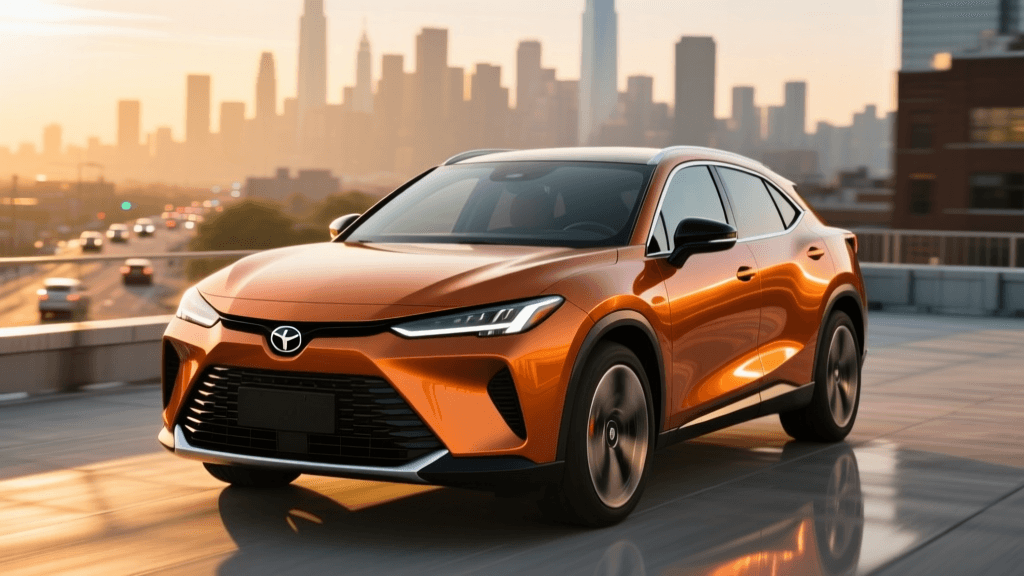
The Toyota RAV4 Hybrid remains a benchmark in the segment. While it slightly trails the CR-V in maximum cargo volume, its 37.5 cubic feet behind the second row is more than adequate for most families. The RAV4 Hybrid's 40 MPG combined rating is remarkably consistent across various driving conditions, thanks to Toyota's highly refined planetary gearset hybrid system. Furthermore, the availability of the Woodland Edition offers slightly more rugged styling and standard all-weather floor liners, making it an excellent choice for outdoor enthusiasts who need a washable cargo area for muddy gear.
3. Hyundai Tucson Hybrid: The Tech-Forward Contender
The Hyundai Tucson Hybrid offers a slightly more premium interior and a longer wheelbase than its competitors, translating to a massive 80.3 cubic feet of maximum cargo space when the rear seats are folded flat. While its 38 MPG combined rating is slightly lower than the Japanese alternatives, the trade-off is a quieter cabin, a more sophisticated infotainment system, and standard features like heated rear seats on higher trims. The Tucson's cargo area is wide and square, making it exceptionally easy to load bulky boxes or large dog crates.
Step 3: Verify Hybrid Battery Warranties and Longevity
A common concern when purchasing any hybrid vehicle is the long-term health and replacement cost of the high-voltage battery pack. It is crucial to understand the federal mandates and manufacturer warranties that protect your investment. The Alternative Fuels Data Center notes that federal law requires hybrid battery packs to be warranted for at least 8 years or 100,000 miles, whichever comes first. In states that follow California Air Resources Board (CARB) regulations, this warranty is often extended to 10 years or 150,000 miles.
How to verify during your purchase:
- Ask the dealer for the specific warranty documentation regarding the hybrid battery and the inverter.
- If buying used, request a 'Hybrid Battery Health Check' from the service department, which will show the current state of charge and any degraded cells.
- Confirm whether the warranty is transferable to a second owner if you plan to sell the vehicle before the warranty expires.
Step 4: Conduct a Purpose-Driven Test Drive
Reading about regenerative braking and cargo space is entirely different from experiencing it. When you schedule your test drive, do not just drive around the block. Treat the test drive as a practical audit of the vehicle's capabilities.
The Cargo Audit: Bring the items you carry most frequently. If you have a specific dog crate, a set of golf clubs, or a specialized stroller, bring them to the dealership. Physically load them into the cargo area. Check if the privacy tonneau cover still fits over your items. Ensure the rear hatch closes automatically without hitting the cargo.
The Efficiency Audit: Pay attention to the hybrid system's transition points. When the vehicle switches from electric-only mode to the gasoline engine, is the transition smooth or jarring? Test the regenerative braking by driving down a steep hill or coming to a stop from highway speeds. Some SUVs offer paddle shifters to adjust the level of regenerative braking, allowing for 'one-pedal-like' driving in heavy traffic. Determine if the braking feel is natural or overly grabby, which is a common complaint in poorly tuned hybrid systems.
Step 5: Cross-Reference Safety and Reliability Ratings
Efficiency and cargo space mean little if the vehicle does not protect its occupants. Because hybrid SUVs carry additional weight from the battery packs and rear electric motors, their crash dynamics can differ slightly from their gas-only counterparts. Always consult independent safety organizations before finalizing your purchase.
According to the Insurance Institute for Highway Safety (IIHS), top-performing vehicles must excel in crashworthiness, crash avoidance, and headlight effectiveness. Both the RAV4 Hybrid and CR-V Hybrid consistently earn top marks, but you should verify the specific model year you are purchasing, as headlight ratings and pedestrian detection systems can change from year to year. Ensure the model you choose includes standard automatic emergency braking and blind-spot monitoring, as these features are critical for family haulers.
Final Verdict: Making Your Purchase Decision
Choosing the best hybrid SUV for fuel economy and cargo space ultimately comes down to your specific daily routine. If maximum cargo volume and a flat load floor are your top priorities, the Honda CR-V Hybrid is the undisputed champion. If you value proven reliability, widespread dealer networks, and rugged outdoor capability, the Toyota RAV4 Hybrid is your best bet. For those seeking a premium feel and maximum folded cargo space, the Hyundai Tucson Hybrid delivers exceptional value.
By following this how-to guide—measuring your real-world cargo needs, understanding EPA metrics, verifying battery warranties, and conducting a purpose-driven test drive—you will confidently drive away in a hybrid SUV that saves you money at the pump without compromising on the utility your life demands.