Quick Answer: What Lincoln Electric Vehicles Can You Buy in 2026?
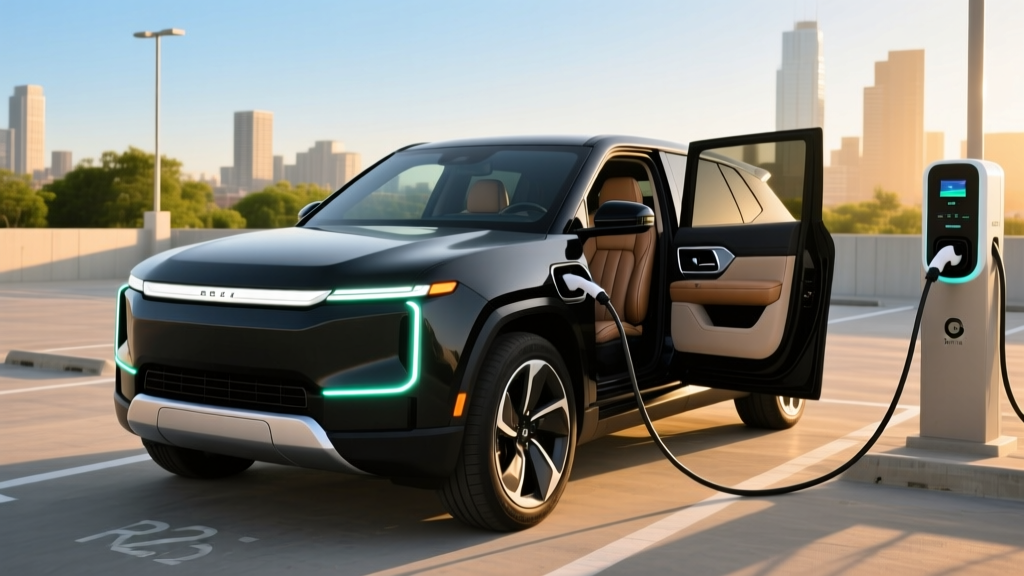
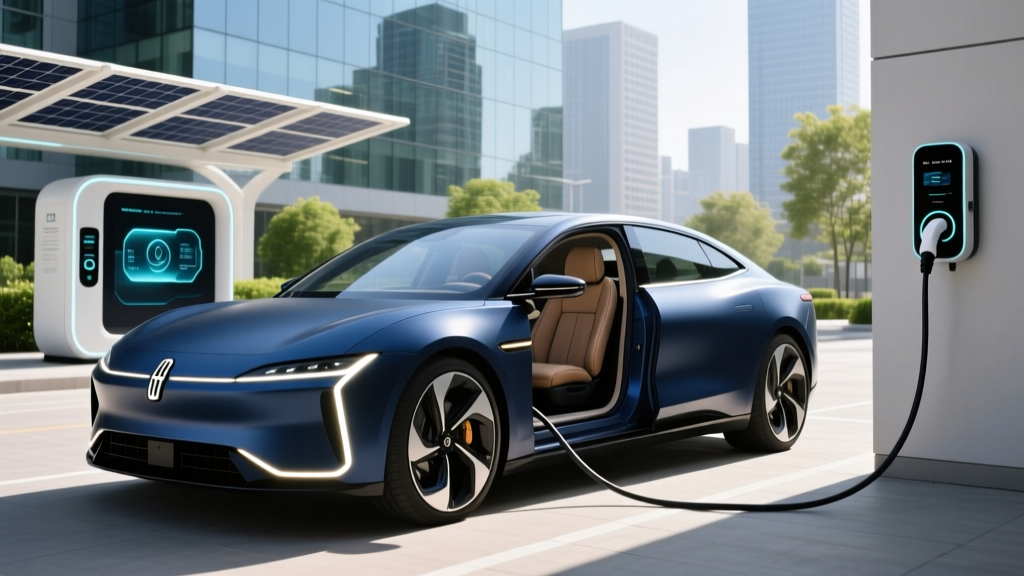
As of early 2026, Lincoln does not sell a fully electric vehicle (BEV) in the U.S. The brand's electrified lineup consists of two plug-in hybrids: the Lincoln Corsair Grand Touring PHEV (27 miles electric-only, 80 MPGe combined) and the Lincoln Aviator Grand Touring PHEV (21 miles electric-only, 56 MPGe combined). Lincoln's first dedicated BEV — widely expected to be an electric SUV — remains in development and has not yet entered production. If you want a Lincoln with a plug today, your choices are these two PHEVs; if you need a pure BEV, you'll need to look at competitors like the Genesis Electrified GV70, BMW iX, or Cadillac Lyriq.
Lincoln's Current Electrified Lineup: Corsair & Aviator PHEVs
Lincoln's approach to electrification has been cautious, focusing on plug-in hybrid "Grand Touring" variants of its existing crossovers rather than launching a ground-up battery-electric model. Both current PHEVs pair a turbocharged gasoline engine with an electric motor and a modest battery pack designed for short electric-only commutes.
| Spec | Corsair Grand Touring | Aviator Grand Touring |
|---|---|---|
| Powertrain | 2.5L I4 + electric motor | 3.0L Twin-Turbo V6 + electric motor |
| Combined System HP | 266 hp | 494 hp / 630 lb-ft torque |
| Battery Capacity (usable) | 14.4 kWh (NMC) | 13.1 kWh (NMC) |
| EPA Electric-Only Range | 27 miles | 21 miles |
| EPA MPGe (electric + gas) | 80 MPGe | 56 MPGe |
| Gas-Only MPG (combined) | 33 MPG | 23 MPG |
| Level 2 Charge Time (0–100%) | ~3.5 hours (3.3 kW onboard) | ~3.5 hours (3.3 kW onboard) |
| DC Fast Charging | Not available | Not available |
| 0–60 mph | ~7.0 sec | ~5.5 sec |
| Base MSRP | ~$53,000 | ~$72,000 |
| Battery Warranty | 8 yr / 100,000 mi | 8 yr / 100,000 mi |
Neither PHEV offers DC fast charging. Both rely on a 3.3 kW onboard charger, meaning Level 2 top-ups take roughly 3.5 hours. For daily commutes under 25 miles with overnight home charging, you can cover most weekday driving on electricity alone. But once the battery depletes, you're driving a conventional hybrid — and the Corsair's 33 MPG combined is respectable while the Aviator's 23 MPG reflects its 5,500+ lb curb weight.
Lincoln PHEV vs. Gas vs. Competitor EV: Cost Comparison
The key question for most buyers is whether a Lincoln PHEV saves money compared to the gas-only version or a rival luxury BEV. Here's a 5-year cost projection assuming 15,000 miles/year, $3.50/gal gas, and $0.14/kWh home electricity.
| Category | Corsair PHEV | Corsair Gas (2.0T) | Cadillac Lyriq (BEV) |
|---|---|---|---|
| Base MSRP | $53,000 | $40,000 | $58,000 |
| Federal Tax Credit (§30D) | $0 (PHEV battery <16 kWh) | $0 | Up to $7,500* |
| Annual Fuel/Energy Cost | ~$1,150 | ~$2,100 | ~$630 |
| 5-Yr Fuel/Energy Total | $5,750 | $10,500 | $3,150 |
| 5-Yr Maintenance (est.) | ~$3,200 | ~$3,800 | ~$2,000 |
| 5-Yr Total (excl. insurance) | ~$61,950 | ~$54,300 | ~$55,650 |
*Cadillac Lyriq §30D eligibility depends on battery sourcing, buyer income caps ($150K single / $300K joint), and MSRP cap ($80K for SUVs). Verify at IRS.gov.
The Corsair PHEV's $13,000 price premium over the gas model is only partially recovered by fuel savings over five years (~$4,750). The Lyriq, despite a higher MSRP, becomes competitive once the §30D credit is applied and fuel/maintenance savings compound. The Aviator Grand Touring's premium is even steeper, making it harder to justify on economics alone — it's a performance and luxury play first.
Real-World Ownership: What Lincoln PHEV Buyers Should Know
Home Charging Is Essential
With just 21–27 miles of electric range, the value proposition of a Lincoln PHEV collapses without reliable home charging. If you park on the street or in a garage without a 240V outlet, you'll rarely use the electric drivetrain, and you've paid a premium for a battery you're not leveraging. A basic Level 2 home installation (240V, 32A circuit) runs $800–$2,000 including electrician labor, permit, and a quality EVSE like the ChargePoint Home Flex. If your panel needs an upgrade to 200A, add $1,500–$3,000.
Cold Weather Cuts Electric Range Hard
PHEV battery packs are small, making them especially vulnerable to cold-weather range loss. At 20°F, expect the Corsair's 27-mile electric range to drop to roughly 17–20 miles. The Aviator's 21-mile rating may shrink to 13–16 miles. The gasoline engine will also activate more frequently in cold weather to provide cabin heat, further reducing electric-only driving.
Driving Patterns Determine PHEV Value
A Lincoln PHEV makes financial and environmental sense if your typical weekday round-trip commute is under 25 miles and you can charge at home every night. If you regularly drive 60+ miles per day or take frequent road trips, the electric motor becomes a minor contributor, and you're essentially driving a heavier, more expensive hybrid.
Common Misconceptions About Lincoln Electrified Vehicles
| Myth | Fact |
|---|---|
| "Lincoln PHEVs qualify for the $7,500 federal tax credit." | Neither qualifies. The §30D credit for PHEVs requires a battery capacity of at least 16 kWh (adjusted for specific energy). The Corsair's 14.4 kWh and Aviator's 13.1 kWh fall short of current thresholds for full credit eligibility. Always verify on fueleconomy.gov. |
| "PHEVs charge on DC fast chargers." | Neither Lincoln PHEV has a DC fast-charge port. They accept only Level 1 (120V) and Level 2 (240V) AC charging at a maximum of 3.3 kW. |
| "Lincoln has a fully electric SUV you can buy now." | As of 2026, Lincoln has no BEV in production. The brand previously canceled its planned BEV based on the Ford F-150 Lightning platform and is developing a new EV architecture, but no model is on sale. |
| "PHEV maintenance costs are lower than gas cars." | Partially true. You still have an internal combustion engine requiring oil changes, spark plugs, and transmission service. Savings come from reduced brake wear (regenerative braking) and less engine runtime during short electric commutes. |
What About a Fully Electric Lincoln?
Lincoln's path to a dedicated BEV has been turbulent. The brand initially planned an electric vehicle on the Ford F-150 Lightning platform but canceled that program in 2022. Since then, Lincoln has signaled it will launch a next-generation electric SUV, likely on a new flexible architecture, but Ford has not confirmed a specific model name, battery size, range target, or on-sale date.
If Lincoln does launch a BEV, competitive positioning will require:
- 300+ miles of EPA range to match the Cadillac Lyriq (314 mi) and Genesis Electrified GV70 (236 mi, but with DC fast charging)
- 150+ kW DC fast charging — a baseline expectation for luxury EVs in 2026
- NACS connector — Ford/Lincoln have committed to adopting the Tesla-style North American Charging Standard, enabling access to the Supercharger network
- §30D tax credit eligibility — critical for price competitiveness in the $60K–$80K luxury segment
Until a Lincoln BEV materializes, buyers wanting a premium electric SUV from a domestic brand will need to consider the Cadillac Lyriq or look to European and Korean competitors.
Tax Credit & Incentive Reality for Lincoln PHEVs
Understanding the §30D federal clean vehicle credit is critical when evaluating Lincoln's PHEVs. Under current IRS rules, plug-in hybrids must meet several requirements:
- Battery capacity: Minimum 7 kWh for PHEVs, but credit amount scales with capacity. Lincoln's packs are modest, reducing potential credit value.
- Critical minerals & battery component sourcing: Percentages of qualifying sourcing increase annually. For 2026, 80% critical minerals and 100% battery components must be sourced from the U.S. or FTA partners to qualify for the full $7,500.
- MSRP caps: SUVs must be under $80,000. The Aviator Grand Touring starts ~$72K but loaded trims can exceed the cap.
- Buyer income limits: $150,000 single / $225,000 head of household / $300,000 joint (modified AGI).
- Point-of-sale transfer: Qualified buyers can transfer the credit to the dealer for an immediate price reduction rather than waiting for tax filing.
Based on current battery sourcing disclosures, neither Lincoln PHEV has been listed as qualifying for the full §30D credit on fueleconomy.gov. Always check the official database before purchasing and consult a tax professional for your specific situation.
Decision Framework: Is a Lincoln PHEV Right for You?
Choose the Lincoln Corsair Grand Touring PHEV if:
- Your daily commute is under 25 miles round-trip and you have home Level 2 charging
- You want a compact luxury crossover with the option of silent, electric-only neighborhood driving
- You value Lincoln's interior quality and ride comfort over pure EV efficiency
- You take 2–3 road trips per year and don't want to plan around DC fast-charging stations
- You understand you likely won't receive the federal tax credit and accept the higher purchase price as a luxury/convenience premium
Choose the Lincoln Aviator Grand Touring PHEV if:
- You need three-row seating and 494 hp of combined system power
- You want electric-only capability for school runs and short errands (under 20 miles)
- You're less concerned with fuel economy payback and more focused on performance and luxury
- You have a 240V home charging setup or can install one
Look elsewhere (BEV competitors) if:
- You want zero gasoline use and zero tailpipe emissions
- Your daily driving exceeds 30 miles and you want to minimize fuel costs
- You want access to DC fast charging for road trips (150+ kW)
- You want to maximize the $7,500 federal tax credit
- You want lower long-term maintenance costs (no engine oil, spark plugs, or transmission fluid)
Frequently Asked Questions
Does Lincoln make a fully electric car in 2026?
No. Lincoln currently offers two plug-in hybrid vehicles (Corsair Grand Touring and Aviator Grand Touring) but no battery-electric vehicle. A Lincoln BEV is in development but has no confirmed launch date.
How far can the Lincoln Corsair PHEV drive on electricity alone?
The EPA rates the Corsair Grand Touring at 27 miles of electric-only range. In real-world conditions — especially highway speeds or cold weather — expect 17–22 miles before the gasoline engine engages.
Can I DC fast-charge a Lincoln PHEV?
No. Both Lincoln PHEVs are limited to AC charging at 3.3 kW maximum (Level 1 and Level 2 only). There is no CCS or NACS DC fast-charge port.
Do Lincoln PHEVs qualify for any federal tax credit?
Neither the Corsair nor Aviator Grand Touring currently qualifies for the full $7,500 §30D federal tax credit due to battery capacity and sourcing requirements. Check fueleconomy.gov for the latest eligibility list and consult a tax professional.
Is a Lincoln PHEV better than a regular hybrid?
It depends on your charging access and commute. If you can charge at home nightly and drive under 25 miles daily, the PHEV will use less gasoline than a conventional hybrid. If you can't charge regularly, a conventional HEV like the Toyota Highlander Hybrid may deliver better real-world MPG at a lower purchase price.
What is the battery warranty on Lincoln PHEVs?
Lincoln covers the high-voltage battery for 8 years or 100,000 miles (whichever comes first), which is standard for PHEVs and meets federal emissions-component warranty requirements.