Introduction: The Affordable Ultium Promise
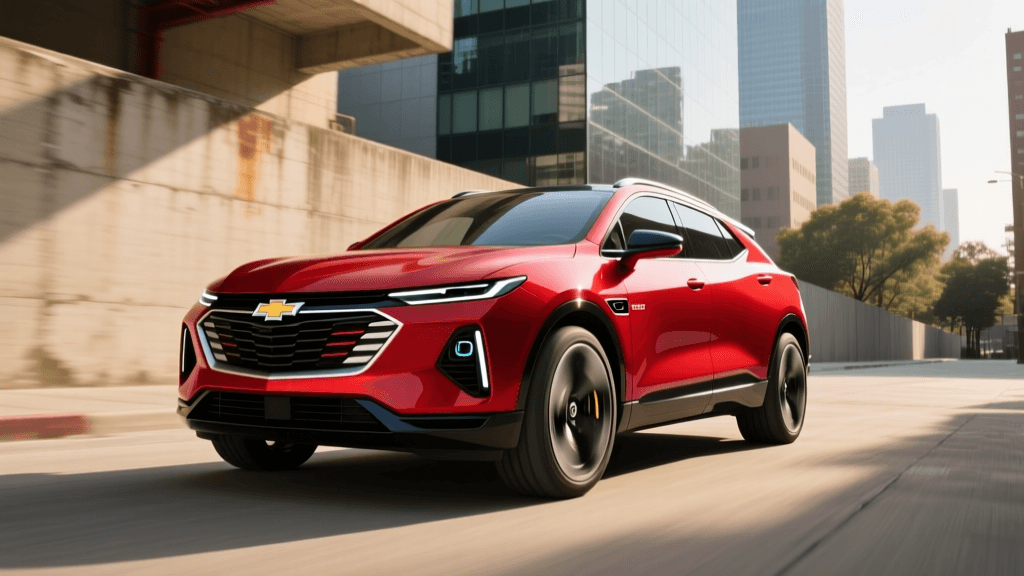
When General Motors promised an electric vehicle for the masses, the automotive world held its breath. The result is the Chevrolet Equinox EV, a compact crossover aiming to disrupt the market with a compelling blend of range, technology, and accessibility. However, as with any highly anticipated release, the internet has been flooded with assumptions, rumors, and outright misconceptions. Is it really capable of its advertised range? Is it just a re-skinned Bolt? In this first drive review and value analysis, we are separating fact from fiction. By busting the most common myths and highlighting the critical mistakes buyers make at the dealership, we will help you determine if the Equinox EV is the right addition to your driveway.
Myth #1: The 315-Mile Range is Just EPA Fantasy
One of the most pervasive myths surrounding the Equinox EV is that its headline-grabbing 315-mile EPA-estimated range (on FWD models) is an unattainable fantasy. Skeptics immediately point to real-world variables like highway speeds, cold weather, and HVAC usage, claiming this number is purely theoretical. However, our first drive reveals that GM's Ultium battery management system is exceptionally efficient in practice.
The 85 kWh (usable) battery pack utilizes advanced NCMA (nickel, cobalt, manganese, aluminum) chemistry, which optimizes energy density and thermal management. During our mixed-driving test loop—which included 70 mph highway cruising, elevation changes, and stop-and-go city traffic—we observed an indicated range decay that closely mirrored the EPA estimate. The secret lies in the highly integrated heat pump and the aerodynamic underbody panels that reduce drag. While extreme winter conditions will inevitably reduce range by 20% to 30% (a reality for all lithium-ion EVs), the 315-mile figure is a legitimate, achievable metric for temperate climates and mixed driving. As noted in Chevrolet's official Equinox EV specifications, the efficiency of the Ultium platform allows it to outpace nearly every competitor in the $35,000 to $45,000 bracket.
Myth #2: It’s Just a Rebadged, Stretched Bolt EUV
A frequent internet rumor suggests the Equinox EV is merely a stretched version of the aging Chevrolet Bolt EUV, repackaged to look modern. This is categorically false and misunderstands GM's engineering evolution. The Bolt relies on GM's older BEV2 architecture, which utilized a modified internal combustion engine platform with batteries awkwardly stuffed into the floorpan. The Equinox EV, conversely, is built from the ground up on GM's dedicated BEV3 Ultium platform.
This distinction is crucial for driving dynamics and packaging. First, the Ultium platform allows for a significantly lower center of gravity and a near 50/50 weight distribution, drastically improving handling and reducing body roll. Second, it supports native rear-wheel-drive and all-wheel-drive configurations, whereas the Bolt was strictly front-wheel-drive. On the road, the suspension tuning on the Equinox EV absorbs imperfections with a maturity that mimics luxury crossovers, entirely shedding the choppy, compliance-heavy ride of the Bolt EUV. It is a fundamentally different, vastly superior vehicle.
Myth #3: The Base Models Are a "Penalty Box"
In the traditional automotive market, base models are often "penalty boxes" stripped of essential technology, comfort, and aesthetic appeal to hit an aggressive starting MSRP. Many assumed GM would follow this playbook to advertise a low entry price. Fortunately, this myth crumbles the moment you open the door of a base 2LT trim.
Unlike competitors that reserve their best tech for top-tier trims, Chevrolet includes the massive 17.7-inch diagonal infotainment screen and the 11-inch digital driver cluster as standard equipment across the entire lineup. Furthermore, features like heated front seats, a heated steering wheel, and comprehensive active safety suites are not locked behind exorbitant premium packages. While you won't get the panoramic sunroof, ventilated seats, or the sport-tuned suspension of the 3RS trim, the foundational experience of the base Equinox EV feels remarkably premium, modern, and complete.
Myth #4: The Software is a Step Backward
Critics were quick to judge GM's recent software updates, fearing the Equinox EV would suffer from the same laggy interfaces that plagued early iterations of the Chevy Silverado EV. In reality, the Equinox EV features a highly refined version of Android Automotive OS with Google Built-in. The processing speed is snappy, voice recognition via Google Assistant is highly accurate, and the integration of Google Maps for EV route planning is seamless. The only valid critique is the reliance on capacitive touch sliders for volume and climate control, which can be finicky while driving. However, the sheer resolution and responsiveness of the 17.7-inch screen largely outweigh these minor ergonomic grievances.
Common Buyer Mistakes to Avoid
Beyond the myths, there are practical mistakes that prospective buyers make when configuring and purchasing the Equinox EV. Avoiding these errors will save you time, money, and frustration.
Mistake 1: Misunderstanding the DC Fast Charging Curve
Many buyers assume that because the Equinox EV is a modern Ultium vehicle, it will charge at the blistering 350 kW speeds seen on the GMC Hummer EV or Hyundai Ioniq 5. This is a critical mistake. The Equinox EV's electrical architecture is capped at a peak charging rate of 150 kW. While GM claims a 10% to 80% charge in roughly 30 minutes under ideal conditions, buyers who rely exclusively on 350 kW public chargers will not see any time-saving benefits. The actionable advice here is to plan your road trips around 150 kW chargers, which are far more common and often less congested. Always use the vehicle's navigation system to route to a charger; this automatically preconditions the battery, ensuring the pack is at the optimal temperature for peak charging speeds upon arrival.
Mistake 2: Forgetting the Point-of-Sale Tax Credit
The Equinox EV qualifies for the full $7,500 Federal Clean Vehicle Credit. However, a common mistake is assuming you must wait until tax season to claim this on your return, which messes up initial budgeting and cash flow. As outlined by the IRS guidelines on the New Clean Vehicle Tax Credit, buyers can now transfer this credit to the dealership as a point-of-sale rebate. This effectively drops the purchase price or down payment by $7,500 on the spot. Failing to coordinate this transfer with your dealer's finance department before signing the paperwork is a costly administrative error that forces you to float the $7,500 until you file your taxes.
Mistake 3: Overlooking Super Cruise Availability
If you plan on taking frequent road trips, failing to check the availability of GM's Super Cruise hands-free driving assistance system is a major oversight. Super Cruise is not available on every trim, and it often requires a specific premium package or the top-tier 3RS trim. If hands-free highway driving is a priority for your daily commute or cross-country travels, you must verify the exact build sheet with your dealer, as inventory varies wildly by region.
2024 Chevrolet Equinox EV Trim & Value Breakdown
To help you navigate the lineup, we have compiled a comparison chart of the primary configurations. For deeper analysis on how these trims stack up against rivals, Car and Driver's comprehensive Equinox EV hub offers excellent comparative testing data.
| Trim Level | Drivetrain | Est. Range | Starting MSRP | Key Feature Highlight |
|---|---|---|---|---|
| 2LT | FWD | 315 mi | $33,400 | 17.7" Screen, Heated Seats, 19" Wheels |
| 3RS | FWD | 315 mi | $43,400 | Sport Styling, Evotex Seats, 21" Wheels |
| 3RS | AWD | 285 mi | $46,700 | Dual Motor (288 hp), Super Cruise Prep |
Note: MSRPs are approximate and exclude destination charges. Always factor in the $7,500 federal point-of-sale rebate and any applicable state incentives to determine your true out-of-pocket cost.
The Verdict: Value Redefined?
After spending time behind the wheel, it is clear that the Chevrolet Equinox EV is not a compromise; it is a masterclass in accessible electric mobility. By busting the myths surrounding its range, platform, and base-level equipment, the Equinox EV emerges as a formidable competitor that punches well above its weight class. It avoids the common pitfalls of budget EVs by offering premium screens, excellent ride quality, and genuine 300+ mile range. If you avoid the common dealership mistakes regarding charging expectations and tax credit transfers, the Equinox EV represents one of the most compelling value propositions in the modern automotive market. It isn't just a good EV for the money; it's simply a good car, period.