Introduction: The Solterra's Dual Personality
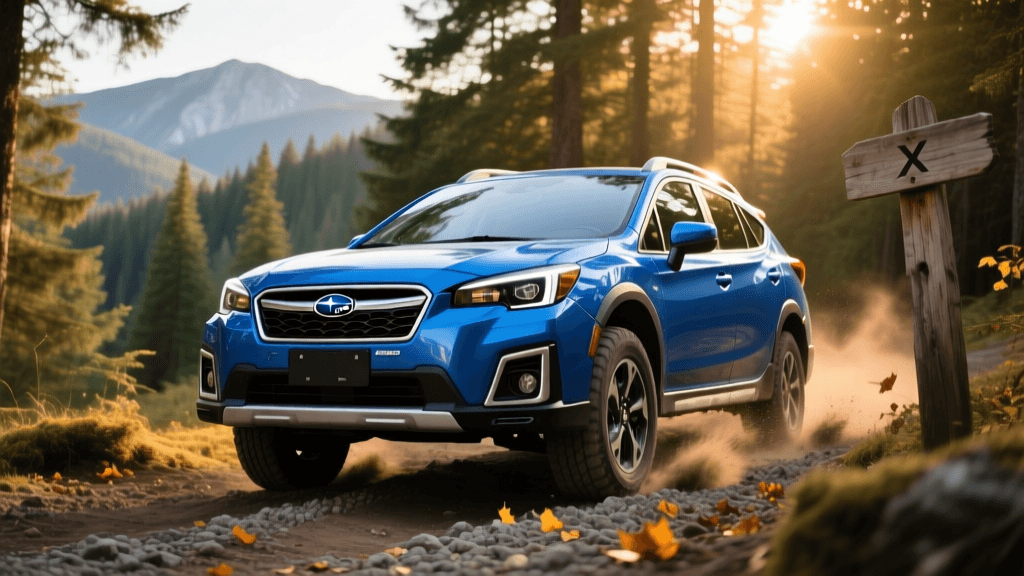
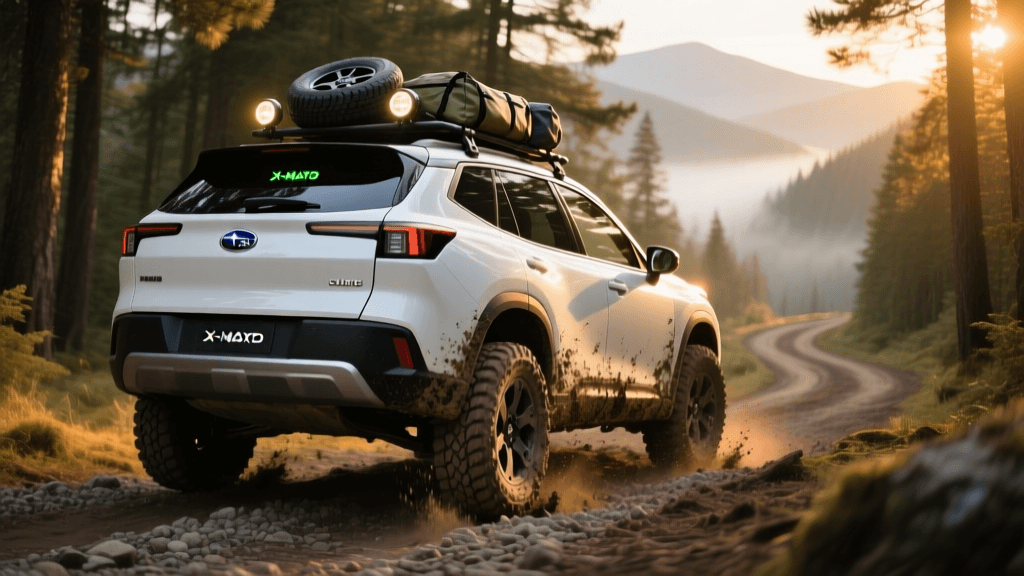
When Subaru partnered with Toyota to develop its first dedicated electric vehicle, enthusiasts wondered if the legendary off-road pedigree of the brand would translate to a battery-powered platform. The result is the Subaru Solterra, an EV that boasts an impressive 8.3 inches of ground clearance and a standard dual-motor all-wheel-drive (AWD) system. But taking an EV off the pavement requires a completely different mindset than driving a traditional internal combustion engine (ICE) vehicle. In this expert guide, we break down the real-world range impacts of off-roading, how to properly utilize Subaru’s X-MODE, and the best practices for outfitting your Solterra for the trail.
Real-World Range vs. Off-Road Reality
The EPA estimates the Subaru Solterra’s range at between 222 and 228 miles, depending on the trim and wheel size. However, Car and Driver's testing and real-world trail experiences reveal that off-roading drastically alters these numbers. Electric vehicles are exceptionally heavy; the Solterra tips the scales at over 4,300 pounds. Moving that mass over uneven terrain, up steep inclines, and through high-resistance surfaces like sand or mud requires immense energy.
Unlike highway driving where aerodynamic drag is the primary range killer, off-road range depletion is dictated by rolling resistance, elevation changes, and low-speed torque demands. To help you plan your adventures, we have compiled a realistic range estimation table based on varying off-road conditions.
Solterra Range Impact by Terrain Type
| Terrain Type | Avg. Speed | Estimated Range | Primary Energy Drain Factor |
|---|---|---|---|
| Paved Highway (Baseline) | 65 mph | ~210 miles | Aerodynamic drag, cabin HVAC |
| Hard-packed Dirt/Gravel | 25-35 mph | ~175 miles | Increased rolling resistance |
| Technical Rock Crawling | 2-5 mph | ~120 miles | High torque output, low regenerative braking |
| Deep Sand or Thick Mud | 10-15 mph | ~85 miles | Extreme rolling resistance, wheel slip |
| Steep Mountain Ascents | 15-25 mph | ~90 miles (uphill) | Gravity, elevation gain (recouped on descent) |
Note: Always plan your off-road route with a minimum 30% battery buffer to account for unexpected detours, weather changes, or the need to run the cabin heater while stationary.
Mastering X-MODE for Maximum Traction
Subaru’s X-MODE is the brain behind the Solterra’s off-road capability. It manages the electric motors' torque distribution, braking, and traction control to simulate the behavior of locking differentials. As an EV, the Solterra can adjust torque to individual wheels in milliseconds—far faster than any mechanical system.
When to Use Each X-MODE Setting
- Snow/Dirt Mode: Best for hard-packed trails, gravel roads, and light snow. This mode allows for a slight amount of wheel slip, which is necessary to build momentum and clear tire treads in loose dirt.
- Deep Snow/Mud Mode: Engages aggressive brake-locking simulated differentials. Use this when a wheel is completely off the ground or buried in deep ruts. It will brake the spinning wheel instantly to send 100% of available torque to the wheel with traction.
- Grip Control (Crawl Control): Think of this as off-road cruise control. Set your desired speed (between 1 and 6 mph), and the Solterra will manage the throttle and brakes. This is an expert best practice for steep, rocky descents where you want to avoid rolling over the pedals and unsettling the vehicle's balance.
Tire Upgrades: The Weakest Link
The Solterra’s factory tires (typically Falken Ziex all-seasons on 20-inch wheels) are optimized for low rolling resistance and highway quietness. They are a severe liability off-road. The sidewalls are thin and prone to punctures from sharp rocks, and the tread pattern offers minimal bite in mud or sand.
Expert Recommendation: If you are serious about trail riding, swap to a dedicated All-Terrain (A/T) tire. Because 20-inch A/T options are limited and expensive, many off-road enthusiasts downsize to 18-inch wheels (ensuring the overall diameter remains close to stock to avoid throwing off the speedometer and AWD calibration). Look for tires like the Falken Wildpeak A/T Trail or the Michelin LTX A/T2. These offer reinforced sidewalls and a silica-based compound that maintains grip in varying temperatures.
Be aware that switching to an aggressive A/T tire will reduce your baseline highway range by roughly 8% to 12% due to increased weight and rolling resistance, according to Department of Energy guidelines on vehicle modifications.
Underbody Protection and Suspension Considerations
While 8.3 inches of ground clearance is excellent for a crossover, the Solterra’s battery pack is mounted low to the chassis. The factory underbody skid plates are made of relatively thin plastic and light-gauge metal, designed primarily for aerodynamics and minor debris deflection. For serious off-roading, experts strongly recommend installing aftermarket skid plates constructed from 3/16-inch aluminum or steel to protect the battery casing from punctures. A punctured EV battery in a remote location is not just a tow-truck situation; it is a severe fire hazard and a total-loss event.
Regarding suspension, the Solterra’s stock setup is softly sprung to absorb highway imperfections, which results in noticeable body roll on off-camber trails. While a full lift kit is not yet widely available or recommended due to the CV axle geometry limitations, installing slightly stiffer aftermarket sway bars can help keep the vehicle level when traversing side-slopes, keeping the weight distributed more evenly across all four tires for better traction.
Essential EV Recovery and Camping Gear
Recovering a 4,300-pound EV requires specific gear. Traditional snatch straps can be dangerous on EVs because the instant torque can snap the strap or damage the vehicle's recovery points. Instead, use a kinetic recovery rope rated for at least 15,000 lbs, paired with soft shackles to protect the Solterra’s factory tow loops.
Trail Must-Haves
- Portable Air Compressor: Airing down your tires to 20-25 PSI dramatically increases the contact patch and smooths out washboard roads. Since the Solterra lacks a built-in high-capacity air compressor, carry a high-quality 12V unit powered by a portable lithium jump-starter pack.
- Traction Boards: Maxtrax or X-Bull boards are essential for sand or mud. The instant torque of the EV can dig holes in seconds; traction boards prevent you from high-centering the battery pack.
- Portable Power Station: While the Solterra Limited trim features a 120V AC outlet in the cargo area, it is limited in wattage. For running camp lights, electric coolers, or induction stoves, bring a dedicated power station like an EcoFlow Delta or Jackery Explorer 1000.
Battery Management Best Practices on the Trail
Managing the 72.8 kWh battery pack in remote areas requires foresight. Unlike an ICE vehicle where you can carry a jerrycan of gas, an EV requires strategic charging planning.
Preconditioning and Climate Control
Always precondition your Solterra’s battery and cabin while it is still plugged in at your hotel or a trailhead charger. Heating the cabin and warming the battery to optimal operating temperatures using grid power saves a massive amount of range once you hit the dirt. Furthermore, utilize the heated seats and heated steering wheel instead of blasting the cabin HVAC, as resistive heating elements draw significantly less power than the main climate control blower and PTC heater.
Regenerative Braking Settings
When navigating technical, low-speed obstacles, turn the regenerative braking down to its lowest setting. High regen can cause the vehicle to abruptly slow down and jerk when you lift off the accelerator, which can upset the chassis on off-camber rocks or cause you to lose momentum on steep, slippery inclines. Save high regen for the paved descent back to civilization to recoup elevation energy.
Conclusion: Respecting the Trail and the Battery
The Subaru Solterra is a highly capable off-road EV, provided you respect its limitations and plan accordingly. By understanding how terrain affects your range, upgrading your tires, and mastering X-MODE, you can access remote campsites and trails that remain out of reach for many other electric crossovers. Always adhere to Leave No Trace principles, stay on designated trails to protect delicate ecosystems, and remember that in the EV off-road world, the most important tool you carry is a well-calculated battery management strategy.