Introduction to the Tesla Model 3 'Highland' Refresh
For beginners entering the electric vehicle market, the Tesla Model 3 has long been the default recommendation. It is the vehicle that proved EVs could be desirable, practical, and accessible. However, as competition from Hyundai, Kia, and BMW heated up, Tesla knew it was time for a major update. Enter the 'Highland' refresh—Tesla's internal codename for the comprehensive 2024 Model 3 overhaul. This is not just a simple facelift; it is a ground-up reimagining of the car's interior, exterior aerodynamics, suspension, and acoustic profile.
If you are considering purchasing a new EV and have your eyes on the latest Model 3, this beginner's complete guide will walk you through every critical improvement, what it means for your daily commute, and how to adapt to Tesla's unique approach to modern driving. For the most up-to-date specifications and configurations, you can always reference Tesla's official Model 3 design page.
Exterior and Aerodynamic Improvements
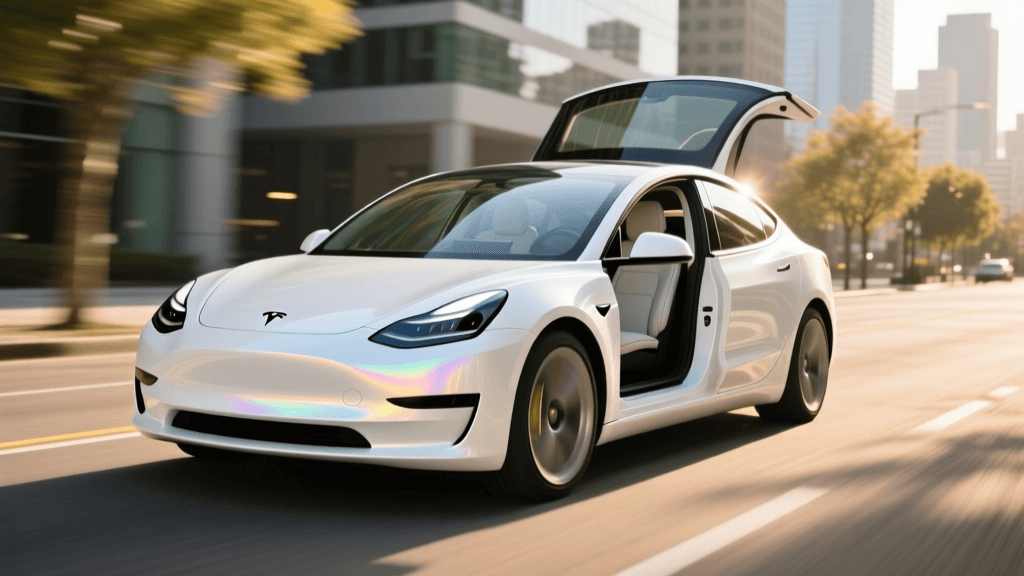
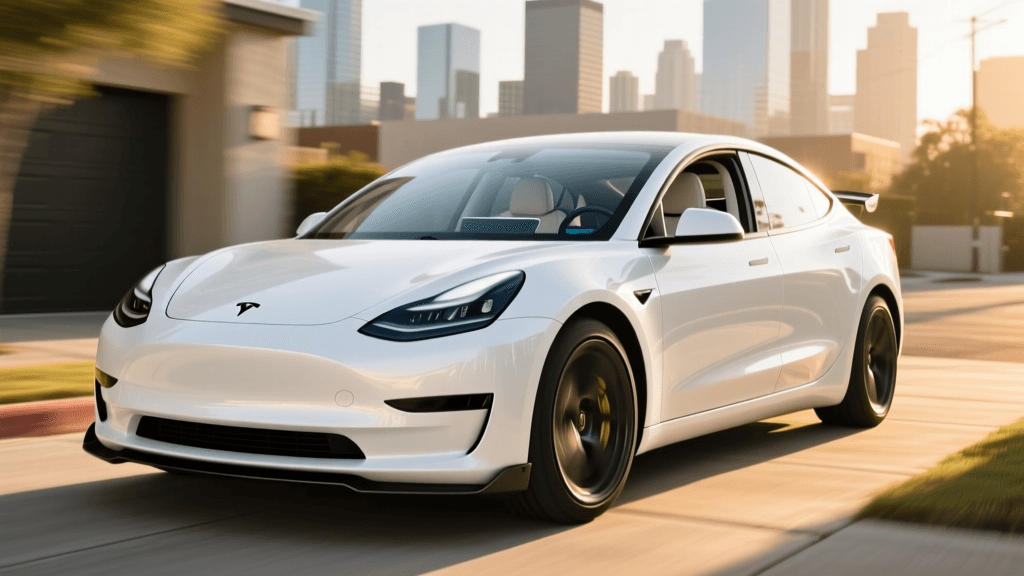
The first thing you will notice about the Highland Model 3 is its sharper, more aggressive front fascia. Tesla has ditched the somewhat droopy headlights of the pre-2024 models for sleek, narrow LED matrix units that give the car a sporty, predatory stance. The front bumper has been redesigned to eliminate the lower grille, creating a smoother surface that slices through the air with minimal resistance.
At the rear, the traditional chrome badges have been replaced with subtle, dark gray badging, and the taillights now feature a striking, continuous LED light bar that wraps around the trunk. But these changes are not just for aesthetics. Tesla's engineering team focused heavily on aerodynamics, reducing the car's drag coefficient. This sleeker profile directly translates to better real-world range and reduced wind noise at highway speeds, a crucial factor for new EV owners who might be anxious about running out of battery on long road trips.
Interior Overhaul: Comfort Meets Minimalism
Stepping inside the Highland Model 3 is where the most dramatic changes reveal themselves. Previous iterations of the Model 3 were often criticized for their spartan, almost sterile interiors. The Highland refresh addresses these complaints head-on, introducing a level of premium comfort that rivals luxury European sedans.
Ambient Lighting and Premium Materials
A wraparound ambient lighting strip now flows seamlessly from the dashboard into the front doors, giving the cabin a warm, inviting glow at night. The materials have been upgraded across the board, featuring softer, more premium vegan leathers and textiles that feel significantly more expensive than the outgoing model.
Acoustic Glass: A Game Changer for NVH
Perhaps the most impactful upgrade for daily drivers is the introduction of acoustic laminated glass for all windows, including the rear windshield and the massive glass roof. Tesla has also added extensive sound-deadening materials throughout the chassis. The result is a massive reduction in Noise, Vibration, and Harshness (NVH). At 70 mph, the cabin is whisper-quiet, allowing you to actually enjoy the upgraded 17-speaker premium audio system without having to crank the volume to overcome wind noise.
Ventilated Seats and Rear Touchscreen
Front seats are now ventilated, a must-have feature for warm climates, and they offer improved bolstering for long drives. Rear passengers have not been forgotten; the Highland Model 3 introduces an 8-inch rear touchscreen. This display allows back-seat passengers to control the climate, adjust the heated seats, and even stream Netflix or YouTube, making family road trips significantly more peaceful.
The Stalkless Controversy: What Beginners Must Know
Here is the most polarizing change in the Highland refresh: Tesla has completely removed the physical turn signal and gear selector stalks. Drawing inspiration from the Model S and Model X Plaid, all vehicle controls have been migrated to the steering wheel and the central touchscreen.
- Turn Signals: You now activate the blinkers using haptic buttons located on the left and right spokes of the steering wheel. A long press activates the hazard lights.
- Gear Selection: To shift into Drive or Reverse, you swipe up or down on the left edge of the central 15.4-inch touchscreen. There is also a backup capacitive touch strip on the overhead console near the rearview mirror in case the main screen ever requires a reboot.
Beginner Advice: Adapting to this takes about a week of dedicated driving. When navigating tight roundabouts or sharp intersections where your hands are crossing over the wheel, hitting the correct turn signal button can initially be confusing. We recommend spending your first few days in low-stress, suburban environments to build muscle memory before tackling heavy city traffic.
Performance, Range, and Charging Specs
Beneath the metal, the Highland Model 3 retains Tesla's industry-leading powertrain efficiency. The suspension has been completely retuned with new frequency-selective dampers, which absorb sharp bumps and potholes with a maturity that the previous, stiffer Model 3 lacked. Below is a comparison of the current Highland trims available in the North American market.
| Specification | Long Range AWD | Performance AWD (Highland) |
|---|---|---|
| Estimated EPA Range | 341 miles | 315 miles (est.) |
| 0-60 mph | 4.2 seconds | 2.9 seconds |
| Top Speed | 125 mph | 163 mph |
| Drivetrain | Dual Motor AWD | Dual Motor AWD |
| Wheels | 18-inch Photon / 19-inch Nova | 20-inch Curberg |
For a deeper dive into how these numbers translate to real-world testing, Car and Driver's Tesla Model 3 hub provides excellent track data and highway range loop results that confirm Tesla's efficiency claims.
Beginner's Guide to Charging the Highland Model 3
One of the biggest hurdles for new EV owners is understanding charging. The Highland Model 3 supports up to 250 kW on DC Fast Chargers (Superchargers) and 11.5 kW on Level 2 AC chargers.
Setting Up Home Charging
To truly enjoy EV ownership, you must charge at home. Relying solely on public chargers is the equivalent of never having a gas tank in your driveway. We highly recommend installing the Tesla Wall Connector on a 240-volt, 60-amp circuit (NEMA 14-50 or hardwired). This setup will replenish roughly 30 to 40 miles of range per hour, meaning your car will easily wake up at 100% every morning. If you are renting or cannot install a hardwired charger, the Tesla Mobile Connector with a NEMA 14-50 adapter is a viable, albeit slightly slower, alternative.
Utilizing the Supercharger Network
For road trips, the Tesla Supercharger network remains the gold standard for reliability. The Highland's navigation system automatically preconditions the battery when you route to a Supercharger, ensuring the battery is at the optimal temperature to accept maximum charging speeds upon arrival. A typical 10% to 80% charge takes about 25 to 30 minutes—perfect time for a restroom break and a coffee.
Tech and Software: Hardware 4.0
The Highland Model 3 is equipped with Tesla's Hardware 4.0 (HW4) computer. This includes higher-resolution cameras with a wider field of view, which dramatically improves the visual fidelity of the 3D driving visualization on your screen. While Tesla has removed the ultrasonic sensors (USS) in favor of the camera-based 'Tesla Vision' system, the latest software updates have made the proximity indicators and automatic parking features much more reliable than they were during the initial phase-out of USS.
It is worth noting that while the car comes with basic Autopilot (lane centering and traffic-aware cruise control), the optional Full Self-Driving (FSD) capability remains a work in progress. For beginners, standard Autopilot is more than sufficient for reducing fatigue on long highway stretches. For comprehensive consumer feedback on the software experience, Edmunds' Tesla Model 3 review center offers excellent long-term ownership logs detailing software quirks and updates.
Is the Highland Model 3 Right for You?
The Tesla Model 3 Highland refresh is arguably the most complete, well-rounded electric sedan on the market today. It successfully bridges the gap between a thrilling performance EV and a comfortable, quiet daily commuter. The improvements in ride quality, cabin noise reduction, and interior materials address nearly every major criticism of the previous generation.
However, it is not without its learning curves. The removal of physical stalks and the heavy reliance on touchscreen controls require a willingness to adapt to Tesla's minimalist philosophy. If you prefer traditional automotive ergonomics, competitors like the Hyundai Ioniq 6 or BMW i4 might feel more familiar. But if you are ready to embrace the future of software-defined vehicles, enjoy industry-leading efficiency, and want access to the most robust charging network in the world, the Highland Model 3 is an exceptional choice for your first electric vehicle.
Conclusion
The 'Highland' update has successfully matured the Model 3 from a tech-forward disruptor into a genuinely refined premium sedan. By focusing on the sensory experience—better sound insulation, softer suspension, and a more luxurious cabin—Tesla has ensured that the Model 3 remains the benchmark by which all other entry-level luxury EVs are measured. Take a test drive, spend an hour adjusting the mirrors, climate, and steering wheel settings via the screen, and experience the quiet thrill of the Highland refresh for yourself.