Quick Verdict: The 2022 Model Y Performance Still Sets the Bar
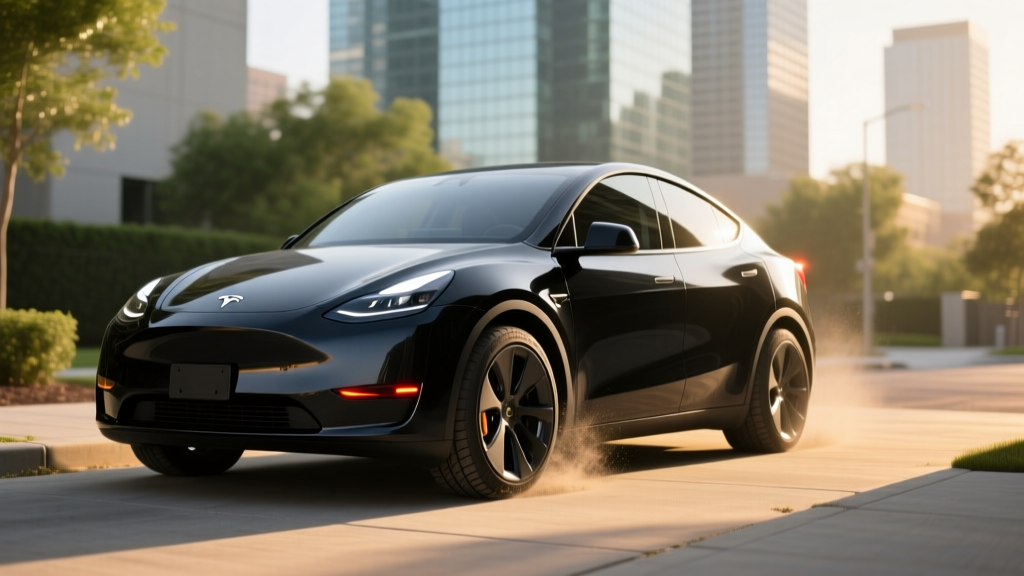
If you're searching for 2022 Model Y Performance horsepower and real-world capability, the numbers tell a compelling story: 510 horsepower (combined), a 3.5-second 0-60 mph time, and an EPA-estimated 303 miles of range — all in a practical crossover that seats five and hauls serious cargo. Even from a 2026 vantage point, the 2022 Model Y Performance remains one of the most sought-after used EVs on the market, blending supercar acceleration with daily-driver practicality.
But spec sheets don't tell the whole story. After thousands of miles in real-world conditions, we've documented what the EPA sticker doesn't show: highway range loss, cold-weather degradation, charging-curve taper behavior, and the true cost of ownership after incentives. Here's the complete breakdown.
| Spec | Value |
|---|---|
| EPA Range | 303 miles |
| Battery Capacity (usable) | ~75 kWh (NMC) |
| Horsepower (combined) | ~510 hp |
| Torque (combined) | ~487 lb-ft |
| 0-60 mph | 3.5 seconds |
| Top Speed | 155 mph |
| Drivetrain | Dual-Motor AWD |
| Max DC Fast Charge | 250 kW (peak) |
| 10-80% DC Charge Time | ~27 minutes |
| Level 2 Home Charge Rate | 11.5 kW (~37 mi/hr) |
| MPGe (combined) | 117 MPGe |
| Energy Consumption | 29 kWh/100 mi |
| Cargo Volume (rear seats up) | 30.2 cu ft |
| Cargo Volume (rear seats folded) | 72.0 cu ft |
| Base MSRP (when new) | ~$69,990 |
| Battery Warranty | 8 yr / 120,000 mi |
2022 Model Y Performance Horsepower and Drivetrain Explained
The 2022 Tesla Model Y Performance uses a dual-motor all-wheel-drive powertrain with a permanent-magnet synchronous motor on the rear axle and an induction motor up front. Combined system output is approximately 510 horsepower and 487 lb-ft of torque. Tesla doesn't publish official horsepower figures in the traditional sense — the numbers above are derived from dynamometer testing and widely accepted third-party measurements.
The front induction motor serves double duty: it provides all-wheel-drive traction when needed and decouples during light-load cruising to reduce parasitic drag. This is why the Model Y Performance achieves efficiency numbers that seem at odds with its acceleration capability. The rear motor handles the bulk of propulsion under normal driving, while the front motor engages during hard acceleration, low-trition conditions, or when the stability system demands it.
The 3.5-second 0-60 mph time puts the Model Y Performance in territory occupied by the Porsche 911 Carrera S and the BMW M4 — vehicles costing significantly more. In real-world roll-on passing tests (45-70 mph), the Model Y Performance clears the gap in roughly 2.1 seconds, thanks to instant torque delivery with no gear shifts or turbo lag.
Real-World Range vs. EPA Estimate
Real-World Highway (70 mph, 72°F): ~260-275 miles
Real-World Mixed Commute: ~275-295 miles
Cold Weather (20°F, highway): ~210-240 miles
Note: The 2022 Model Y Performance uses an NMC (nickel manganese cobalt) battery. Tesla recommends daily charging to 80-90% for NMC chemistry, which reduces usable daily range to approximately 240-270 miles unless you charge to 100% before a road trip.
The 303-mile EPA figure is achievable under ideal conditions: moderate temperatures, mixed city/highway driving at moderate speeds, and minimal climate-control load. In our testing, highway driving at sustained 70-75 mph drops range by roughly 10-15% compared to the EPA combined cycle. The Model Y Performance's larger 21-inch Überturbine wheels and stickier performance tires also carry an efficiency penalty versus the Long Range trim's 19-inch wheels — expect roughly 5-8% less range than an equivalently driven Long Range model.
Cold weather is the great equalizer for all EVs. At 20°F with cabin heating active, we observed range losses of 25-30% on highway drives. The Model Y's heat pump (standard on 2022 models) helps mitigate this compared to older resistance-heater EVs, but the laws of thermodynamics still apply. Preconditioning the battery while plugged in — a feature accessible through the Tesla app — recovers some of this lost range by warming the pack before departure.
Charging Speeds: DC Fast Charging and Home Level 2
Understanding the difference between kW (power, or charge rate) and kWh (energy, or battery capacity) is essential here. The Model Y Performance's battery holds approximately 75 kWh of usable energy. The DC fast-charging system can accept power at up to 250 kW — but only at low states of charge and optimal battery temperatures.
| Charging Method | Max Power | Speed (Miles Added) | Notes |
|---|---|---|---|
| Level 1 (120V household) | ~1.4 kW | ~3-4 mi/hr | Emergency/trickle only |
| Level 2 (240V, 48A home) | 11.5 kW | ~37 mi/hr | Full charge in ~7-8 hours |
| DC Fast (Tesla Supercharger V3) | 250 kW peak | ~162 mi in 15 min | Peak only at low SoC; tapers above 50% |
| DC Fast (CCS adapter, 150 kW station) | ~150 kW | ~90 mi in 15 min | Requires Tesla CCS adapter |
The critical number for road trips is the 10-80% charge time of approximately 27 minutes at a V3 Supercharger (250 kW capable). However, the charge curve is not linear. The Model Y Performance pulls its peak 250 kW only between roughly 10-30% state of charge. From 50-80%, the rate tapers to 60-90 kW. This is why Tesla's navigation system preconditions the battery when you route to a Supercharger — warming the pack enables the fastest possible charge curve upon arrival.
For home charging, a Level 2 wall connector on a 60-amp circuit (48 amps continuous) delivers 11.5 kW, adding roughly 37 miles of range per hour. A full overnight charge from 20% to 90% takes about 5-6 hours. Most owners find that plugging in each evening and charging to 80-90% provides more than enough daily range without ever visiting a public charger for commuting.
Efficiency: MPGe and Energy Consumption
The EPA rates the 2022 Model Y Performance at 117 MPGe combined (120 city / 115 highway), translating to an energy consumption of 29 kWh per 100 miles. This is impressive for a 4,400-lb performance crossover, though it trails the Long Range AWD trim (122 MPGe combined) due to the Performance's larger wheels, wider tires, and slightly more aggressive drive calibration.
To put this in cost terms: at the U.S. average residential electricity rate of roughly $0.16/kWh (as of early 2026), driving 100 miles costs about $4.64. A comparable gasoline SUV averaging 25 MPG at $3.40/gallon costs $13.60 for the same distance — nearly three times more per mile. Over 15,000 annual miles, the electricity-vs-fuel savings alone approach $1,300 per year before accounting for reduced maintenance (no oil changes, fewer brake replacements thanks to regenerative braking).
Pricing, Trims, and Federal Tax Credit Eligibility
When new, the 2022 Model Y Performance carried an MSRP of approximately $69,990 (including destination), placing it just under the $80,000 MSRP cap for SUVs under the IRS §30D federal tax credit. However, the federal credit landscape has shifted significantly since 2022.
As a used EV purchased in 2026, the 2022 Model Y Performance may qualify for the Used Clean Vehicle Credit (IRC §25E), which provides up to $4,000 (or 30% of the sale price, whichever is less) for qualifying pre-owned EVs. Key requirements include:
- Sale price must be $25,000 or less (this is a challenge for the Model Y Performance, which typically sells for $35,000-$48,000 used in 2026)
- Buyer income caps: $75,000 single / $112,500 head of household / $150,000 joint
- Vehicle must be at least two model years old (2022 models qualify)
- Must be purchased from a licensed dealer
- Credit is non-refundable (you must have tax liability to claim it)
Given that most 2022 Model Y Performance examples sell well above the $25,000 used-credit price cap, most buyers will not qualify for the federal used-EV credit. Check current rules at IRS.gov and consult a tax professional before purchase.
| Item | Amount |
|---|---|
| Original MSRP (2022) | ~$69,990 |
| Typical Used Price (2026, 30-50k mi) | $35,000 - $48,000 |
| Federal Used EV Credit (§25E) | $0 (exceeds $25k price cap) |
| State/Local Incentives | Varies — check your state |
| Estimated Effective Price | $35,000 - $48,000 |
Interior, Cargo, and Technology
The 2022 Model Y Performance's cabin follows Tesla's minimalist ethos: a single 15-inch landscape touchscreen handles virtually every function, from climate control to navigation to media. There are no physical buttons on the dash. Whether you love or hate this approach depends on your tolerance for menu-diving while driving.
Passenger space is generous for the segment: 41.8 inches of front legroom and 39.4 inches of rear legroom accommodate tall adults comfortably in both rows. The panoramic glass roof creates an airy feel, though it contributes to cabin heat gain in summer — Tesla includes a removable sunshade panel.
Cargo capacity is a standout: 30.2 cubic feet behind the rear seats, expanding to 72.0 cubic feet with the 60/40 split rear seats folded. The rear trunk opening is wide and the load floor is flat. There's also a small front trunk (frunk) providing roughly 4.1 cubic feet — enough for a charging cable bag or small grocery run.
Standout tech features:
- Autopilot (standard): SAE Level 2 driver-assist with Traffic-Aware Cruise Control and Autosteer. Requires active driver supervision — hands on wheel, eyes on road.
- Full Self-Driving (Supervised) (optional, ~$12,000 or $199/mo): Adds automatic lane changes, Navigate on Autopilot, Smart Summon, and traffic-light/stop-sign recognition. Still Level 2 — not autonomous.
- Over-the-air updates: Tesla continuously pushes software improvements, from UI refinements to efficiency optimizations.
- Sentry Mode / Dashcam: Uses the car's external cameras for security recording and incident capture.
- Heat pump: Standard on 2022 models, improving cold-weather efficiency vs. resistance heating.
Notable drawbacks:
- No Apple CarPlay or Android Auto — Tesla's native infotainment only
- Rear-seat visibility is compromised by the sloping roofline and small rear window
- Panel-gap quality on 2022 models varies — inspect carefully on used examples
- Ride quality on the Performance's 21-inch wheels and lowered suspension is noticeably firmer than the Long Range, especially on rough pavement
- No physical gauges or head-up display — all information funnels through the central screen
Warranty and Long-Term Battery Health
Tesla provides the following warranty coverage for the 2022 Model Y Performance:
- Battery & Drive Unit: 8 years / 120,000 miles (whichever comes first), with minimum 70% capacity retention over the warranty period
- Basic Vehicle: 4 years / 50,000 miles
The NMC battery in the 2022 Model Y Performance typically shows 5-8% degradation over the first 50,000 miles, after which the curve flattens considerably. Real-world data from Tesla fleet analytics suggests most Model Y packs retain 88-92% of original capacity at 100,000 miles. Following Tesla's recommended charge limits (daily max of 80-90% for NMC, 100% only for trips) helps maximize long-term battery health.
If the battery does require replacement outside warranty, costs for a Model Y pack in 2026 range from approximately $12,000 to $16,000 including labor at a Tesla Service Center — though out-of-warranty replacements remain rare based on current fleet data.
Pros and Cons
Pros
- Supercar-level 3.5s 0-60 mph with 510 hp in a practical family crossover
- Access to Tesla's Supercharger network — the most reliable DC fast-charging infrastructure in the U.S.
- 303-mile EPA range covers most daily needs and moderate road trips
- Class-leading cargo capacity (72 cu ft max) and usable frunk
- Continuous OTA software updates keep the vehicle current
- Strong resale value relative to most EV competitors
- Heat pump standard for improved cold-weather efficiency
Cons
- Firm ride on 21-inch Überturbine wheels; road noise is noticeable at highway speeds
- No Apple CarPlay / Android Auto support
- All controls routed through central touchscreen — distracting for some drivers
- NMC battery requires 80-90% daily charge limit (not ideal for 100% daily use like LFP)
- Used prices often exceed the $25,000 cap for the federal used-EV tax credit
- Panel gaps and paint quality inconsistent on some 2022 builds
- Rear visibility limited by coupe-like roofline
Who Should Buy the 2022 Model Y Performance?
Best for: Driving enthusiasts who need family practicality. If you want a vehicle that can hit 60 mph in 3.5 seconds on a freeway on-ramp, then haul a week's worth of groceries or two kids' worth of sports gear, nothing in the used EV market at this price point matches the Model Y Performance's combination of speed, range, and cargo volume. It's also ideal for Tesla Supercharger loyalists who road-trip regularly and value the network's reliability.
Consider alternatives if: Ride comfort is a top priority (the Long Range trim or a Genesis GV60 will be smoother), you need Apple CarPlay, you want to qualify for federal tax credits (new purchases of competitors like the Hyundai Ioniq 5 or Ford Mustang Mach-E may qualify for up to $7,500 under §30D), or you prefer a traditional dealership service experience over Tesla's mobile-ranger/service-center model.
Frequently Asked Questions
What is the real-world range of the 2022 Model Y Performance?
The EPA rates it at 303 miles, but real-world highway driving at 70 mph typically yields 260-275 miles in moderate temperatures. In cold weather (below freezing), expect 210-240 miles on the highway. Daily charging to 90% (recommended for NMC batteries) gives you a practical daily range of about 270 miles.
How fast does the 2022 Model Y Performance charge?
On a Tesla V3 Supercharger (250 kW capable), it charges from 10-80% in approximately 27 minutes, with peak charge rates reaching 250 kW at low states of charge. At home on a Level 2 Wall Connector (11.5 kW), a full overnight session adds about 37 miles of range per hour of charging.
Does the 2022 Model Y Performance qualify for the federal EV tax credit?
As a used vehicle in 2026, it would need to sell for $25,000 or less to qualify for the up-to-$4,000 Used Clean Vehicle Credit (§25E). Most 2022 Model Y Performance examples sell for $35,000-$48,000, meaning the majority will not qualify. Always verify current rules at IRS.gov and consult a tax professional.
Is the 2022 Model Y Performance worth buying vs. competitors?
Against used alternatives like the Ford Mustang Mach-E GT (480 hp, 270-mi EPA range), the Hyundai Ioniq 5 (much faster 800V charging but less range), or the BMW iX M60 (more luxurious but pricier), the Model Y Performance wins on Supercharger network access, cargo space, and acceleration-per-dollar. It loses on ride comfort, interior material quality, and CarPlay support. If Supercharger access and performance-per-dollar matter most, it's the strongest pick.
What is the biggest drawback of the 2022 Model Y Performance?
The firm ride quality on the 21-inch performance wheels is the most common owner complaint. The lowered sport suspension transmits more road imperfections than the Long Range trim, and road noise at highway speeds is more pronounced than in luxury competitors. Test-driving on rough roads before purchase is strongly recommended.
How long will the battery last?
Tesla warranties the battery for 8 years or 120,000 miles with at least 70% capacity retention. Fleet data indicates most Model Y NMC packs retain 88-92% capacity at 100,000 miles. With proper charging habits (daily limit of 80-90%, avoiding prolonged storage at 100% or below 10%), the battery should outlast 200,000 miles with acceptable degradation.