Introduction: Navigating the Ultimate EV Dilemma
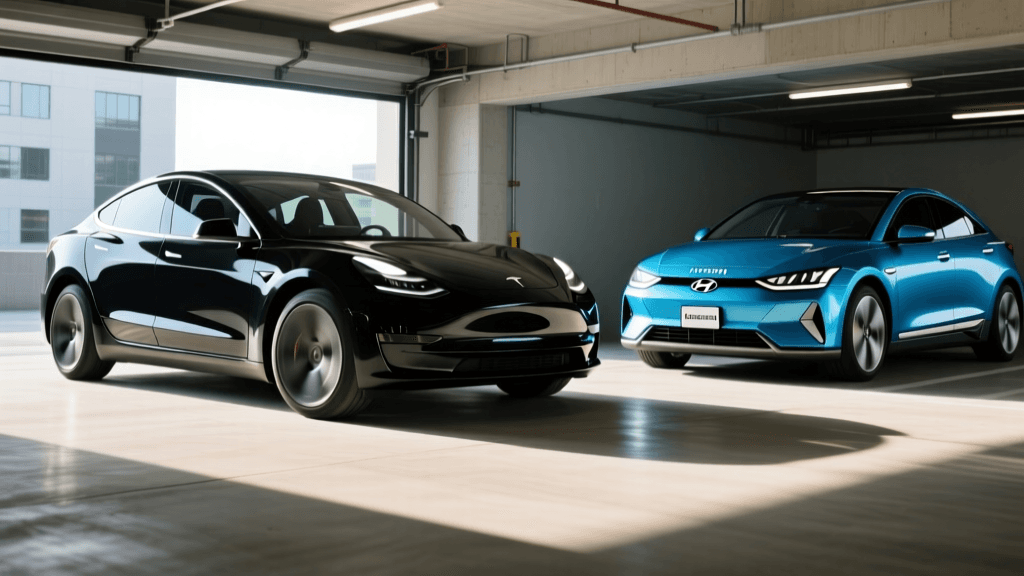
Choosing between the Tesla Model Y and the Hyundai Ioniq 5 is arguably the most common dilemma for modern electric vehicle buyers. Both vehicles dominate the crossover segment, offering cutting-edge technology, spacious interiors, and impressive electric range. However, they approach the EV experience from fundamentally different philosophies. The Model Y leans heavily into software integration, minimalist design, and proprietary charging infrastructure, while the Ioniq 5 champions retro-futuristic styling, ultra-fast 800-volt charging architecture, and versatile vehicle-to-load capabilities.
If you are trying to decide which EV deserves a spot in your driveway, you need a structured approach to evaluate their real-world range and overall financial value. This comprehensive how-to guide will walk you through the exact steps to compare the Tesla Model Y and Hyundai Ioniq 5, ensuring you make a data-driven decision tailored to your specific lifestyle, commute, and budget.
Step 1: Assess Your Real-World Range Requirements
The first step in your evaluation process is to move beyond the EPA-estimated range stickers and calculate how these vehicles perform in your specific driving conditions. According to the U.S. Department of Energy EV comparison tool, the Tesla Model Y Long Range All-Wheel Drive (AWD) boasts an EPA-estimated range of 310 miles. In contrast, the Hyundai Ioniq 5 Long Range AWD is rated for 290 miles, while its Rear-Wheel Drive (RWD) variant pushes slightly higher to 303 miles.
However, EPA estimates do not tell the whole story. To accurately compare range, follow these actionable steps:
- Calculate Your Highway vs. City Ratio: EVs are more efficient in the city due to regenerative braking. The Model Y typically excels in mixed driving and city environments thanks to its exceptional aerodynamic drag coefficient and heat pump efficiency. If your commute is 90 percent stop-and-go traffic, the Model Y will likely yield a higher percentage of its EPA estimate.
- Factor in Winter Degradation: Cold weather impacts all lithium-ion batteries, but Tesla's advanced thermal management system and octovalve heat pump generally preserve range better in freezing temperatures. If you live in a climate with harsh winters, expect the Ioniq 5 to lose roughly 20 to 30 percent of its range, while the Model Y may only lose 15 to 20 percent.
- Use Route Planning Apps: Before purchasing, plug your most common road trip routes into A Better Routeplanner (ABRP). Input the specific vehicle models to see how many stops you will need and how long you will spend charging on your actual travel corridors.
Step 2: Compare Charging Speeds and Network Reliability
Range is only half of the equation; how quickly you can replenish that range dictates the true value of an EV for road tripping. This is where the engineering philosophies of Tesla and Hyundai diverge significantly.
How to evaluate the Tesla Supercharger advantage: The Model Y relies on the Tesla Supercharger network, widely considered the gold standard for EV charging reliability. While the Model Y's peak charging speed is capped around 250 kW at V3 Superchargers (taking roughly 25 to 30 minutes to charge from 10 to 80 percent), the plug-and-play reliability is unmatched. You simply plug in, and the car handles the billing and routing automatically. Furthermore, with the industry shifting toward the North American Charging Standard (NACS), Tesla's network is becoming the default for all future EVs, solidifying its long-term infrastructure value.
How to leverage the Ioniq 5's 800-Volt Architecture: The Hyundai Ioniq 5 is built on the E-GMP platform, which features an 800-volt electrical architecture. This allows it to accept peak charging rates of up to 350 kW. If you can locate a functional Electrify America or Ionity 350 kW charger, the Ioniq 5 can charge from 10 to 80 percent in just 18 minutes. This is a massive advantage for highway road trippers who frequently use public DC fast-charging corridors. However, you must audit your local charging networks. If your local 350 kW chargers are frequently broken or occupied, you will not realize the Ioniq 5's peak charging value.
Step 3: Calculate the True Financial Value and TCO
Determining the better value requires looking past the sticker price and calculating the Total Cost of Ownership (TCO). Both vehicles compete fiercely in the mid-50,000 dollar price bracket, but incentives and depreciation can swing the pendulum.
How to apply Federal Tax Credits: As of the current tax year, both the Tesla Model Y (built in Fremont and Austin) and the Hyundai Ioniq 5 (now built in the new Georgia Metaplant) qualify for the full 7,500 dollar Federal Clean Vehicle Credit, provided you meet the income caps and MSRP limits. You can verify the latest manufacturer and battery sourcing requirements directly on the IRS Clean Vehicle Credit Guidelines page. Be sure to ask the dealership about transferring the credit at the point of sale to instantly reduce your down payment.
How to factor in depreciation and insurance: Historically, Teslas have experienced steeper depreciation curves due to aggressive price cuts on new models. The Ioniq 5 has held its value relatively well, though early models faced some software-related recalls that slightly impacted used market confidence. Insurance premiums for the Model Y tend to be higher due to the cost of Tesla body repairs and proprietary parts. Request insurance quotes for both specific VINs in your zip code before signing any paperwork.
Pro Tip: Do not forget to factor in home charging installation costs. The Model Y comes with a Mobile Connector, but you will need to purchase and install a 240-volt NEMA 14-50 outlet or a dedicated Tesla Wall Connector. The Ioniq 5 does not include a charging cable in the box, meaning you will need to budget an additional 400 to 600 dollars for a high-quality Level 2 home charger like the ChargePoint Home Flex.
Step 4: Match Interior Utility and Tech to Your Lifestyle
The final step in your head-to-head comparison is evaluating how the physical space and technology align with your daily habits.
Evaluating Cargo and Space: The Model Y is a traditional crossover hatchback with a sloping roofline, offering immense cargo capacity (up to 76.2 cubic feet with seats folded) and a highly usable front trunk (frunk). The Ioniq 5 features a much longer wheelbase, translating to superior rear legroom and a completely flat floor, making it feel more like a spacious lounge. However, its sloping rear hatch slightly compromises maximum vertical cargo space compared to the Model Y.
Assessing Tech and V2L Capabilities: If you are an outdoor enthusiast or want backup power during grid outages, the Ioniq 5 is the clear winner. It features Vehicle-to-Load (V2L) technology, allowing you to plug standard 120-volt household appliances directly into the car to draw up to 3.6 kW of power. You can run a coffee maker, power a campsite, or even keep your home refrigerator running during a blackout. Conversely, the Model Y wins on software integration. Features like Sentry Mode, Dog Mode, built-in streaming, and over-the-air software updates provide a highly connected, smartphone-like experience that Hyundai's infotainment system currently cannot match.
Head-to-Head Data Comparison Table
To help you visualize the hard data, review this side-by-side comparison of the most popular dual-motor, long-range trims for both vehicles.
| Specification | Tesla Model Y Long Range AWD | Hyundai Ioniq 5 Long Range AWD |
|---|---|---|
| Base MSRP (Approx.) | 48,990 dollars | 52,600 dollars |
| EPA Estimated Range | 310 miles | 290 miles |
| Battery Capacity | 75 kWh (usable) | 77.4 kWh (usable) |
| Peak DC Fast Charge Rate | 250 kW | 350 kW (via 800V architecture) |
| 10-80% Charge Time (Peak) | ~27 minutes | ~18 minutes |
| 0-60 mph Acceleration | 4.8 seconds | 5.1 seconds |
| Cargo Space (Behind Rear Seats) | 30.2 cu ft | 27.2 cu ft |
| Vehicle-to-Load (V2L) | No | Yes (Up to 3.6 kW) |
| Front Trunk (Frunk) | Yes (4.1 cu ft) | Yes (Small, 0.85 cu ft) |
Final Verdict: How to Make Your Decision
Ultimately, the choice between the Tesla Model Y and the Hyundai Ioniq 5 comes down to your specific priorities regarding infrastructure, software, and utility. According to data from the Alternative Fuels Data Center, the expanding public charging network makes both vehicles viable for cross-country travel, but the ownership experience remains distinct.
Choose the Tesla Model Y if: You prioritize seamless software integration, maximum cargo utility, and the unmatched reliability of the Tesla Supercharger network. It is the ultimate 'set it and forget it' EV for buyers who want the most frictionless road-trip experience and industry-leading efficiency in cold weather.
Choose the Hyundai Ioniq 5 if: You value ultra-fast 800V charging speeds on public networks, prefer physical buttons and a more traditional, spacious cabin layout, and want the incredible versatility of V2L power for camping and emergencies. It is the ideal choice for design-conscious buyers who want cutting-edge hardware architecture and a more comfortable, quiet ride quality.
By following this step-by-step guide and auditing your personal commute, local charging infrastructure, and financial incentives, you can confidently select the EV that delivers the best range and value for your unique lifestyle.