Introduction to the Electric Truck Revolution
Welcome to the beginner's complete guide to the two most polarizing and innovative electric vehicles on the market today: the Tesla Cybertruck and the Rivian R1T. For decades, the pickup truck segment was dominated by traditional, gas-powered giants from Ford, Chevrolet, and Ram. However, the automotive landscape has shifted dramatically. Today's EV trucks are not just compliance vehicles; they are high-performance, tech-forward machines capable of out-towing and out-accelerating their internal combustion counterparts. But with two radically different approaches to the electric truck formula, how do you choose? In this comprehensive head-to-head comparison, we will break down everything from range and charging speeds to interior utility and off-road capability, helping you decide which futuristic truck deserves a spot in your driveway.
Exterior Design and Build Quality
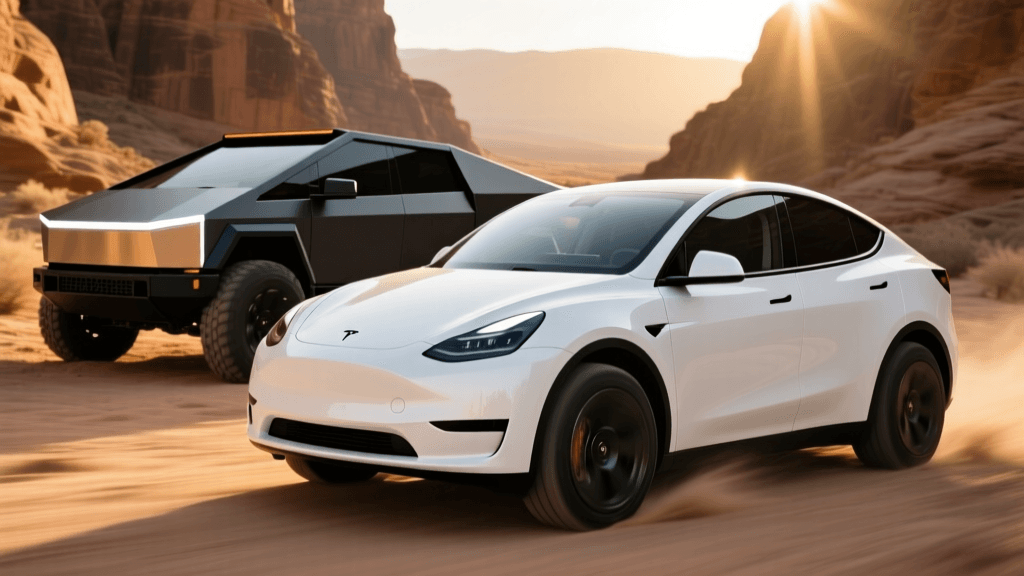
The Tesla Cybertruck is undeniably the most controversial vehicle design of the 21st century. Ditching the traditional body-on-frame truck silhouette, Tesla opted for a brutalist, polygonal exoskeleton made from ultra-hard 30X cold-rolled stainless steel. This material is incredibly resistant to dents and scratches, theoretically reducing long-term cosmetic maintenance. However, its sharp angles and sheer mass make it a polarizing sight on the road. The panel gaps and manufacturing consistency have been points of contention, though Tesla continues to refine its production line.
On the other hand, the Rivian R1T takes a much more approachable, rugged aesthetic that blends modern EV styling with classic truck proportions. It features Rivian's signature stadium oval headlights and a clean, aerodynamic profile. While it uses traditional painted aluminum and steel body panels, which are more susceptible to trail pinstriping and parking lot dings, the R1T looks at home both at a luxury country club and on a muddy forest trail. According to Car and Driver's Rivian R1T overview, the R1T's design prioritizes functional adventure aesthetics over radical futurism, making it an easier pill to swallow for traditional truck buyers transitioning to electric.
Performance and Powertrain Specifications
When it comes to raw power, both vehicles offer mind-bending acceleration that defies their heavy curb weights. The Tesla Cybertruck utilizes a dual-motor or tri-motor setup, featuring a highly advanced steer-by-wire system and 48-volt electrical architecture. The range-topping Cyberbeast model boasts over 800 horsepower and can sprint to 60 mph in a supercar-rivaling 2.6 seconds.
Rivian counters with its innovative Quad-Motor setup, offering independent torque vectoring to each wheel. This not only provides immense straight-line speed but also enables the R1T to perform literal tank turns, spinning in place by rotating the left and right wheels in opposite directions. Below is a quick comparison of their baseline dual-motor configurations to give beginners a sense of the entry-level performance metrics.
| Specification | Tesla Cybertruck (AWD) | Rivian R1T (Dual-Motor) |
|---|---|---|
| Base MSRP | $79,990 | $69,900 |
| Horsepower | 600 hp | 533 hp |
| 0-60 mph | 4.1 seconds | 4.5 seconds |
| Max Towing | 11,000 lbs | 11,000 lbs |
| Bed Length | 6-foot Vault | 4.5-foot Bed |
Range, Charging, and the Network Advantage
Range anxiety is the primary concern for any beginner looking into electric vehicles, and towing with an EV truck drastically reduces those estimates. The Tesla Cybertruck offers an EPA-estimated range of up to 340 miles on the AWD trim, with a range extender option planned for the future that sits in the bed to push that number over 470 miles. The Rivian R1T offers a Standard Battery (around 270 miles), a Large Battery (around 350 miles), and a massive Max Battery pack that pushes the estimate past 400 miles.
Where Tesla holds a distinct advantage is the charging experience. The Cybertruck natively utilizes the North American Charging Standard (NACS) and plugs directly into Tesla's ubiquitous, highly reliable Supercharger network. Rivian originally launched with the CCS standard but has since transitioned to NACS on newer models and provides adapters for older ones. As noted by the Department of Energy's EV charging guide, access to reliable DC fast-charging infrastructure is critical for EV ownership, and while Rivian owners can now access Superchargers via adapters, the native plug-and-play experience of the Cybertruck remains slightly more seamless for road-tripping beginners.
Interior Comfort, Technology, and Utility
Stepping inside the cabin reveals two completely different philosophies regarding daily usability. The Cybertruck interior is aggressively minimalist. There are no physical buttons, no instrument cluster, and no traditional stalks for turn signals or wipers. Everything is controlled via an 18.5-inch center touchscreen, and the optional yoke steering wheel requires a significant learning curve. However, the cabin is surprisingly spacious, featuring a massive panoramic glass roof and a rear bench that comfortably fits three adults. The 6-foot bed, which Tesla calls the Vault, includes a motorized tonneau cover and a built-in ramp, though the sloped roofline makes loading tall items tricky.
The Rivian R1T interior feels more like a premium outdoor lounge. It features high-quality, sustainable materials like vegan leather and real wood accents, along with a dedicated driver display and a center infotainment screen. Rivian's standout feature is the Gear Tunnel, a massive cross-truck storage compartment located between the cab and the bed, perfect for storing golf clubs, camping gear, or even the optional slide-out Camp Kitchen. The R1T's 4.5-foot bed is shorter than the Cybertruck's, but it includes a clever pass-through to the Gear Tunnel, making it vastly superior for adventure-seekers who need organized, secure storage.
Off-Road Prowess and Towing Capabilities
Many buyers assume that heavy EV batteries make for poor off-roaders, but both trucks prove otherwise. The Rivian R1T is widely considered one of the most capable off-road vehicles on the planet. Its quad-motor setup, adjustable air suspension with over 14 inches of ground clearance, and dedicated off-road software modes allow it to crawl over boulders and navigate deep mud with ease. The Car and Driver Tesla Cybertruck review notes that while Tesla's truck is highly capable, it relies more on its adaptive air suspension and rear-wheel steering to navigate tight trails, rather than the mechanical locking differentials found on traditional off-roaders.
Regarding towing, both trucks are rated for an impressive 11,000 pounds. However, beginners must understand that towing near max capacity with any electric truck will cut the driving range in half or more. Tesla includes integrated trailer backup assist and a highly intuitive camera system to help novices hook up and tow safely, while Rivian offers a similar suite of digital aids alongside its robust integrated brake controller.
Pricing, Tax Credits, and Total Cost of Ownership
The financial commitment required for these futuristic trucks is substantial. The Rivian R1T starts at a more accessible price point of $69,900 for the Dual-Motor Standard battery pack, making it eligible for certain state-level incentives, though federal tax credit eligibility fluctuates based on battery sourcing and MSRP caps. The Tesla Cybertruck's pricing has been volatile, but the base AWD model currently hovers around $79,990, pushing it over the federal tax credit threshold for trucks.
When calculating the total cost of ownership, beginners must factor in insurance, which tends to be notably higher for the Cybertruck due to its specialized stainless-steel body panels and complex steer-by-wire components. The Rivian R1T benefits from more traditional repair networks and standard body materials, which can translate to slightly lower insurance premiums and easier collision repairs in the event of an accident.
Final Verdict: Which EV Truck Should You Buy?
Ultimately, the choice between the Tesla Cybertruck and the Rivian R1T comes down to your lifestyle and your tolerance for cutting-edge, unproven technology. The Tesla Cybertruck is the ultimate statement vehicle. It is a rolling tech demo that offers unmatched charging network integration, brutalist styling, and sports-car acceleration. It is best suited for tech enthusiasts, early adopters, and those who primarily drive on pavement but want the ultimate futuristic flex.
The Rivian R1T, conversely, is the adventurer's dream. It successfully bridges the gap between a luxury SUV and a rugged pickup. With its brilliant Gear Tunnel, sophisticated interior, and genuine rock-crawling credentials, it is the far superior choice for outdoor enthusiasts, campers, and traditional truck buyers who want electric power without sacrificing practical, everyday utility. For the beginner who wants a reliable, highly usable electric truck right out of the gate, the Rivian R1T remains the most well-rounded and sensible choice in this futuristic head-to-head battle.