The Clash of EV Philosophies: Scandinavia Meets Silicon Valley
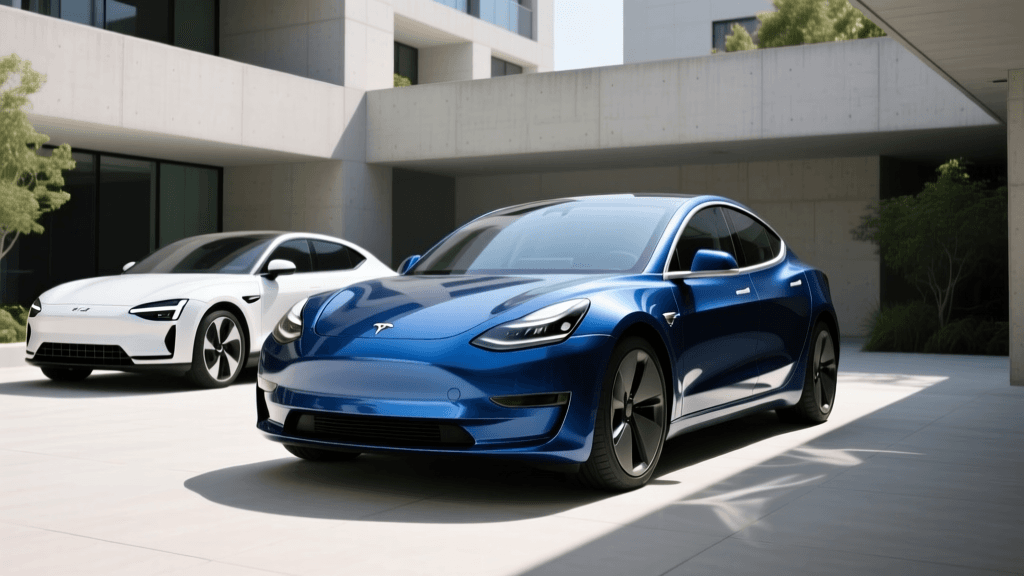
When evaluating the modern electric vehicle market, the conversation often defaults to battery range and zero-to-sixty times. However, as the EV landscape matures, the true differentiator lies in the underlying design philosophies of the manufacturers. Nowhere is this contrast more evident than in the head-to-head battle between the Polestar 2 and the Tesla Model 3. These two premium electric sedans represent fundamentally different approaches to what a car should be. The Polestar 2 embodies a Scandinavian ethos: tactile, sustainable, driver-centric, and grounded in decades of automotive ergonomics. Conversely, the Tesla Model 3 represents the American Silicon Valley approach: software-defined, ruthlessly minimalist, and focused on ecosystem integration over traditional automotive conventions.
For prospective buyers, understanding these divergent philosophies is crucial. Choosing between them is not merely about picking a badge; it is about selecting a daily user experience. In this expert guide, we break down the Scandinavian and American approaches to EV design and provide actionable best practices for ownership, maintenance, and maximizing the unique features of each vehicle.
The Scandinavian Approach: Polestar 2's Tactile Minimalism
Born from Volvo’s heritage in Gothenburg, Sweden, Polestar approaches electric mobility with a focus on sustainability, physical ergonomics, and understated luxury. The Polestar 2 is designed for the driver who appreciates a cockpit that wraps around them, offering physical feedback and intuitive controls. As noted in Car and Driver's Polestar 2 hub, the Scandinavian approach prioritizes a serene, distraction-free environment that still retains the physical buttons necessary for safe, eyes-on-the-road operation.
Inside the Polestar 2, you will find innovative, sustainably sourced materials. The standard WeaveTech upholstery is a high-quality, vegan alternative to leather that reduces environmental impact without sacrificing durability. The reconstructed wood inlays and 3D-etched hex patterns on the dash reflect a design language that is deliberate and crafted. Furthermore, the Polestar 2 utilizes an Android Automotive OS with Google Built-in, seamlessly integrating Google Maps, Google Assistant, and the Play Store directly into the vehicle's 11.2-inch portrait screen.
Expert Tip: Spec'ing the Polestar 2 for Daily Usability
If you lean toward the Scandinavian philosophy, your best practice when ordering is to prioritize the Plus Pack and Pilot Pack. The Plus Pack adds a panoramic glass roof, a premium Harman Kardon audio system, and heated rear seats—essential for cold-climate touring. The Pilot Pack introduces Pilot Assist, which offers incredibly smooth, natural-feeling adaptive cruise control and lane centering that mimics a human driver far better than aggressive, algorithmic steering systems.
The American Approach: Tesla Model 3's Software-Centric Ecosystem
Tesla’s design philosophy is rooted in the tech industry's mantra of disruption. The Model 3, particularly following its recent "Highland" refresh, strips away traditional automotive conventions in favor of a software-first experience. The American approach views the car as a computer on wheels, where over-the-air (OTA) updates continuously refine the vehicle long after it leaves the Fremont or Austin factory floor. Car and Driver's Tesla Model 3 coverage frequently highlights how Tesla's relentless pursuit of manufacturing efficiency and software integration results in a vehicle that feels more like a consumer electronic device than a traditional automobile.
The interior of the refreshed Model 3 is a masterclass in extreme minimalism. Physical stalks for turn signals and wipers have been removed, replaced by steering wheel buttons and screen swipes. The dashboard is entirely devoid of physical buttons, relying instead on a single 15.4-inch touchscreen and a rear 8-inch display for passengers. However, what the Model 3 loses in physical tactility, it makes up for with its unparalleled Supercharger network, industry-leading energy efficiency, and a proprietary software ecosystem that includes native trip planning, battery preconditioning, and advanced driver-assist features like Autopilot and Full Self-Driving (FSD).
Expert Tip: Mastering the Screen-Centric Interface
To thrive in the Tesla ecosystem, you must adapt your muscle memory. Best practice dictates utilizing the steering wheel's left scroll wheel to adjust mirrors and steering column height via the screen, and relying heavily on Tesla’s highly accurate voice command system for climate and navigation adjustments. Additionally, customize your bottom navigation bar to include quick-access shortcuts for the glovebox, charging port, and wiper controls to minimize the number of taps required while driving.
Head-to-Head: Philosophy & Specification Comparison
Below is a structured comparison of how these two distinct philosophies translate into tangible vehicle features and ownership experiences.
| Feature Category | Polestar 2 (Scandinavian Ethos) | Tesla Model 3 (American Ethos) |
|---|---|---|
| Design Philosophy | Tactile, sustainable, driver-focused ergonomics | Minimalist, software-first, screen-centric |
| Interior Materials | WeaveTech, recycled plastics, real wood accents | Vegan leather, textile dash, ultra-clean surfaces |
| Infotainment OS | Google Built-in (Android Automotive) | Proprietary Tesla OS |
| Physical Controls | Retains climate knobs, steering wheel buttons | Almost entirely screen & steering wheel dependent |
| Charging Ecosystem | Relies on public networks (EA, ChargePoint) | Exclusive access to Tesla Supercharger network |
Expert Ownership Tips & Best Practices
Owning an EV requires a shift in maintenance and operational habits. Because the Polestar 2 and Tesla Model 3 utilize different battery chemistries and software architectures, their best practices for longevity and daily use differ significantly.
1. Battery Chemistry and Charging Habits
Understanding your battery chemistry is paramount for long-term health. According to the U.S. Department of Energy, proper charging habits tailored to your specific battery type can significantly extend its lifespan.
- Polestar 2 (NMC Batteries): Most Polestar 2 models use Nickel Manganese Cobalt (NMC) lithium-ion batteries. Best Practice: Set your daily charge limit to 80% or 90%. Only charge to 100% immediately before a long road trip to minimize battery degradation caused by high-state-of-charge stress.
- Tesla Model 3 RWD (LFP Batteries): The standard Range RWD Model 3 uses Lithium Iron Phosphate (LFP) batteries. Best Practice: Tesla recommends charging LFP batteries to 100% at least once a week. This allows the Battery Management System (BMS) to accurately calibrate the cells and prevents range estimation errors.
2. Route Planning and Thermal Preconditioning
- The Tesla Advantage: When driving the Model 3, always use the native Tesla navigation system to route to Superchargers. The car will automatically precondition the battery, warming it to the optimal temperature for ultra-fast charging upon arrival. This is a massive time-saver on road trips.
- The Polestar Workaround: The Polestar 2 relies on Google Maps, which is excellent for traffic but lacks deep integration with the car's thermal management system for third-party chargers. Best Practice: Use the A Better Routeplanner (ABRP) app on your phone or the Polestar's native Android Auto integration to plan long trips. To mimic Tesla's preconditioning, manually turn on the Polestar's climate control 15 minutes before arriving at a fast charger to warm the battery and improve charging speeds.
3. Software Update Protocols
- Tesla: Tesla pushes frequent, massive OTA updates that can change the UI or add features overnight. Always schedule updates for 2:00 AM via the Tesla app and ensure your car is connected to a strong home Wi-Fi network to speed up the download process.
- Polestar: Polestar’s Android Automotive updates are generally less frequent but highly focused on stability and app compatibility. Ensure your Google account is properly synced to automatically download app updates via Wi-Fi, keeping the infotainment system running smoothly without requiring a full vehicle OTA.
The Verdict: Which Philosophy Fits Your Lifestyle?
The choice between the Polestar 2 and the Tesla Model 3 ultimately comes down to how you interact with technology in your daily life. If you value a grounding, tactile driving experience, prioritize sustainable manufacturing, and prefer physical buttons that allow you to adjust the climate without taking your eyes off the road, the Polestar 2's Scandinavian approach is your ideal match. It is a car built for the journey, offering a serene, beautifully crafted cabin that feels distinctly automotive.
On the other hand, if you view your vehicle as an extension of your digital life, prioritize industry-leading energy efficiency, and want the unmatched convenience of the Supercharger network, the Tesla Model 3's American approach is unrivaled. It is a triumph of software engineering and minimalism, perfect for the tech-forward buyer who embraces the future of screen-centric, continuously evolving transportation.