Introduction: The Blueprint of the Budget EV
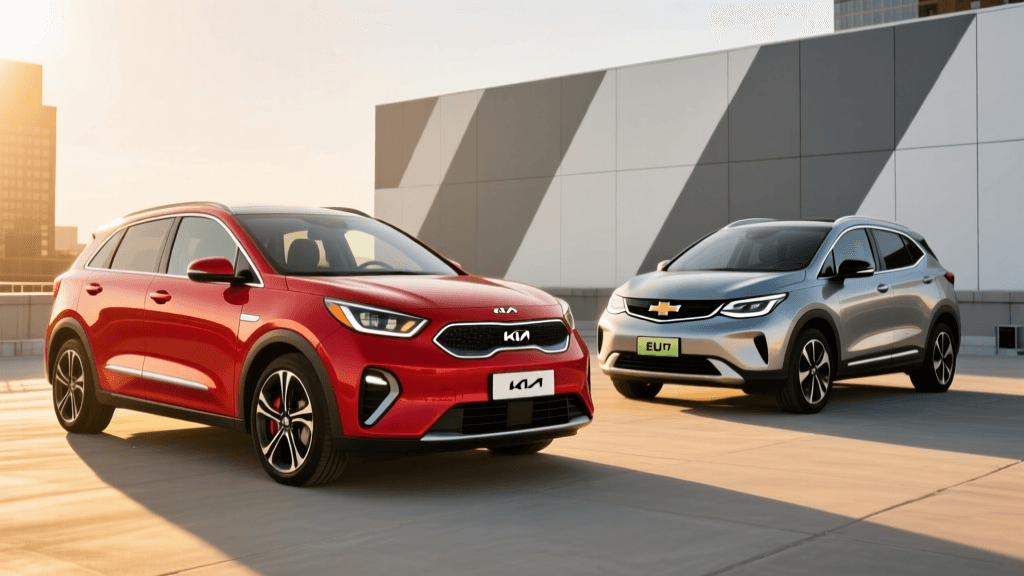
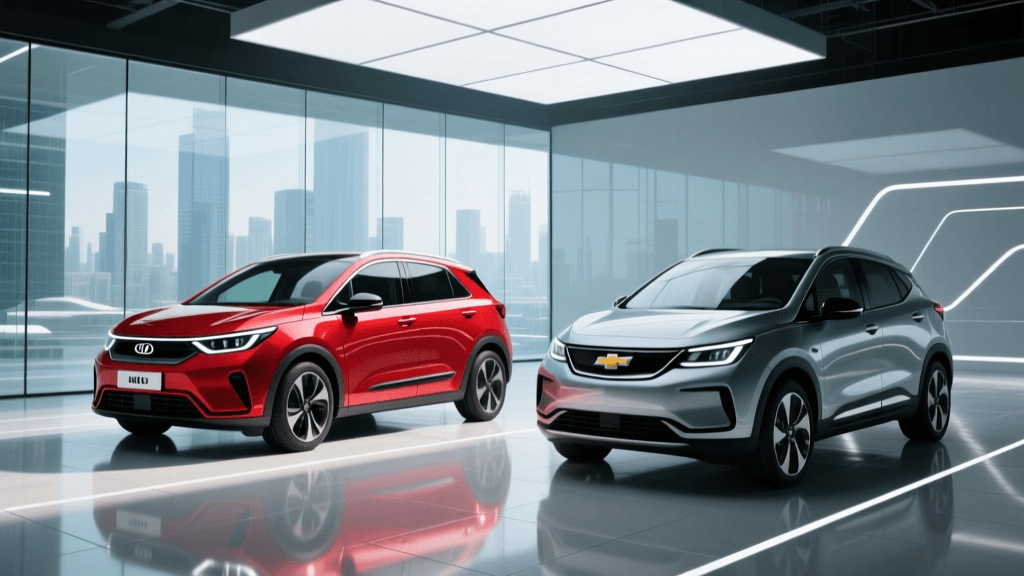
The electric vehicle market is undergoing a seismic shift. As automakers pivot away from ultra-premium, six-figure EVs and scramble to develop the mythical $25,000 electric car, the benchmarks for affordable, practical electric mobility have already been established. The Kia Niro EV and the Chevrolet Bolt EUV are the undisputed kings of this segment. However, looking at the industry through a future trends lens reveals a complex landscape. The Bolt EUV was discontinued after the 2023 model year, cementing its status as a legend on the used market, while the Niro EV continues its production run with premium pricing and updated tech.
How do these two segment-defining vehicles stack up as we look toward 2025 and beyond? With the industry transitioning to new charging standards, evolving battery chemistries, and shifting depreciation curves, comparing the Niro EV and Bolt EUV is no longer just about range and price. It is about future-proofing, total cost of ownership, and how these legacy models will influence the upcoming wave of affordable EVs like the Chevy Equinox EV and the next-generation Bolt.
Battery Chemistry and Long-Term Degradation Outlook
When evaluating a budget EV for long-term ownership or future resale value, battery health is the single most critical metric. Both the Kia Niro EV (equipped with a 64.8 kWh battery) and the Chevrolet Bolt EUV (equipped with a 65.0 kWh battery) offer remarkably similar EPA-estimated ranges, with the Bolt edging out the Niro at 247 miles versus 239 miles. According to the official EPA Fuel Economy EV database, both vehicles achieve exceptional efficiency, hovering around 2.8 to 2.9 kWh per mile.
From an industry outlook perspective, battery degradation is the primary concern for used EV buyers. Fortunately, both vehicles utilize advanced liquid-cooled thermal management systems, a massive upgrade over early passive-cooled EVs. The Bolt EUV uses an LG Energy Solution NCMA/NMC battery pack, while the Niro EV relies on SK On cells. According to Recurrent Auto's extensive battery degradation research, modern liquid-cooled NMC batteries like those found in the Bolt and Niro typically lose less than 10% of their original capacity over 100,000 miles. This data suggests that both vehicles will easily outlast their mechanical components, ensuring strong residual values and reliable daily commuting for second and third owners.
The NACS Charging Network Transition
The most significant future trend impacting current EV owners is the industry-wide migration to the North American Charging Standard (NACS), pioneered by Tesla. This transition creates a distinct divergence in the future-proofing of the Niro EV and the Bolt EUV.
The Chevrolet Bolt EUV is locked into the legacy CCS1 charging standard. While GM has confirmed that future vehicles will adopt NACS natively, current Bolt EUV owners will rely on third-party or OEM-provided adapters to access Tesla Superchargers. While adapters are a viable bridge, they introduce a point of failure and can slightly throttle peak charging speeds. Furthermore, the Bolt EUV's maximum DC fast-charging rate is capped at a relatively sluggish 55 kW, meaning a 10% to 80% charge takes roughly 45 minutes regardless of the network.
Kia, on the other hand, is adopting the native NACS port for its EVs starting in 2025. While current Niro EV models still use CCS, Kia's integration into the broader Hyundai Motor Group ecosystem means better software integration with emerging NACS networks. The Niro EV also boasts a slightly faster peak charging rate of around 85 kW, shaving valuable minutes off road trips. As the public charging infrastructure consolidates around NACS over the next three years, Kia's forward-looking integration will likely give the Niro EV a slight edge in long-term convenience and resale desirability.
Interior Space, Tech, and the Shifting Baseline
The definition of a 'budget' EV interior is rapidly evolving. The Bolt EUV, despite its affordable origins, offers surprising practicality. It boasts 39.1 inches of rear legroom, making it a legitimate family hauler. However, its interior materials and infotainment system reflect its older architecture. The dashboard is dominated by hard plastics, and the 10.2-inch infotainment screen, while functional, lacks the processing speed of modern systems.
The Kia Niro EV, particularly the redesigned 2023+ models, pushes the segment upward. It features a modern, eco-friendly interior with dual 10.25-inch panoramic displays, advanced driver-assistance systems (ADAS), and a more refined ride quality. The Niro EV proves that budget-conscious buyers are increasingly unwilling to compromise on cabin aesthetics and digital integration. As upcoming competitors like the next-gen Bolt and Chevrolet Equinox EV enter the market, they will be forced to match the Niro's interior benchmark, effectively killing off the 'cheap plastic' era of affordable EVs.
Total Cost of Ownership and Depreciation Forecast
EV depreciation has been a volatile topic recently, driven by aggressive price cuts from market leaders and fleet sell-offs. However, budget EVs possess a unique 'price floor.' Because consumer demand for sub-$30,000 electric vehicles vastly outstrips supply, used Bolt EUVs and new Niro EVs are expected to retain their value better than luxury EVs in the coming years.
| Feature & Metric | Kia Niro EV (2023+) | Chevrolet Bolt EUV (2022-2023) |
|---|---|---|
| Battery Capacity | 64.8 kWh | 65.0 kWh |
| EPA Range | 239 miles | 247 miles |
| Max DC Fast Charging | ~85 kW | ~55 kW |
| Charging Port Standard | CCS (Native NACS in 2025) | CCS (Requires Adapter for NACS) |
| Rear Legroom | 38.4 inches | 39.1 inches |
| Future Market Status | Continuing Production | Discontinued (Next-Gen TBD) |
| Est. 5-Year Depreciation | Moderate (Standard Curve) | Low (High Used Demand Floor) |
The Bolt EUV's total cost of ownership (TCO) on the used market is currently unmatched. With federal tax credits historically applied at the point of sale or via used EV credit qualifications, the barrier to entry is incredibly low. The Niro EV's TCO is higher upfront, but buyers benefit from Kia's industry-leading 10-year/100,000-mile powertrain warranty, which provides immense peace of mind regarding battery replacement costs.
Actionable Buying Advice for the Future Market
If you are navigating the budget EV market today with an eye on the future, follow these specific guidelines:
- For Bolt EUV Buyers: Target 2022 or 2023 models to ensure you get the refreshed styling and standard DC fast charging. Crucially, run the VIN through a Chevrolet dealer to verify that the high-voltage battery recall (related to fire risks) has been fully resolved with a new battery pack. A Bolt EUV with a replaced, zero-degradation battery is arguably the best value in the entire automotive market right now.
- For Niro EV Buyers: Avoid the 2019-2022 first-generation models if future tech is a priority, as their charging speeds and interior tech are outdated. Focus exclusively on the 2023+ redesign. Additionally, if you plan to keep the car past 2025, investigate Kia's official NACS adapter program to ensure seamless access to the expanding Tesla Supercharger network.
- Watch the Ultium Horizon: General Motors has confirmed the Bolt nameplate will return on the advanced Ultium platform. As Reuters reported on GM's confirmation of the next-generation Bolt, buyers who are not in an immediate rush may want to wait for the next-gen Bolt, which promises NACS native charging, faster charging speeds, and a modernized interior.
The Final Verdict: Which Budget EV Wins the Future?
The choice between the Kia Niro EV and the Chevrolet Bolt EUV ultimately depends on your timeline and your tolerance for the shifting charging landscape. The Chevrolet Bolt EUV is the undisputed champion of the current used market. Its unbeatable price-to-range ratio, spacious cabin, and proven battery longevity make it the ultimate pragmatic choice for budget-conscious buyers who are willing to use a CCS-to-NACS adapter in the coming years.
However, the Kia Niro EV wins the outlook for buyers purchasing new or certified pre-owned who prioritize modern technology, faster charging speeds, and long-term warranty coverage. As the industry transitions to NACS and demands higher-quality interiors in affordable cars, the Niro EV represents the modern blueprint that future budget EVs will be forced to emulate. Both vehicles have secured their legacy, but your personal charging needs and budget will dictate which blueprint is right for your driveway.