How to Evaluate and Maximize EV Efficiency: Tesla Model 3 vs. Hyundai Ioniq 6
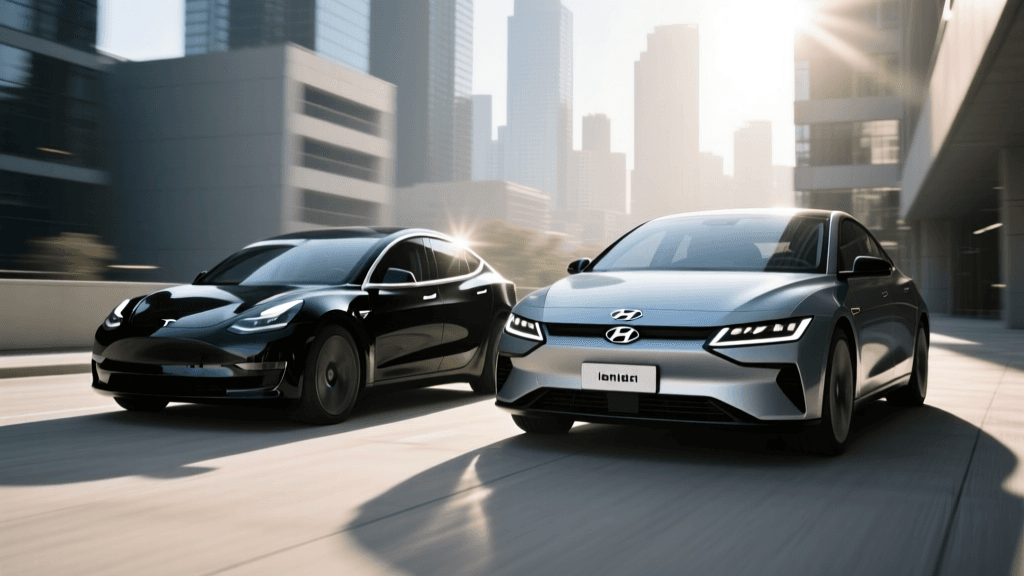
When shopping for a premium electric sedan, efficiency is the ultimate equalizer. It dictates not only how far you can drive on a single charge but also how much you will spend on electricity over the lifespan of the vehicle. In the current market, the Tesla Model 3 and the Hyundai Ioniq 6 stand out as the undisputed kings of aerodynamic efficiency and electrical mileage. But how do you accurately compare them, and more importantly, how do you maximize their potential in your daily life?
This comprehensive how-to guide will walk you through a step-by-step head-to-head comparison of the Tesla Model 3 Long Range and the Hyundai Ioniq 6 SE Long Range. We will break down official ratings, real-world aerodynamics, charging architectures, and actionable steps you can take to squeeze every last mile out of your battery.
Step 1: Decode the EPA Ratings and MPGe Metrics
The first step in comparing EV efficiency is understanding the official metrics. The Environmental Protection Agency (EPA) uses MPGe (Miles Per Gallon equivalent) to measure how far an EV can travel on 33.7 kWh of electricity—the energy equivalent of one gallon of gasoline. According to the U.S. Department of Energy's EV technology guidelines, evaluating these metrics is crucial for understanding a vehicle's baseline electrical consumption.
| Efficiency Metric | Tesla Model 3 (Long Range AWD) | Hyundai Ioniq 6 (SE Long Range RWD) |
|---|---|---|
| Usable Battery Capacity | ~75 kWh | 77.4 kWh |
| EPA Estimated Range | 341 miles | 361 miles |
| Combined MPGe | 134 MPGe | 140 MPGe |
| Energy Consumption (kWh/100mi) | 25 kWh/100mi | 24 kWh/100mi |
| Drag Coefficient (Cd) | 0.219 | 0.21 |
Actionable Advice: Do not just look at total range; look at the kWh/100mi metric. The Ioniq 6's slightly lower consumption (24 kWh/100mi) means it requires less energy to move down the road, which translates directly to lower charging costs and less heat degradation on the battery over time.
Step 2: Leverage Aerodynamics for Highway Driving
At highway speeds, over 60% of an EV's energy is spent simply pushing air out of the way. This is where the head-to-head comparison gets fascinating. The Hyundai Ioniq 6 was designed in a wind tunnel, featuring a teardrop silhouette, active air flaps, and a remarkably low drag coefficient of 0.21. As noted in Car and Driver's comprehensive Ioniq 6 review, this slippery shape allows the Hyundai to maintain exceptional efficiency even at 75 mph.
The refreshed Tesla Model 3 (Highland) has also made massive strides, incorporating new aero wheels, a reshaped front bumper, and flush door handles to drop its Cd to an impressive 0.219. While Car and Driver's Tesla Model 3 testing highlights its incredible highway stability, the Tesla is slightly more sensitive to crosswinds and roof-mounted cargo than the Ioniq 6.
How to Maximize Highway Efficiency in Both Vehicles:
- Speed Management: Efficiency drops exponentially after 65 mph. Set your adaptive cruise control to 68-70 mph to see a 10-15% increase in real-world range in either vehicle.
- Remove Exterior Accessories: Roof racks and cargo boxes can destroy the Ioniq 6's 0.21 Cd advantage and severely impact the Model 3's range. Use the trunk or a hitch-mounted cargo carrier (if equipped) instead.
- Wheel Selection: If you are ordering new, choose the 18-inch aero wheels on the Model 3 or the 18-inch standard wheels on the Ioniq 6. Upgrading to 20-inch sport wheels will cost you roughly 5-8% of your total range.
Step 3: Compare and Optimize Charging Architectures
Efficiency isn't just about how far you can drive; it's about how quickly you can replenish the battery. This is where the two vehicles diverge significantly in their underlying engineering.
The Hyundai Ioniq 6 utilizes an 800-volt electrical architecture. When plugged into a 350-kW DC fast charger, the Ioniq 6 can charge from 10% to 80% in approximately 18 minutes. The Tesla Model 3 relies on a traditional 400-volt architecture. While Tesla's V3 Superchargers (250 kW) are incredibly reliable and abundant, the Model 3 takes roughly 25 to 30 minutes to achieve the same 10-80% state of charge.
How to Plan Your Road Trips:
- For Ioniq 6 Owners: Use the PlugShare or Electrify America apps to filter specifically for 350-kW chargers. Plugging into a 50-kW or 150-kW charger negates your 800V advantage. Always precondition the battery using the vehicle's navigation system before arriving at the charger.
- For Model 3 Owners: Rely on the native Tesla navigation. The vehicle's battery management system (BMS) is industry-leading and will automatically precondition the battery for optimal charging speeds when a Supercharger is set as your destination.
Step 4: Configure Your EV for Maximum Daily Efficiency
Both the Model 3 and the Ioniq 6 offer deep software customization that directly impacts your daily energy consumption. Follow this checklist to configure your vehicle for maximum efficiency during your daily commute.
Climate Control Strategies
Heating the cabin air is one of the biggest drains on an EV battery. Both vehicles feature heat pumps, which are vastly more efficient than older resistive heaters. However, you can take it a step further:
- Use Seat and Steering Wheel Heaters: In mild cold weather (40°F - 55°F), turn the cabin climate down to 65°F and rely on the seat heaters. This localized heating uses a fraction of the wattage required to heat the entire cabin volume.
- Precondition While Plugged In: Schedule your departure time in the Tesla app or Hyundai Bluelink app while the car is still plugged into your home Level 2 charger. This uses grid power to warm the battery and cabin, saving your battery's stored energy for the actual drive.
Tire Pressure and Rolling Resistance
EVs are heavy, and under-inflated tires will destroy your MPGe. Check your door jamb sticker. The Tesla Model 3 typically requires a high 42 PSI across all four corners, while the Ioniq 6 usually sits around 36-38 PSI depending on the wheel size. Check pressures monthly, as a drop of just 3 PSI can reduce your efficiency by 2-3%.
Step 5: Calculate Your Personal Total Cost of Ownership (TCO)
To truly compare these vehicles for your specific lifestyle, you must calculate your personal efficiency cost. Here is the formula to use:
(Annual Miles ÷ 100) × (Vehicle kWh/100mi) × (Local Electricity Rate per kWh) = Annual Fuel Cost
Example Calculation (12,000 miles/year, $0.16/kWh local rate):
- Tesla Model 3: (120) × 25 kWh × $0.16 = $480 / year
- Hyundai Ioniq 6: (120) × 24 kWh × $0.16 = $460.80 / year
While the annual difference in home charging costs is minimal (less than $20), the Ioniq 6's superior efficiency shines when you factor in public DC fast charging, which often costs between $0.40 and $0.60 per kWh. On road trips, the Ioniq 6's lower consumption will save you noticeably more money at the charging pedestal.
Final Verdict: Which Efficient EV Should You Choose?
Both the Tesla Model 3 and the Hyundai Ioniq 6 are masterclasses in EV efficiency, but they serve slightly different priorities.
Choose the Hyundai Ioniq 6 if: Your primary goal is maximizing raw MPGe, you frequently take long highway road trips where the 800V ultra-fast charging architecture will save you time, and you prefer a quiet, isolated, and highly aerodynamic cabin.
Choose the Tesla Model 3 if: You value the unmatched convenience and reliability of the Supercharger network, you need the practicality of a hatchback trunk, and you prefer a more engaging, sporty driving dynamic that still delivers top-tier efficiency.
By following the steps in this guide—optimizing your aerodynamics, managing your climate control, and understanding your local charging infrastructure—you will be able to extract the maximum possible range and value from either of these outstanding electric vehicles.