The Clash of EV Philosophies: Scandinavia Meets Silicon Valley
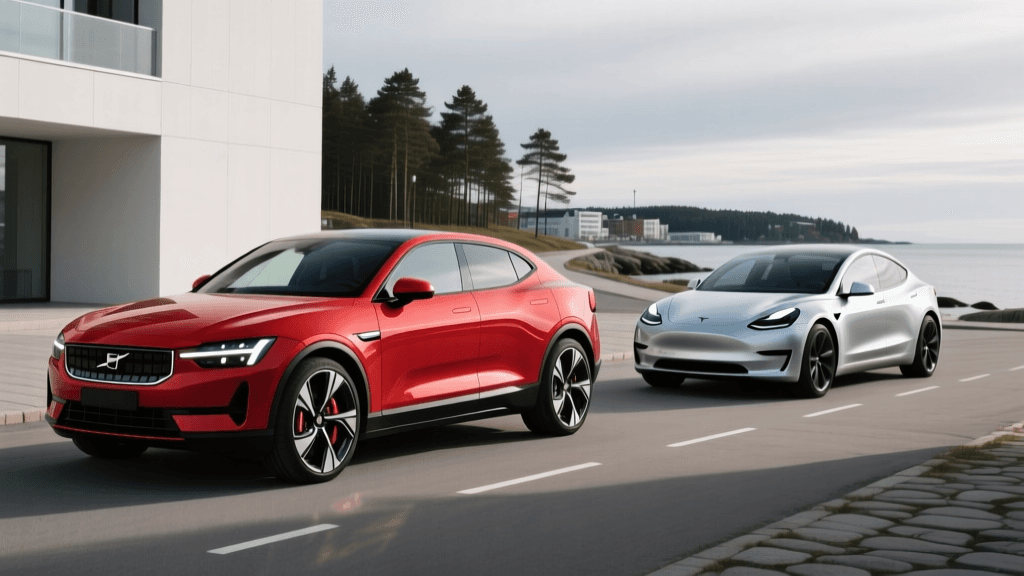
When navigating the premium electric sedan market, buyers inevitably face a fascinating ideological crossroads: the meticulous, safety-obsessed Scandinavian approach of the Polestar 2 versus the rapid, tech-centric American innovation of the Tesla Model 3. While both vehicles aim to electrify the daily commute and the weekend road trip, they execute this mission with vastly different methodologies. As an automotive expert, I frequently see buyers focus solely on the badge or the price tag, missing the nuanced daily ownership experience each brand provides. This head-to-head comparison will dissect the design, technology, charging ecosystems, and long-term ownership realities of these two EV titans, providing actionable best practices to help you maximize whichever platform you choose.
Design & Interior: Tactile Premium vs. Utilitarian Minimalism
The interior of the Polestar 2 is a masterclass in Scandinavian restraint and tactile satisfaction. Polestar deliberately retains physical controls for critical functions like climate control and media volume, recognizing that taking your eyes off the road to navigate a touchscreen for basic adjustments is a safety hazard. The cabin features WeaveTech vegan upholstery, which feels remarkably akin to high-end wetsuit material—durable, easy to clean, and distinctly premium. The driving position is low, cocooning, and reminiscent of a traditional sports sedan, heavily influenced by Polestar’s Volvo lineage.
Conversely, the Tesla Model 3 (especially the recent "Highland" refresh) embraces radical minimalism. The cabin is dominated by a single 15.4-inch floating touchscreen that handles everything from windshield wiper intensity to glovebox release. The Highland update introduced ambient lighting, ventilated seats, and acoustic glass, significantly closing the NVH (noise, vibration, and harshness) gap that plagued earlier Model 3 iterations. However, the lack of physical stalks for turn signals and gear selection requires a behavioral adaptation that not all drivers find intuitive.
Expert Tip: Adapting to the Interfaces
For Polestar 2 Owners: Take advantage of the Google Automotive OS by setting up personalized driver profiles. Map your most-used navigation waypoints and link your Google account to sync calendar events directly to the car’s navigation system, allowing the car to precondition the battery automatically before you even step inside.
For Tesla Model 3 Owners: To mitigate the learning curve of the screen-based turn signals and gear slider, spend your first week in a low-stress environment. Customize your touchscreen bottom bar to include quick-access toggles for climate and media, reducing the number of taps required for daily adjustments.
Performance, Range, and Efficiency Breakdown
Efficiency is where the American engineering approach historically shines, though the Swedes have made remarkable strides. Below is a direct comparison of the most popular dual-motor, all-wheel-drive configurations for the current model year.
| Specification | Polestar 2 Long Range Dual Motor | Tesla Model 3 Long Range AWD |
|---|---|---|
| EPA Estimated Range | 276 miles | 341 miles |
| Power Output | 421 hp / 546 lb-ft torque | ~427 hp / 495 lb-ft torque |
| 0-60 mph Acceleration | 4.1 seconds (w/ Performance Pack) | 4.2 seconds |
| Max DC Fast Charging | 200 kW | 250 kW |
| Cargo Space (Trunk + Frunk) | 14.4 cu ft + 1.2 cu ft | 21.0 cu ft + 3.1 cu ft |
According to the EPA's Green Vehicle Guide, the Tesla Model 3 consistently ranks at the top of its class for MPGe (Miles Per Gallon equivalent) due to its industry-leading aerodynamic drag coefficient and highly efficient silicon carbide powertrain inverters. The Polestar 2, with its more traditional fastback silhouette and heavier curb weight, sacrifices some range for a stiffer, more planted chassis feel.
Expert Tip: Maximizing Range and Battery Health
Regardless of which vehicle you choose, battery management is critical for longevity. Both vehicles utilize liquid-cooled lithium-ion battery packs. Best Practice: Set your daily charge limit to 80% for both vehicles to minimize lithium plating and battery degradation. Only charge to 100% immediately before embarking on a long road trip. Furthermore, utilize the "Scheduled Departure" feature in both the Polestar and Tesla apps to precondition the battery while the car is still plugged into your home Level 2 charger. This ensures the battery is at optimal operating temperature, preserving range and allowing for immediate regenerative braking capability, even in freezing weather.
Software Ecosystem and the Charging Reality
The software experience represents the sharpest divergence between the two brands. The Tesla Model 3 operates on a proprietary, closed-loop ecosystem. The native navigation, Supercharger routing, and Tesla app integration are seamless. When you plug into a Supercharger, authentication and billing happen automatically. The Over-the-Air (OTA) updates are frequent, often introducing entirely new UI paradigms or gaming features.
The Polestar 2 relies on Google Built-in. This means Google Maps, Google Assistant, and the Google Play Store are native to the car. The voice recognition is vastly superior to Tesla’s, allowing you to adjust cabin temperature by specific zones or find niche local businesses with the same accuracy as your smartphone. However, third-party app integration (like native Spotify or Apple CarPlay) can sometimes feel like an afterthought compared to Tesla’s deeply integrated media players.
Expert Tip: Navigating the Charging Networks
The charging landscape has shifted dramatically. Historically, the Tesla Supercharger network was an exclusive moat. Today, Tesla has opened thousands of Superchargers to non-Tesla EVs via the Tesla app and NACS (North American Charging Standard) adapters.
- For Polestar Drivers: Invest in an official NACS adapter or ensure your newer Polestar is equipped with the native NACS port. Use the Tesla app to locate and activate Superchargers. Additionally, Polestar supports "Plug & Charge" on networks like Electrify America, meaning you simply plug in and the car handles the payment automatically—no app fiddling required.
- For Tesla Drivers: While you have native access to Superchargers, download apps like PlugShare or A Better Routeplanner (ABRP) for redundancy. When traveling through rural areas, knowing the locations of reliable CCS networks can save you from being stranded if a Supercharger stall is occupied by an ICE vehicle or undergoing maintenance.
The Department of Energy's Alternative Fuels Data Center notes that the interoperability of charging networks is rapidly improving, but having multiple network accounts (Tesla, Electrify America, EVgo) pre-loaded on your smartphone remains a vital best practice for cross-country EV travel.
Safety, ADAS, and Build Quality
Safety is where Polestar’s Volvo DNA is most evident. The Polestar 2 is built like a vault, featuring an SPOC (Severe Partial Overlap Crash) block on both sides of the front structure to deflect debris away from the battery pack in the event of a collision. Its Pilot Assist system is conservative, predictable, and requires gentle steering inputs, keeping the driver firmly in the loop.
The Tesla Model 3 relies on Tesla Vision, a camera-only approach that eschews radar and LiDAR. While Autopilot and Full Self-Driving (FSD) capabilities are technologically staggering, they can occasionally suffer from "phantom braking" (sudden deceleration on clear highways) or overly aggressive lane centering. However, Tesla’s active safety features, such as automatic emergency braking and side-collision warning, are exceptionally responsive.
For deep insights into how these systems perform under stress, the IIHS ADAS testing protocols highlight the importance of robust driver monitoring systems. Polestar’s capacitive steering wheel detects touch, whereas Tesla relies on torque sensors and cabin cameras to ensure driver attention. Both vehicles consistently earn top marks in crashworthiness, but Polestar often edges out Tesla in pedestrian safety and headlight effectiveness ratings.
Total Cost of Ownership (TCO) & Maintenance
When calculating the TCO, look beyond the sticker price. The Tesla Model 3 generally benefits from lower depreciation rates and a massive used-market demand, protecting your resale value. Maintenance on the Model 3 is virtually limited to tire rotations, cabin air filter replacements, and wiper fluid.
The Polestar 2, while slightly more expensive to insure in some metropolitan areas due to specialized Volvo/Polestar body repair requirements, often comes with complimentary scheduled maintenance for the first few years, depending on the current promotional offers. Furthermore, Polestar’s inclusion of over-the-air performance upgrades (which can unlock horsepower and torque) adds unique long-term value to the hardware you already own.
Expert Buying Checklist: Which EV is Right for You?
Before signing the lease or purchase agreement, ask yourself these critical questions:
- Do I prefer physical controls or a screen-first experience? If you hate digging through menus to turn on the seat heater, buy the Polestar 2.
- What is my typical road trip route? If you frequently drive through remote areas where third-party chargers are sparse, the Tesla Supercharger network (even with its recent openings to other brands) still offers the most reliable, high-speed routing experience.
- How important is cargo versatility? If you regularly haul golf clubs, camping gear, or large luggage, the Tesla Model 3’s traditional sedan trunk and larger frunk offer significantly more utility than the Polestar 2’s hatchback design.
- What is my smartphone ecosystem? If you are deeply embedded in Google services, the Polestar’s native integration will feel like an extension of your digital life. If you prefer a standalone, proprietary ecosystem that works flawlessly out of the box, Tesla is the answer.
The Final Verdict
The Tesla Model 3 remains the undisputed king of efficiency, range, and software integration. It is the ultimate appliance for the tech-savvy commuter who values maximum range, rapid charging, and cutting-edge autonomous features. It is the pragmatic, data-driven choice.
The Polestar 2 is the driver’s choice for those who view a car as more than a rolling computer. It offers a serene, beautifully crafted cabin, predictable and safe ADAS, and a chassis that genuinely enjoys being pushed on a winding road. It is the emotional, design-driven choice. By applying the expert charging and software tips outlined above, you can ensure that whichever philosophy you align with, your EV ownership experience will be seamless, efficient, and deeply rewarding.