Introduction: The Battle for Electric SUV Supremacy
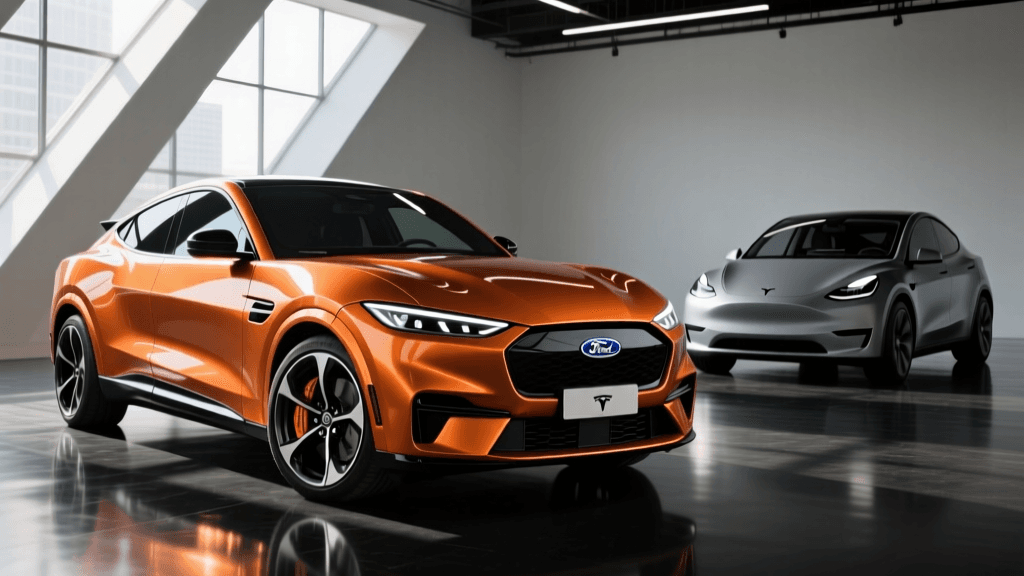
When it comes to mainstream electric SUVs, the Ford Mustang Mach-E and the Tesla Model Y dominate the conversation. Both vehicles offer thrilling acceleration, cutting-edge technology, and practical cargo space. However, for the pragmatic buyer, the ultimate deciding factor often comes down to the wallet. Which of these electric heavyweights provides the best long-term financial value? In this comprehensive cost and value breakdown, we will look past the 0-60 mph times and dive deep into purchase prices, depreciation, charging economics, insurance premiums, and total cost of ownership (TCO) to help you make the smartest financial decision for your next EV purchase.
Sticker Price and Trim Configurations
The initial purchase price is the most immediate financial hurdle. Both Ford and Tesla have aggressively adjusted their pricing strategies over the past year to combat rising interest rates and fierce market competition. The Tesla Model Y Long Range AWD typically starts in the high $40,000 range, while the Ford Mustang Mach-E Premium AWD (with the Extended Range battery) sits in a very similar bracket, often hovering around $45,000 to $48,000 before incentives.
However, Ford frequently offers aggressive retail cash incentives and lease bonuses that can artificially lower the out-of-pocket cost of the Mach-E. Tesla, conversely, tends to offer low-APR financing deals or short-term inventory discounts rather than direct cash rebates. When comparing the performance variants—the Model Y Performance and the Mach-E GT—the Tesla maintains a slight price advantage, often undercutting the Ford GT by several thousand dollars while delivering marginally better range and access to the native Supercharger network.
The Hidden Costs: Depreciation and Resale Value
Depreciation is the silent killer of automotive wealth. Historically, Tesla enjoyed class-leading retention rates, but aggressive price cuts on new models over the last 18 months have severely impacted the used market values of the Model Y. Early adopters who bought at the peak of Tesla's pricing have seen steep depreciation curves.
The Mustang Mach-E has experienced its own depreciation challenges, largely due to the general cooling of the used EV market and battery health concerns among second-hand buyers. However, because Ford's initial MSRPs were slightly more grounded and supported by traditional dealership negotiation, the percentage drop from the actual transaction price to the current used market value is somewhat comparable between the two. If you plan to hold the vehicle for 7 to 10 years, depreciation matters less. If you lease or trade in every three years, expect to take a similar financial hit with either vehicle, though leasing currently offers the best protection against EV depreciation volatility.
Charging Economics: Superchargers vs. Home Level 2
Where you charge dictates how much you pay. According to the Alternative Fuels Data Center (AFDC), charging an EV at home using the national average electricity rate of roughly $0.16 per kWh is vastly cheaper than fueling a comparable gas vehicle. For a 75 kWh battery, a full home charge costs around $12.00.
Tesla's proprietary Supercharger network has long been a massive value-add, offering reliable, fast, and relatively affordable public charging (averaging $0.25 to $0.35 per kWh). Ford Mustang Mach-E owners previously relied on the Electrify America network, which can be more expensive and occasionally less reliable. However, Ford has secured access to the Tesla Supercharger network via a NACS (North American Charging Standard) adapter. This dramatically shifts the value proposition, giving Mach-E owners the same reliable public charging infrastructure as Tesla drivers. Ultimately, if you can install a Level 2 home charger (a one-time investment of $500 to $1,200 for hardware and installation), the daily running costs of both SUVs are virtually identical and pennies per mile compared to internal combustion engines.
Insurance Premiums and Maintenance
Insurance is a major line item in the TCO of any electric vehicle. The Tesla Model Y has historically carried higher insurance premiums than the Mach-E. This is primarily due to Tesla's direct-to-consumer repair model, the high cost of proprietary parts, and the structural integration of the battery pack, which can lead to total-loss declarations from minor accidents. While Tesla has introduced insurance products in select states to mitigate this, national averages still skew higher for the Model Y.
The Ford Mustang Mach-E benefits from Ford's traditional, vast dealer network and third-party collision repair centers, which generally results in slightly more favorable insurance quotes. Regarding maintenance, both vehicles require minimal upkeep. You will save thousands over five years by eliminating oil changes, spark plugs, and transmission fluid flushes. Both require cabin air filter replacements, wiper fluid, and tire rotations. Be aware that EVs are heavier and produce instant torque, meaning you will likely go through tires 20% faster than on a gas-powered SUV. Budgeting for a premium set of EV-specific touring tires every 30,000 miles is a necessary cost for both models.
Federal Incentives and Point-of-Sale Rebates
The financial landscape of EV buying is heavily influenced by federal tax policy. According to the Internal Revenue Service (IRS), qualifying EVs can receive up to a $7,500 Clean Vehicle Tax Credit. As of 2024, buyers can transfer this credit to the dealer at the point of sale, effectively acting as an immediate $7,500 down payment reduction.
Both the Tesla Model Y (built in Fremont and Texas) and the Ford Mustang Mach-E (built in Cuautitlán, Mexico, but with specific battery sourcing that has historically qualified it, though buyers must verify the latest battery component rules on the EPA/IRS portal at the time of purchase) have navigated the complex North American assembly and critical mineral sourcing rules. Always verify the specific VIN's eligibility on the official U.S. Department of Energy's Fuel Economy website before signing the paperwork, as battery supply chains shift frequently.
Cost & Value Comparison Table
| Financial Metric | Ford Mustang Mach-E (Premium ER AWD) | Tesla Model Y (Long Range AWD) |
|---|---|---|
| Est. Starting MSRP | ~$48,995 | ~$45,990 |
| Federal Tax Credit (Max) | $7,500 (Verify VIN/Battery sourcing) | $7,500 (US Assembled) |
| Home Charging Cost (per full charge) | ~$14.50 (91 kWh usable) | ~$12.00 (75 kWh usable) |
| Est. Annual Insurance | $1,800 - $2,200 | $2,100 - $2,600 |
| 5-Year Maintenance Est. | ~$1,100 | ~$1,000 |
| Public Fast Charging Network | NACS Adapter Required for Superchargers | Native Supercharger Access |
| Battery Warranty | 8 Years / 100,000 Miles | 8 Years / 120,000 Miles |
Final Verdict: Maximizing Your EV Investment
When breaking down the cost and value, the Tesla Model Y wins on raw efficiency, native charging convenience, and slightly lower initial sticker price. It is the ultimate choice for the road-tripping buyer who wants seamless, plug-and-play access to the Supercharger network without dealing with adapters, and who values the lowest possible kWh/mile consumption. Furthermore, Tesla's slightly superior battery warranty mileage (120k vs 100k) offers extra peace of mind for high-mileage commuters.
On the other hand, the Ford Mustang Mach-E is the value champion for buyers who prioritize traditional dealership support, physical buttons for essential climate controls, and potentially lower insurance premiums. If you can secure one of Ford's frequent promotional lease deals or retail cash incentives, the Mach-E can significantly undercut the Model Y in out-of-pocket acquisition costs. With the NACS adapter now in the hands of Ford owners, the primary disadvantage of the Mach-E—the public charging experience—has been effectively neutralized.
The Bottom Line: If you want the most efficient, tech-forward ecosystem and plan to utilize public charging frequently, the Model Y remains the benchmark. If you prefer a more traditional automotive buying experience, want to leverage aggressive dealer incentives, and prefer a driver-focused interior with physical ergonomics, the Mach-E offers exceptional, often overlooked, financial value.