The Dawn of the Ultra-Luxury EV Sedan
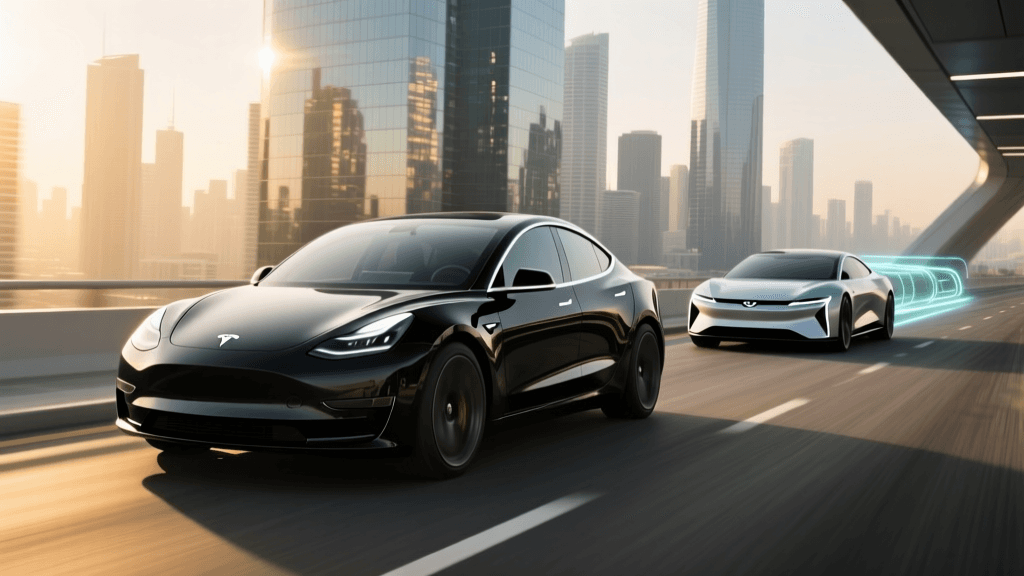
The luxury electric vehicle sedan segment is no longer a nascent market; it is the vanguard of automotive innovation. When discussing the pinnacle of battery-electric engineering, two names inevitably dominate the conversation: the Lucid Air and the Tesla Model S. While the Model S effectively birthed the modern long-range EV market, the Lucid Air arrived as a bespoke challenger, redefining what is possible with electric powertrain efficiency and interior packaging. As we look toward the future of the automotive industry, comparing these two flagship sedans offers a fascinating glimpse into the diverging paths of legacy-disruptors and hyper-focused EV startups.
In this head-to-head comparison, we analyze the Lucid Air and Tesla Model S not just on their current specifications, but through the lens of future industry trends, manufacturing outlooks, and technological trajectories. Which luxury EV is better positioned for the next decade of electrification?
Powertrain and Battery Architecture: The High-Voltage Revolution
The most significant differentiator between the Lucid Air and the Tesla Model S lies beneath the floorboards in their respective electrical architectures. The industry is rapidly shifting toward higher voltage systems to reduce weight, improve thermal management, and enable ultra-fast charging. According to the U.S. Department of Energy, advancements in battery and power electronics are the primary drivers of next-generation EV efficiency.
The Lucid Air utilizes a proprietary 900V+ electrical architecture. This high-voltage system allows for thinner wiring harnesses (reducing weight and copper usage) and significantly faster charging speeds without overheating the battery cells. Tesla, conversely, has historically relied on a 400V architecture for the Model S. While Tesla's thermal management and battery chemistry (such as the 4680 cells) are world-class, the Model S platform was originally designed over a decade ago. Retrofitting an 800V or 900V system into the current Model S would require a complete ground-up redesign of the vehicle's chassis.
Future Outlook: As the industry standardizes around 800V to 1000V architectures for fast-charging compatibility, Lucid holds a distinct generational advantage. Tesla will likely reserve its next-generation high-voltage platforms for future models like the Roadster or a refreshed flagship, leaving the current Model S at a slight architectural disadvantage in the ultra-luxury space.
Range, Efficiency, and Charging: Pushing the Boundaries
Range anxiety is being replaced by charging-time anxiety, making both EPA-estimated range and peak charging capabilities critical metrics for luxury buyers.
| Metric | Lucid Air Grand Touring | Tesla Model S Long Range |
|---|---|---|
| EPA Estimated Range | 516 miles | 402 miles |
| Battery Capacity (Usable) | ~112 kWh | ~100 kWh |
| Peak Charging Speed | ~300 kW (DC Fast) | ~250 kW (Supercharger) |
| Efficiency (Miles/kWh) | ~4.6 mi/kWh | ~4.0 mi/kWh |
Lucid's miniaturized drive units and aerodynamic mastery (a drag coefficient of 0.21) yield an efficiency rating that currently leads the entire EV industry. The Model S remains incredibly efficient for its size and performance, but Lucid's ability to extract over 500 miles of range from a relatively compact battery pack points to a future where EVs can achieve ICE-equivalent road-trip ranges without requiring massive, heavy, and resource-intensive 150 kWh battery packs.
Autonomous Driving and Software Ecosystems
The future of luxury sedans is intrinsically linked to autonomous driving capabilities and over-the-air (OTA) software evolution. Tesla's Full Self-Driving (FSD) beta represents a massive data-gathering operation, utilizing a vision-only neural network approach. The National Highway Traffic Safety Administration (NHTSA) continues to monitor these automated driving systems closely, emphasizing the importance of driver supervision and safety validation.
Lucid takes a more conservative, sensor-fusion approach with its DreamDrive system, utilizing LiDAR, radar, and cameras. While Tesla's FSD currently offers a more expansive (albeit supervised) feature set on public roads, Lucid's inclusion of LiDAR provides a hardware redundancy that many industry experts believe is necessary for true Level 4 autonomy.
Future Outlook: Tesla's software ecosystem and Supercharger network remain its strongest moats. However, as the International Energy Agency (IEA) notes in its global EV market reports, the rapid expansion of third-party high-power charging networks is diluting Tesla's exclusive charging advantage. Lucid's hardware-heavy approach to autonomy may prove more viable for regulatory approval in the long run, whereas Tesla's pure-vision approach faces ongoing scrutiny.
Manufacturing, Partnerships, and Industry Outlook
Tesla's manufacturing prowess is undeniable. The use of gigacasting, mega-casting, and extreme vertical integration allows Tesla to produce vehicles at a profit margin that legacy automakers can only dream of. The Model S benefits from this mature, highly optimized supply chain, though its sales volume is now a fraction of the Model 3 and Model Y.
Lucid, on the other hand, operates more like a boutique luxury house. Production volumes are lower, and the company has faced the typical startup hurdles of supply chain bottlenecks and manufacturing scaling. However, Lucid's technology is so advanced that it has pivoted to become a technology supplier. Its recent multi-year agreement to supply powertrain and battery systems to Aston Martin is a testament to the superiority of its Wonderland platform.
Future Outlook: Tesla will continue to dominate in volume and manufacturing cost-efficiency. Lucid's future lies in high-margin, low-volume luxury, and lucrative B2B technology partnerships. For the buyer, this means the Model S will likely see incremental updates, while the Lucid Air's underlying tech will proliferate throughout the broader luxury auto market.
Interior Space and the 'Space Concept'
Because Lucid miniaturized its electric motors and battery cooling systems, it was able to push the cabin forward, creating what the company calls the 'Space Concept.' The rear-seat legroom in the Lucid Air rivals that of a Mercedes-Benz S-Class or BMW 7 Series, despite the Air having a footprint closer to a mid-size sedan. The Tesla Model S, constrained by its older skateboard architecture and sloping roofline, offers a more traditional, slightly cramped rear-seat experience. As luxury EV buyers increasingly prioritize cabin wellness and spaciousness, Lucid's packaging innovation sets the benchmark for the next generation of electric sedans.
Total Cost of Ownership and Depreciation Trends
When evaluating luxury EVs, depreciation is often the most significant hidden cost. Tesla's frequent price cuts on new models have historically caused steep depreciation curves for existing Model S owners. While the Model S benefits from lower maintenance costs and widespread service centers, its resale value can be volatile. Lucid, as a low-volume luxury brand, faces its own depreciation hurdles typical of boutique startups, but its positioning as an exclusive, high-end luxury good may help stabilize its long-term value among collectors and early adopters. Furthermore, Lucid's technology supply deals with legacy brands bolster consumer confidence in the company's long-term financial viability, an essential factor when investing in a six-figure EV.
Verdict: Future-Proofing Your Luxury EV Purchase
Choosing between the Lucid Air and the Tesla Model S depends entirely on what you value in the future of automotive technology.
- Choose the Lucid Air if: You want the absolute cutting-edge of EV powertrain efficiency, 900V+ charging architecture, and a bespoke luxury interior that maximizes cabin space. It is the choice for the buyer who views their vehicle as a piece of high-end, future-proofed technology and values exclusivity over mass-market infrastructure.
- Choose the Tesla Model S if: You prioritize access to the Supercharger network, desire the most aggressive OTA software updates, and want the sheer straight-line performance of the Plaid variant at a more accessible price point. It remains the pragmatic, tech-heavy choice for the data-driven buyer.
Ultimately, the Lucid Air represents the future of bespoke luxury EV engineering, while the Tesla Model S remains the benchmark for software-integrated performance. Both are phenomenal machines, but the Air's architectural advantages give it the edge in the long-term luxury outlook.