The E-GMP Platform: Shared DNA with Unique Quirks
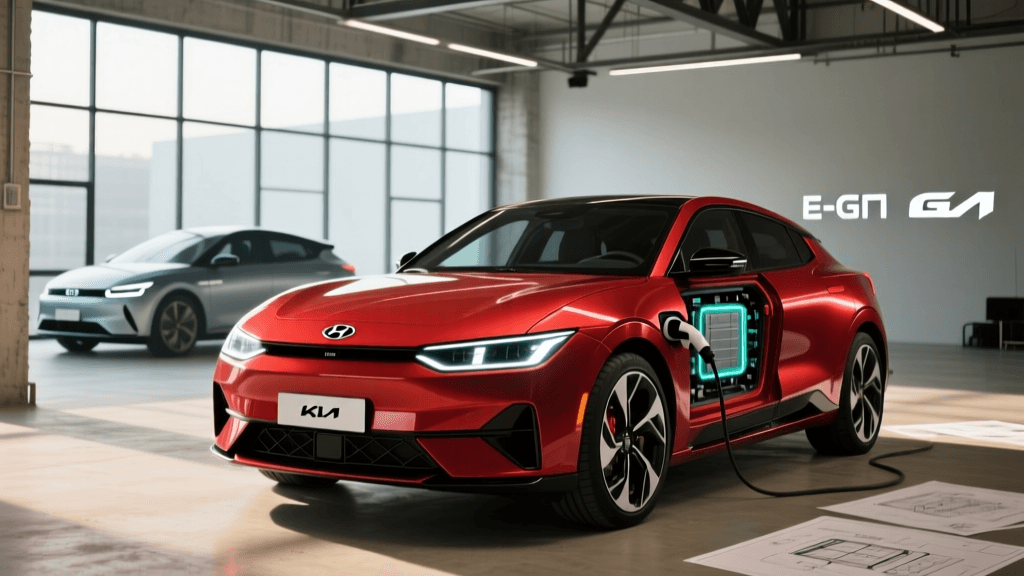
The Kia EV6 and the Hyundai Ioniq 5 are arguably the most important electric vehicles of the current generation. Built on the Hyundai Motor Group’s Electric-Global Modular Platform (E-GMP), these two corporate siblings share an 800-volt architecture, identical battery pack options (58 kWh and 77.4 kWh), and the same core powertrain components. However, sharing a platform also means sharing a specific set of mechanical and software vulnerabilities. For owners and prospective buyers, understanding how to troubleshoot these shared E-GMP quirks—and recognizing where the siblings diverge in physical design and dealership support—is critical for long-term ownership satisfaction.
While both vehicles are generally reliable, early production models (2022-2023) have exhibited a pattern of specific electrical and software gremlins. This guide dives deep into the most common E-GMP platform issues, providing actionable troubleshooting steps, diagnostic measurements, and repair expectations for both the Kia EV6 and Hyundai Ioniq 5.
1. Troubleshooting the ICCU and 12V Battery Drain
The most widely reported and potentially debilitating issue across the E-GMP platform involves the Integrated Charging Control Unit (ICCU). In traditional EVs, an On-Board Charger (OBC) and a DC-DC converter handle AC charging and 12V battery replenishment separately. The E-GMP platform combines these into a single ICCU to save weight and space. When the ICCU fails or its software glitches, it stops charging the 12V accessory battery from the high-voltage (HV) traction battery.
Symptoms and Diagnostics
- Warning Lights: The dashboard will display '12V Battery Low', 'Check EV System', or 'Battery Discharge' warnings.
- No-Start Condition: Despite the main HV battery showing 80% charge, the car will not power on because the 12V system lacks the voltage to engage the main battery contactors.
- Multimeter Test: With the car powered ON (ready to drive, not just in accessory mode), measure the 12V battery terminals under the rear seat or in the frunk (depending on the exact model year). A healthy ICCU should output between 13.8V and 14.4V. If you read 12.2V or lower while the car is running, the ICCU is failing to step down the HV current.
The Fix and Warranty Coverage
If you suspect an ICCU failure, immediately check the NHTSA Recalls portal for your specific VIN, as Hyundai and Kia have issued software updates and extended warranties for this exact component. The immediate troubleshooting workaround to get the car moving is to use the manual 12V jump-start terminals located in the rear cargo area to wake up the HV contactors. However, if the ICCU hardware is fried (often due to coolant intrusion or thermal stress), it requires a full dealership replacement. Out-of-pocket costs hover around $1,500 to $2,200, but it is fully covered under the 5-year/60,000-mile basic warranty and often the 10-year/100,000-mile EV powertrain warranty.
2. DC Fast Charging Handshake Failures (400V vs 800V)
The E-GMP platform’s 800V architecture allows for blistering 10-80% charging times of 18 minutes on 350 kW chargers. However, because 800V infrastructure is still rare, the platform uses a patented system that utilizes the rear electric motor and inverter to boost 400V charger current up to 800V. This boost converter process is highly complex and occasionally causes 'handshake' failures at older or poorly maintained CCS charging stations.
The Boost Converter Bottleneck
Owners of both the EV6 and Ioniq 5 report instances where the vehicle plugs into a 50kW or 150kW charger, initiates the handshake, but stalls at 0% or 1% charging. The charger screen may read 'Vehicle Fault' or 'Communication Error'.
Step-by-Step Handshake Reset
- Abort and Isolate: Stop the charging session on the screen and unplug the vehicle. Do not immediately try the same stall.
- The 'Power Cycle' Trick: Turn the vehicle completely ON (press the brake and push the Start button so the 'READY' light illuminates). Let the car sit in READY mode for 60 seconds. This forces the Battery Management System (BMS) and the inverter to reset their logic boards.
- Toggle Charge Limits: Go into the infotainment EV settings and change the 'Charge Limit' from 80% to 90%, or toggle the 'Charging Current Limit' from 100% to 90% and back. This wakes up the BMS communication module.
- Preconditioning: If the battery is cold (below 50°F / 10°C), the boost converter may refuse to engage to protect the cells. Set a nearby charger as your navigation destination to trigger battery preconditioning, or manually turn on the cabin heater for 10 minutes to draw ambient heat into the battery pack enclosure.
3. Infotainment Freezes and HVAC Touch-Capacitive Glitches
While the underlying software architecture is identical, the physical execution of the interior controls differs vastly between the two siblings, leading to different troubleshooting paths for cabin electronics.
EV6 Hidden Buttons vs. Ioniq 5 Physical Sliders
The Kia EV6 utilizes a sleek, hidden touch-capacitive panel for HVAC and media controls that sits flush with the gloss black trim. A common complaint is 'ghost touches' or unresponsiveness, especially when wearing gloves or if the cabin is extremely cold. Troubleshooting the EV6's panel often requires a cabin warm-up or recalibrating the touch sensitivity via the hidden dealer diagnostic menu. Conversely, the Hyundai Ioniq 5 uses a hybrid approach with physical toggle sliders for volume and climate, which are generally immune to temperature-induced ghost touches but are prone to physical debris jamming the slider tracks. If your Ioniq 5 climate slider becomes unresponsive, carefully use compressed air to clear the track before assuming a software fault.
Hard Reset Procedures
If the ccNC (Connected Car Navigation Cockpit) infotainment screen freezes, blacks out, or fails to connect to Apple CarPlay/Android Auto wirelessly, you can perform a hard reboot without visiting a dealer. Press and hold the physical Power/Volume knob (or the dedicated power button on newer trims) for exactly 15 seconds. The screen will go black, the Hyundai/Kia logo will appear, and the system will reboot. This clears the RAM cache and resolves 90% of Bluetooth and UI lag issues.
Troubleshooting Matrix: EV6 vs. Ioniq 5
| Issue / Symptom | Shared E-GMP Fix | Kia EV6 Specific Quirk | Hyundai Ioniq 5 Specific Quirk |
|---|---|---|---|
| 12V Battery Drain | ICCU Software Flash / Hardware Replacement | More common in GT models due to higher auxiliary power draw. | Standard on all trims; check rear trunk 12V jump posts. |
| Charging Handshake Stall | BMS Reset via 'READY' mode & Charge Limit toggle. | EV6 GT requires specific thermal management checks before 800V boost. | Ioniq 5 AWD may limit boost charging if rear inverter is overheated. |
| Infotainment Black Screen | 15-second Power Button Hard Reset. | Gloss black HVAC panel may require temperature normalization for touch. | Physical sliders may require compressed air cleaning if jammed. |
| Suspension Clunking / Wear | Inspect strut top mounts and sway bar end links. | Stiffer GT/GT-Line tuning leads to faster bushing wear on rough roads. | Softer comfort tuning; check for premature rear shock absorber seepage. |
Navigating TSBs and Dealership Support
Because the EV6 and Ioniq 5 share the E-GMP platform, Technical Service Bulletins (TSBs) issued by the Hyundai Motor Group often apply to both vehicles simultaneously. However, the dealership networks operate entirely independently, and their familiarity with specific troubleshooting procedures varies. Kia dealerships have heavily leaned into the performance and enthusiast marketing of the EV6, meaning their master technicians are often more adept at troubleshooting the complex thermal management systems of the EV6 GT. Hyundai dealerships, dealing with the massive volume of Ioniq 5 family crossovers, tend to be faster at processing standard ICCU warranty claims and executing routine BMS software flashes. When seeking warranty repairs, always print out the specific TSB number (found on owner forums like IoniqForum or KiaEV6Forum) and present it to the service advisor to bypass unnecessary diagnostic fees.
Final Verdict: Which Sibling is Easier to Maintain?
From a pure troubleshooting perspective, the Kia EV6 and Hyundai Ioniq 5 are virtually identical beneath the sheet metal. The E-GMP platform's brilliance in 800V charging and interior space is occasionally offset by the growing pains of the ICCU and complex boost-converter charging logic. The Ioniq 5 wins slightly on day-to-day usability troubleshooting due to its physical climate sliders and more straightforward dealership volume, while the EV6 demands a bit more patience with its capacitive touch surfaces and firmer suspension components. Regardless of which sibling you choose, keeping a multimeter in the frunk and knowing how to perform a BMS handshake reset will save you hours of frustration and unnecessary tow-truck bills on the road.