The E-GMP Platform: Shared DNA, Shared Quirks
When Hyundai Motor Group introduced the Electric-Global Modular Platform (E-GMP), it fundamentally changed the mainstream electric vehicle landscape. The Kia EV6 and Hyundai Ioniq 5 are fraternal twins built on this exact architecture, sharing the same 77.4 kWh battery pack, 800-volt electrical system, and dual-motor powertrain options. However, beneath the distinct sheet metal and divergent interior layouts lies a shared ecosystem of software and hardware that requires specific troubleshooting knowledge. While both vehicles are widely celebrated for their design and charging speeds, early adopters and current owners frequently encounter a unique set of platform-specific gremlins. This guide dives deep into the most common E-GMP issues and provides actionable, step-by-step troubleshooting advice to keep your EV on the road and out of the service center.
Troubleshooting the Infamous 12V Battery Drain
Despite packing a massive high-voltage traction battery, both the EV6 and Ioniq 5 rely on a traditional 12-volt lead-acid battery to power the vehicle's computers, lighting, infotainment, and the critical contactors that bridge the high-voltage circuit. A dead 12V battery means your EV is completely bricked, even if the main battery is at 100%.
Why It Happens
The E-GMP platform is notorious for parasitic drain. Background telematics, over-the-air (OTA) update preparations, and the battery thermal management system can silently drain the 12V battery if the car is left unplugged for several days. The Ioniq 5's complex electrical routing and the EV6's always-on connectivity features both exacerbate this issue.
Step-by-Step Fixes and Prevention
- Enable Battery Saver Mode: Navigate to Settings > EV > Battery Saver on your infotainment screen and toggle it ON. This critical feature allows the high-voltage battery to automatically top up the 12V battery when it drops below a certain threshold while parked.
- Check Resting Voltage: Use a multimeter on the 12V terminals under the hood. A healthy resting voltage should be between 12.4V and 12.6V. If it reads below 12.2V, the battery is sulfating and needs replacement.
- Safe Jump-Starting: If your E-GMP vehicle is dead, never jump-start it from a running internal combustion engine vehicle. The alternator spikes can fry the EV's DC-DC converter. Instead, use a dedicated lithium-ion EV jumper pack (like a NOCO Boost) connected to the designated jump posts under the hood, then immediately turn the car 'ON' to let the internal DC-DC converter take over.
Diagnosing ICCU (Integrated Charging Control Unit) Failures
The ICCU is the heart of the E-GMP charging system, replacing the traditional On-Board Charger (OBC) and DC-DC converter with a single, highly efficient unit. Unfortunately, early 2022 and 2023 models of both the Kia EV6 and Hyundai Ioniq 5 experienced a high rate of ICCU failures due to thermal overload and software glitches.
Symptoms of a Failing ICCU
Watch for the 'Check Electric Vehicle System' warning light on your dash. You may also notice that the 12V battery is no longer charging while driving, the vehicle refuses to accept AC Level 2 charging, or the car randomly shuts down while in 'Ready' mode. If the ICCU fails completely, the car will eventually strand you once the 12V battery depletes.
The Solution
This is not a DIY fix. If you experience these symptoms, you must visit a dealer. Hyundai and Kia have issued extensive recalls and service campaigns to address this. You can verify if your specific VIN is affected by checking the NHTSA Recalls database. The dealer will replace the ICCU hardware with an updated revision and flash the software to better manage thermal thresholds during high-load DC fast charging sessions.
800V DC Fast Charging Handshake Failures
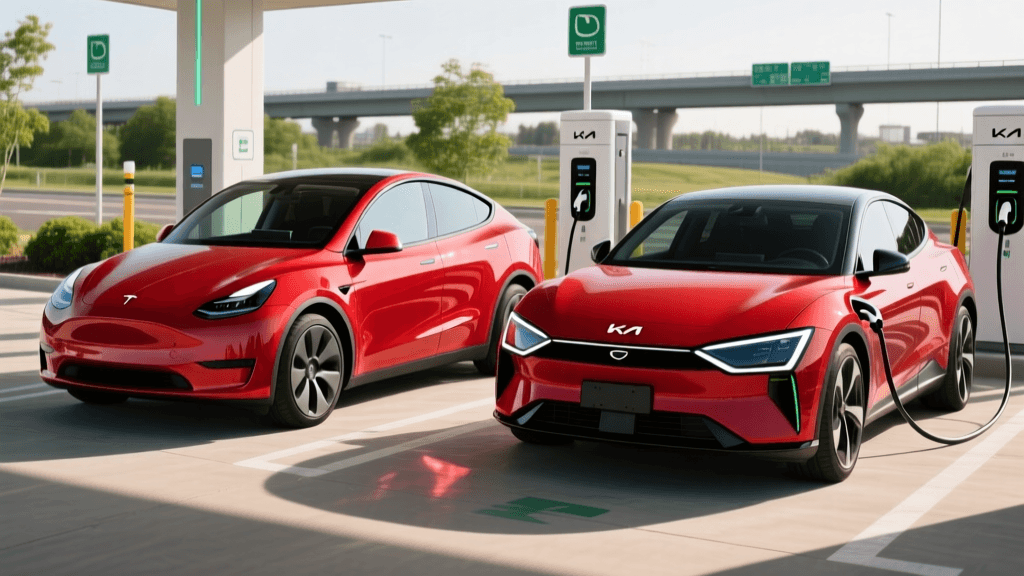
Both the EV6 and Ioniq 5 can theoretically charge from 10% to 80% in just 18 minutes thanks to their 800V architecture. However, 'Plug and Charge' (PnC) handshake failures at Electrify America or other third-party networks are a frequent complaint among owners.
Troubleshooting the Handshake
When you plug in and the charger fails to initiate, or the charging speed is capped at a dismal 40kW, follow these troubleshooting steps:
- Hard Reset the Infotainment: Press and hold the power/volume button on the left side of the screen for 10-15 seconds until the system reboots. This clears temporary cache errors in the charging communication module.
- Clean the CCS Pins: Inspect the vehicle's charge port and the charger's CCS cable. Dirt, moisture, or debris on the communication pins can prevent the PLC (Power Line Communication) handshake. Wipe them with a dry microfiber cloth.
- Re-authorize Plug and Charge: PnC profiles can become corrupted after OTA updates. Go into your EV settings, delete the existing Plug and Charge profile, and re-authorize it via the Kia Connect or Hyundai Bluelink smartphone app.
- Pre-condition the Battery: The E-GMP platform will severely throttle charging speeds if the battery is cold. Always set a DC fast charger as your navigation destination to trigger the battery pre-conditioning routine, warming the cells to the optimal 70°F-90°F range before you arrive.
For a deeper understanding of how DCFC infrastructure interacts with your vehicle's 800V system, the Alternative Fuels Data Center provides excellent, up-to-date documentation on charging protocols and network interoperability.
Interior Rattles and Build Quality Troubleshooting
While the E-GMP platform is mechanically robust, interior trim tolerances differ significantly between the two siblings, leading to unique NVH (Noise, Vibration, and Harshness) troubleshooting scenarios.
Hyundai Ioniq 5: The Sliding Console
The Ioniq 5's signature 'Universal Island' sliding center console is a brilliant design feature, but the plastic rails are prone to rattling over uneven pavement. The Fix: Remove the console by pulling it upward and backward (consult your owner's manual for the exact release tabs). Apply high-density felt tape or Teflon grease to the aluminum sliding rails to eliminate the plastic-on-metal vibration.
Kia EV6: Gloss Black and Haptic Buttons
The EV6 features a fixed console but relies heavily on gloss black trim that scratches and rattles, as well as touch-capacitive steering wheel buttons (on GT-Line models) that can ghost-press in cold weather. The Fix: Apply a matte PPF (Paint Protection Film) to the console trim. For the steering wheel, navigate to Settings > General > Haptic Feedback and turn it off to reduce accidental inputs caused by thick winter gloves or moisture.
E-GMP Troubleshooting Comparison Matrix
| Issue Category | Kia EV6 Specifics | Hyundai Ioniq 5 Specifics | Recommended Action |
|---|---|---|---|
| 12V Parasitic Drain | Higher drain if 'Valet Mode' or 'Camp Mode' is left active. | Higher drain from the V2L (Vehicle-to-Load) internal inverter standby. | Enable 'Battery Saver' in EV settings; use lithium jumper pack if dead. |
| ICCU Thermal Faults | Often triggered by repeated back-to-back 350kW DCFC sessions. | Common in early 2022 models during extreme cold weather charging. | Check NHTSA for VIN recall; dealer hardware replacement required. |
| Charging Port Latch | Motorized latch can freeze in sub-zero climates. | Manual release cable inside the trunk can become stiff. | Use the manual release pull-cord in the trunk; apply dielectric grease to port. |
| Infotainment Glitches | Curved screen can delaminate in extreme direct sunlight. | Wireless CarPlay/Android Auto drops due to USB-C hub overheating. | Hard reset via power button; use wired connection for stability. |
Final Verdict: Which Sibling is More Reliable?
When it comes to troubleshooting, the Kia EV6 and Hyundai Ioniq 5 are remarkably similar due to their shared E-GMP underpinnings. The core hardware—motors, battery chemistry, and 800V inverters—is exceptionally robust. The vast majority of issues owners face are tied to software bugs, the 12V battery management system, and early-production ICCU defects. According to broader industry tracking by Consumer Reports EV Reliability data, software and charging system bugs remain the primary pain points for early E-GMP adopters, though hardware reliability scores have improved significantly for 2024 and newer models.
If you are buying used, the Ioniq 5's sliding console requires more DIY NVH troubleshooting, while the EV6's capacitive buttons and gloss black trim demand more daily patience. Ultimately, both vehicles are excellent, provided you proactively enable the 12V Battery Saver mode, keep your infotainment software updated, and verify that your ICCU recall service has been completed by the dealer.