Introduction to Crossover Troubleshooting
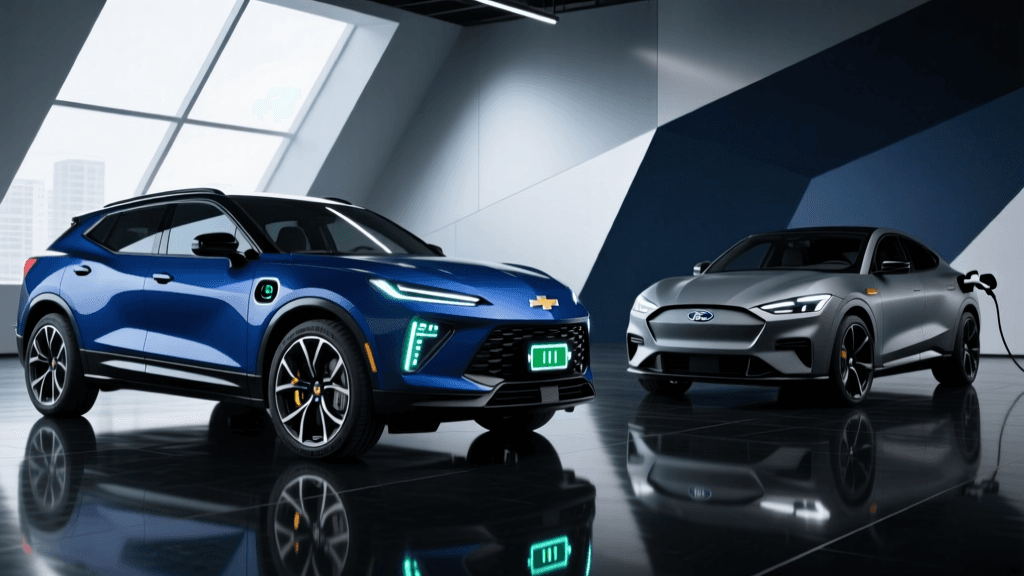
The midsize electric crossover segment is fiercely contested, with the Chevy Blazer EV and the Ford Mustang Mach-E standing out as two of the most compelling options for families and commuters alike. However, as with any first-generation or heavily software-dependent vehicle, early adopters and current owners frequently encounter unique technical hurdles. While both vehicles offer impressive range, striking designs, and advanced driver assistance systems, their approaches to software architecture, battery management, and charging protocols differ significantly.
This head-to-head troubleshooting guide dives deep into the most common problems reported by owners of the Chevy Blazer EV and the Ford Mustang Mach-E. Whether you are dealing with infotainment black screens, DC fast-charging bottlenecks, or mysterious 12-volt battery drains, this guide provides actionable, step-by-step solutions to keep your electric crossover on the road and out of the service center.
Software & Infotainment Glitches
Chevy Blazer EV: The Ultium Software Growing Pains
The Chevy Blazer EV experienced a highly publicized, temporary sales halt in early 2024 due to widespread software complaints. Owners reported infotainment screens going completely black, failure-to-start errors, and broken Plug & Charge functionality. While General Motors has since rolled out comprehensive over-the-air (OTA) updates to resolve these core architecture issues, some owners still experience localized software freezes.
Troubleshooting Steps:
- The Hard Reset: If your central display freezes or goes black, press and hold the physical power/volume button on the dash for 10 to 15 seconds until the screen reboots and the Chevy bowtie logo appears.
- Force OTA Updates: If the vehicle seems sluggish or charging bugs persist, it may be missing a patch. Park the vehicle outside in an area with strong cellular reception, ensure it is plugged into a charger, and navigate to Settings > Software Update > Check for Updates. Leaving the vehicle in 'Ready' mode for 20 minutes can also force background module reboots.
Ford Mustang Mach-E: SYNC 4A Freezes and Phantom Drains
The Mustang Mach-E utilizes Ford’s SYNC 4A system, which is generally well-regarded for its smartphone-like interface. However, owners occasionally report the system failing to connect to the FordPass app, or the screen freezing during Apple CarPlay/Android Auto handshakes.
Troubleshooting Steps:
- SYNC Reboot: To perform a soft reset of the SYNC system, press and hold the power button (center of the volume knob) and the 'Seek Forward' button simultaneously for about 10 seconds until the screen goes black and restarts. For more advanced system resets, refer to the official Ford SYNC Support documentation.
- App Connectivity: If FordPass fails to update your vehicle's status, delete the vehicle from your app profile, clear the app cache on your smartphone, and re-add the vehicle using the VIN. Ensure the Mach-E's embedded modem is active in the vehicle's settings menu.
Charging & Battery Management Troubleshooting
Charging reliability is paramount for EV ownership. Both crossovers support DC fast charging, but their thermal management and handshake protocols can sometimes cause frustrating delays at public stations.
| Feature | Chevy Blazer EV (RS/SS) | Ford Mustang Mach-E (ER/AWD) | Actionable Troubleshooting Tip |
|---|---|---|---|
| Max DC Fast Charge Rate | 190 kW | 150 kW | Always route to the charger via the native nav app to precondition the battery. |
| Plug & Charge Protocol | Ultium / Energy Services | FordPass Charging Network | Verify your payment profile is active and linked to the correct VIN in-app before plugging in. |
| 12V Battery Architecture | AGM / Lithium-ion (Trim dependent) | Standard Lead-Acid / AGM | Mach-E: Keep a portable lithium jump-starter in the frunk for emergency 12V revivals. |
| Cable Release Mechanism | Electronic latch with manual override | Electronic latch with manual trunk release | If the charger is stuck, open the hood/frunk and pull the manual release cable near the charge port. |
Solving the Mach-E 12V Battery Drain Issue
One of the most notorious issues with early model year Mustang Mach-Es was the 12-volt battery dying while the vehicle was parked. This occurred because the high-voltage DC-DC converter failed to wake up and top off the 12V battery during long idle periods. If your Mach-E displays a '12V Battery Fault' or refuses to shift into 'Ready to Drive' mode, the 12V battery has likely depleted.
The Fix: Ford released an OTA software update to force the high-voltage battery to maintain the 12V system. Ensure your vehicle is fully up to date. If the 12V battery has already degraded from repeated deep discharges, have it tested and replaced. Always keep a lithium-ion jump pack in the front trunk (frunk) so you can jump the 12V system, which will allow the high-voltage contactors to close and power the car.
Blazer EV Charge Port Latch Errors
Some Blazer EV owners have reported the charge port failing to lock or unlock properly, resulting in a 'Check Charge System' warning and halted charging sessions. This is often caused by debris in the latch mechanism or a misaligned CCS connector.
The Fix: Inspect the charge port for dirt, ice, or debris. Use compressed air to clean the latch area. When plugging in, push the heavy CCS cable firmly upward into the port until you hear the mechanical click before initiating the charge via the screen or app. If the cable becomes stuck, consult your owner's manual for the location of the manual emergency release cable, typically located under the hood near the charge port side.
Range Estimation & Efficiency Problem Solving
Range anxiety is often exacerbated by inaccurate dashboard estimations. The Blazer EV and Mach-E use entirely different algorithms to guess your remaining range, which can lead to confusion if you don't understand how they work.
Ford's Intelligent Range vs. Chevy's Historical Data
The Mustang Mach-E utilizes Ford's 'Intelligent Range' system, which constantly recalculates your estimated range based on outside temperature, terrain elevation changes, and real-time weather data pulled via the embedded modem. If you notice your Mach-E's range dropping rapidly while parked in the cold, it is not necessarily losing battery; the system is simply adjusting the estimate for the cold weather penalty.
The Chevy Blazer EV, conversely, relies heavily on historical driving data and recent efficiency trends. If a new owner drives the Blazer EV aggressively, the estimated range will plummet. Troubleshooting Tip: To recalibrate the Blazer EV's range estimator, charge the vehicle to 100% and drive it down to 10% using your normal commuting route. This allows the battery management system (BMS) to recalibrate the state-of-charge (SOC) curve and provide a more accurate dashboard estimate.
Winter Weather Efficiency Drops
According to the EPA's guide to EV technology, lithium-ion batteries experience increased internal resistance in freezing temperatures, which can reduce range by 20% to 30%. The Mach-E utilizes a dedicated heat pump system on most trims, which is vastly more efficient at heating the cabin than resistive heaters. The Blazer EV's HVAC setup varies by trim and relies heavily on battery preconditioning. Actionable Advice: Always use the 'Departure Time' scheduling feature in both the FordPass and myChevrolet apps while the vehicle is plugged in at home. This forces the car to use grid electricity to warm the battery and cabin, preserving your actual driving range once you unplug.
ADAS & Sensor Calibration Issues
Both vehicles offer premium hands-free or assisted driving systems: Chevy's Super Cruise (available on select Blazer trims) and Ford's BlueCruise. While both are excellent, they are prone to sensor-related interruptions.
Driver Monitoring Camera Glitches
Both systems rely on infrared (IR) cameras to ensure the driver is paying attention. The Mach-E's camera is mounted on the steering column, while the Blazer EV's is typically integrated into the rearview mirror housing.
- The Sunglasses Problem: Polarized or heavily tinted sunglasses can block the IR spectrum, causing the system to think your eyes are closed or averted. If you receive constant 'Eyes Off Road' warnings, remove your sunglasses or adjust the tilt of your rearview mirror (Blazer) to change the camera angle.
- Direct Sunlight Glare: When driving directly into a low sunrise or sunset, the IR cameras can become blinded. Keep a microfiber cloth in the cabin to wipe the camera lenses on the steering column or mirror housing, as fingerprint smudges exacerbate sun glare.
Phantom Braking and Radar Blockages
Adaptive cruise control relies on front-mounted radar sensors. In winter months, slush, ice, and road salt can quickly coat the lower front grille where the radar is housed, triggering a 'Front Radar Blocked' error and disabling automatic emergency braking. The Fix: Regularly wipe down the lower front fascia and the windshield area behind the rearview mirror where forward-facing optical cameras are located. Always check the NHTSA Recalls Database using your VIN to ensure your vehicle's ADAS modules have received the latest calibration updates from the manufacturer.
Verdict: Which is Easier to Troubleshoot?
When comparing the troubleshooting burden of these two electric crossovers, the Ford Mustang Mach-E currently offers a more mature, predictable ownership experience. Having been on the market longer, Ford has ironed out the majority of its early software and 12V battery issues through iterative OTA updates and hardware revisions. Its SYNC 4A system, while not immune to bugs, is generally easier to reboot and diagnose.
The Chevy Blazer EV, built on the newer Ultium platform, offers superior charging speeds and a more comfortable ride, but it still carries the stigma of its rocky software launch. While GM's recent patches have vastly improved the vehicle's reliability, owners must be more proactive about managing OTA updates and understanding the quirks of the Ultium battery management system. For the DIY troubleshooter who doesn't mind the occasional hard reset, the Blazer EV is a highly rewarding cruiser. For the buyer who demands plug-and-play reliability with minimal technical intervention, the Mach-E remains the safer, more refined bet.