The E-GMP Platform: Shared DNA, Shared Headaches?
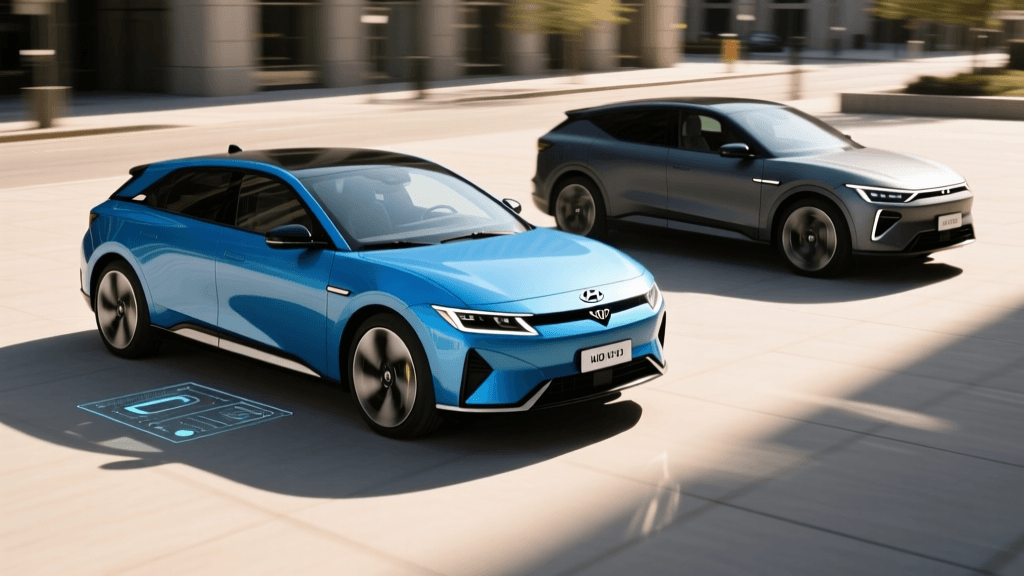
The Kia EV6 and Hyundai Ioniq 5 are undisputed champions of the mainstream electric vehicle market. Built on the Hyundai Motor Group’s revolutionary Electric-Global Modular Platform (E-GMP), these corporate siblings share the same 800-volt architecture, battery packs, and powertrain options. While this shared DNA results in blistering charging speeds and excellent range, it also means that when things go wrong, both vehicles often suffer from the exact same gremlins.
However, because Kia and Hyundai utilize different body styles, interior layouts, and software skins, the troubleshooting experience can vary depending on which badge is on the steering wheel. In this head-to-head troubleshooting guide, we break down the most common problems plaguing the EV6 and Ioniq 5, offering actionable, step-by-step solutions to get you back on the road.
Troubleshooting the 12-Volt Battery Drain (Both Models)
The most frequent complaint across all early E-GMP vehicles is the mysterious draining of the standard 12-volt auxiliary battery. Unlike internal combustion cars that use an alternator to keep the 12V battery topped up while driving, EVs rely on a DC-DC converter. Early software versions of the EV6 and Ioniq 5 struggled to wake the DC-DC converter frequently enough to counteract the parasitic drain caused by telematics, over-the-air (OTA) update checks, and the vehicle’s constant cellular connection.
How to Fix and Prevent 12V Drain
- Enable Battery Saver Mode: Both vehicles received a software update to address this. Navigate to Setup > EV > Battery Saver and ensure it is toggled ON. This forces the high-voltage battery to recharge the 12V battery when it drops below a certain threshold.
- Perform a 12V Reset: If your infotainment screen is glitching or the car refuses to start, locate the '12V Battery Reset' button on the left side of the dashboard (near the driver's left knee). Press and hold it for three seconds. This manually bridges the high-voltage battery to the 12V system, giving you enough juice to start the car and drive.
- Check for 'Dark Mode' Interference: If you use third-party apps like 'Dark Mode' to keep the screens blacked out, ensure they aren't preventing the car from entering deep sleep, which can keep the telematics unit awake and drain the battery.
ICCU Failures: The E-GMP Achilles Heel
The Integrated Charging Control Unit (ICCU) is a vital component that manages the flow of electricity between the high-voltage battery, the 12V system, and the charging port. Unfortunately, early models of both the Kia EV6 and Hyundai Ioniq 5 experienced a high rate of ICCU failures, often triggered by voltage spikes during fast charging or software anomalies.
Diagnosing ICCU Failure
Symptoms of a failing ICCU include the illumination of a yellow turtle icon on the dash, a 'Check Electric Vehicle System' warning, and a sudden inability to charge the 12V battery. If you see these warnings, do not ignore them. The car will eventually drain the 12V battery completely, leading to a loss of power steering and braking assistance while driving.
Because this is a widespread hardware and software defect, it has been the subject of major recalls. Owners should immediately check the NHTSA Recalls Database using their VIN. The dealership fix typically involves a free software update and, in many cases, a complete replacement of the ICCU hardware and the 12V battery.
Kia EV6 Specific Troubleshooting
While the EV6 shares its bones with the Ioniq 5, its sportier, more aggressive styling and distinct interior layout introduce a few unique troubleshooting scenarios.
Infotainment and Haptic Touch Issues
The EV6 features a sleek, curved panoramic display with a touch-capacitive climate control bar. Many owners report that the haptic feedback is either too sensitive or completely unresponsive, especially when wearing gloves or if the screen is exposed to direct, hot sunlight.
- The Reboot Fix: If the climate bar freezes, perform a hard reset of the infotainment system by pressing and holding the physical power/volume knob for 10 to 15 seconds until the screen goes black and the Kia logo reappears.
- Sensitivity Adjustment: Go to Setup > Display > Haptic Feedback and adjust the vibration intensity. Turning it down slightly can prevent accidental double-taps that confuse the system.
B-Pillar Wind Noise and Rattles
The EV6’s frameless windows and aggressive roofline look fantastic, but they are notorious for developing wind noise or rattles around the B-pillar at highway speeds. According to owner forums and Edmunds Kia EV6 ownership reviews, this is often caused by the window weatherstripping compressing unevenly over time. Solution: Apply a thin layer of silicone grease to the rubber window seals to restore pliability, or have the dealer adjust the window regulator alignment under warranty.
Hyundai Ioniq 5 Specific Troubleshooting
The Ioniq 5 leans into retro-futurism and lounge-like comfort, but its design choices create distinct maintenance and troubleshooting quirks.
The Missing Rear Wiper
The most polarizing design choice of the Ioniq 5 is the lack of a rear windshield wiper. The aerodynamic profile is supposed to create a slipstream that blows water off the glass. In reality, in heavy rain or winter slush, the rear camera and glass become completely obscured.
- Troubleshooting Visibility: Keep a high-quality hydrophobic glass coating (like Rain-X or Ceramic Pro) applied to the rear window and backup camera lens. This forces water to bead and roll off at speeds as low as 25 mph.
- Camera Cleaning: Use the rear washer fluid generously. Hyundai positioned the rear washer nozzle on the roof spoiler specifically to wash the backup camera, but it requires a solid 3-second hold of the wiper stalk to activate the camera washer.
Seat Ergonomics and Cushioning Complaints
Early Ioniq 5 models featured front seats that many drivers found too short and lacking in under-thigh support, leading to fatigue on road trips. Hyundai quietly updated the seat foam and cushion length in later production runs. Solution: If you own an early model, adjust the seat tilt upward significantly and extend the manual thigh cushion (if equipped). For a permanent fix, many owners turn to the aftermarket for custom seat bottom foam replacements.
Charging Quirks: Plug & Charge and NACS Adapters
Both the EV6 and Ioniq 5 support 'Plug & Charge' via networks like Electrify America. However, authentication handshakes frequently fail, leaving drivers staring at a frozen screen.
Fixing Plug & Charge Handshake Failures
- Ensure your vehicle's VIN is correctly registered in your charging network app.
- If the handshake fails, unplug, close the charge port door, and wait 30 seconds for the car's CAN bus to reset the communication module.
- As a backup, always keep your RFID card or smartphone app QR code ready to initiate the session manually.
Troubleshooting the Tesla NACS Adapter Rollout
As Hyundai and Kia roll out the CCS-to-NACS adapters to grant access to Tesla Superchargers, owners are reporting 'communication errors' at the stall. This is usually due to the adapter not being fully seated. Pro Tip: When plugging the NACS adapter into your car, push firmly until you hear a distinct second click. The heavy weight of the Tesla Supercharger cable can pull the adapter downward, misaligning the CCS pins. Support the cable weight with your hand while the handshake initiates.
Comparison Table: Common Issues & Solutions
| Issue Category | Kia EV6 | Hyundai Ioniq 5 | Troubleshooting Action |
|---|---|---|---|
| 12V Battery Drain | Common (Early Models) | Common (Early Models) | Enable 'Battery Saver' in EV settings; use dash reset button. |
| ICCU Hardware Failure | Recall Active | Recall Active | Check Consumer Reports & NHTSA; visit dealer for replacement. |
| Infotainment Freezes | Moderate (Haptic Bar) | Low (Physical Buttons) | Hold power knob for 10s to hard reboot the head unit. |
| Rear Visibility | Good (Wiper Equipped) | Poor (No Rear Wiper) | Apply hydrophobic coating; use roof-mounted camera washer. |
| Highway Wind Noise | Moderate (Frameless Glass) | Low | Apply silicone grease to B-pillar weatherstripping. |
Verdict: Which Sibling is Easier to Live With?
When it comes to mechanical and high-voltage troubleshooting, the Kia EV6 and Hyundai Ioniq 5 are an absolute tie. Because they share the E-GMP platform, the major headaches—like the 12V battery drain and the ICCU recall—require the exact same diagnostic steps and dealer visits.
However, from a daily usability and minor troubleshooting perspective, the Kia EV6 holds a slight edge. The inclusion of a rear wiper, physical buttons for core climate functions, and a slightly more rigid chassis result in fewer day-to-day annoyances. The Hyundai Ioniq 5 remains a masterpiece of design and comfort, but its lack of a rear wiper and early seat cushioning issues require more workarounds from the owner. Whichever you choose, keeping your software up to date and knowing how to execute a manual 12V reset will save you from the most common E-GMP platform pitfalls.