Introduction to the Rivian Adventure Network
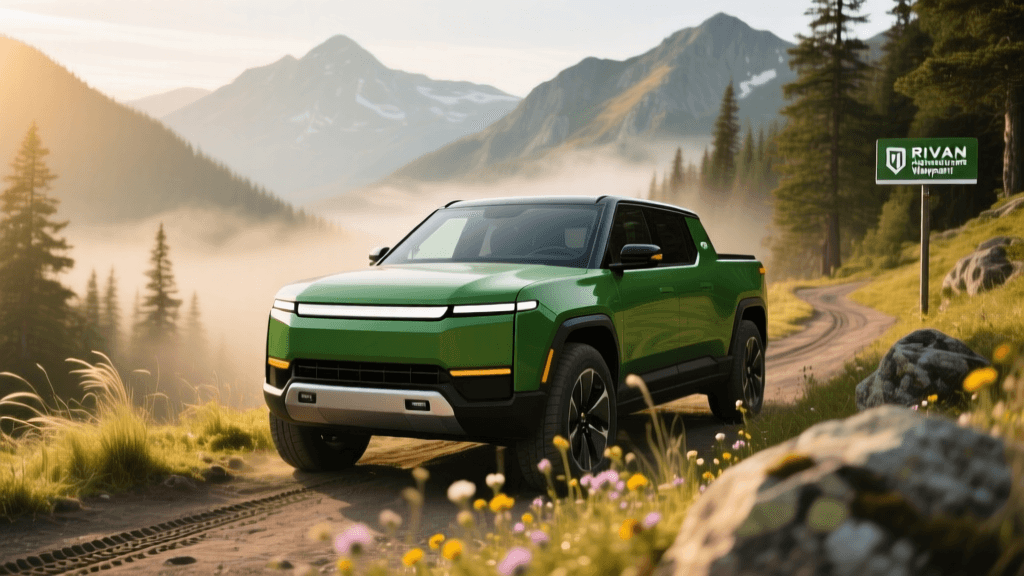
When Rivian first introduced the R1T pickup and R1S SUV, they promised more than just electric vehicles; they promised a gateway to the outdoors. Central to this vision is the Rivian Adventure Network (RAN), a proprietary charging ecosystem designed specifically to support adventurers, road-trippers, and outdoor enthusiasts. Unlike traditional charging networks that cluster around urban centers and busy interstate corridors, the RAN strategically targets scenic routes, national parks, ski resorts, and remote trailheads.
For beginners, navigating a proprietary charging network can seem daunting, especially when venturing off the beaten path. Understanding how the network is structured, where the chargers are located, and how your vehicle interacts with them is crucial for a stress-free experience. According to the U.S. Department of Energy, understanding your specific vehicle's charging ecosystem and infrastructure footprint is the most critical step in transitioning to an electric lifestyle. This comprehensive guide will break down everything you need to know about the Rivian Adventure Network, from coverage maps to future compatibility changes.
The Three Tiers of Rivian Charging
The Rivian Adventure Network is not a monolith; it is divided into three distinct tiers, each serving a specific purpose depending on your travel needs, parking duration, and location. Understanding the difference between these tiers will help you plan your routes more effectively.
Rivian Waypoints (Level 2 Charging)
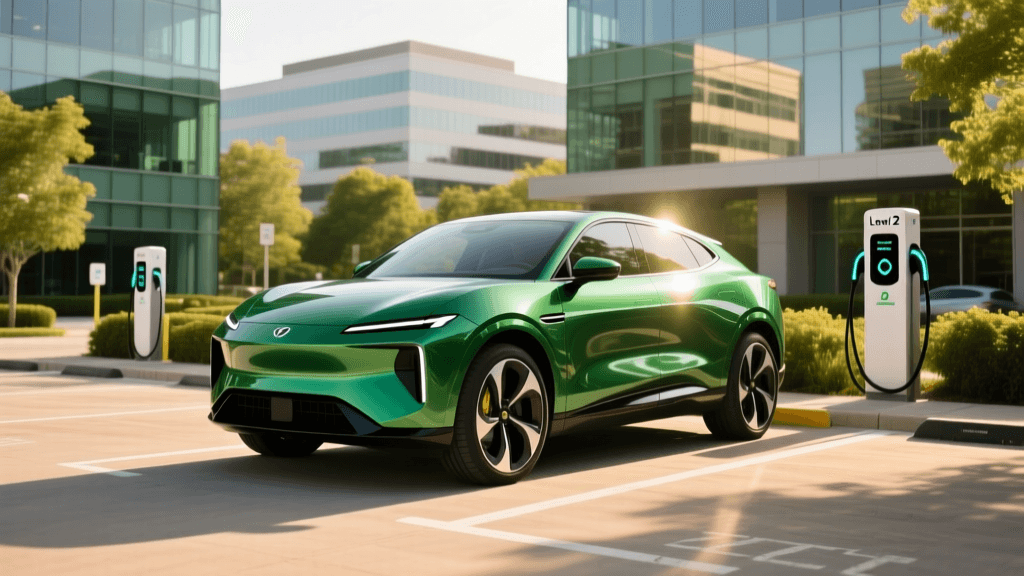
Waypoints are the most numerous chargers in the RAN ecosystem. These are Level 2 AC chargers, typically delivering between 11.5 kW and 20 kW of power. They are strategically placed at destinations where you are likely to park for several hours or overnight. You will find Waypoints at hotels, campgrounds, state and national parks, and popular hiking trailheads. Because they charge slower, they are designed to top off your battery while you sleep, hike, or explore, rather than providing a quick pit-stop charge.
Rivian Outposts (DC Fast Charging)
Outposts are the backbone of Rivian's long-distance adventure routing. These are DC Fast Chargers (DCFC) capable of delivering up to 200 kW or more, allowing you to charge from 10% to 80% in roughly 30 to 45 minutes, depending on your battery pack size and environmental conditions. Outposts are placed in remote, off-grid, or rural locations where third-party charging infrastructure is sparse. They are often powered by solar arrays and battery storage, ensuring reliability even in areas with unstable local power grids.
Rivian Chargers (Urban and Highway DCFC)
Often simply called Rivian Chargers, these are high-speed DC Fast Chargers located in more traditional settings: highway rest stops, shopping centers, and urban outskirts. Like Outposts, they offer speeds up to 200+ kW, but they are integrated into areas with robust existing infrastructure, serving as Rivian's answer to the Tesla Supercharger network for daily highway travel.
| Charger Tier | Charging Type | Max Speed | Typical Locations | Best Use Case |
|---|---|---|---|---|
| Waypoints | Level 2 (AC) | 11.5 - 20 kW | National Parks, Hotels, Campgrounds | Overnight charging, long stops |
| Outposts | DC Fast (DCFC) | 200+ kW | Remote highways, Off-grid locations | Adventure road trips, rural travel |
| Rivian Chargers | DC Fast (DCFC) | 200+ kW | Interstates, Urban outskirts, Malls | Highway cruising, quick top-ups |
Coverage and Mapping Your Adventure
The Rivian Adventure Network's coverage is uniquely tailored to the 'adventure' demographic. While you won't find as many chargers in dense downtown metropolitan areas compared to networks like ChargePoint, you will find unparalleled coverage in places like Moab, Utah; Yellowstone National Park; and major ski resorts across Colorado and the Pacific Northwest. The Alternative Fuels Data Center notes that destination charging is a vital component of EV adoption, particularly for recreational vehicles that require infrastructure near outdoor hubs.
To map your adventure, rely entirely on the built-in Rivian navigation system. When you input a destination, the vehicle's software automatically calculates your route, factors in elevation changes, ambient temperature, and your current state of charge, and routes you through the appropriate RAN chargers. Crucially, the navigation system will automatically precondition your battery as you approach a DC Fast Charger, warming the battery cells to ensure they can accept the maximum possible charging speed upon arrival.
Compatibility: Can Non-Rivians Use the Network?
Historically, the Rivian Adventure Network has been a walled garden, exclusive only to Rivian R1T and R1S owners. This exclusivity ensured that Rivian drivers rarely had to wait in line for a charger at a remote Outpost. However, the EV landscape is rapidly shifting toward the North American Charging Standard (NACS).
Rivian has announced plans to eventually open portions of its charging network to non-Rivian vehicles, though this rollout is gradual and heavily dependent on local regulations and infrastructure upgrades. Conversely, Rivian owners are gaining access to the broader charging world. Rivian is transitioning to the NACS connector for future vehicles and has released a NACS adapter for existing R1T and R1S owners. This adapter grants Rivian drivers access to the massive Tesla Supercharger network, vastly expanding their charging footprint for highway travel, while reserving the RAN for its intended purpose: remote adventures and destination top-ups.
Beyond RAN: Using Third-Party Networks
As a beginner, it is vital to understand that the Rivian Adventure Network is only one piece of your charging puzzle. Your Rivian vehicle is equipped with a CCS1 (Combined Charging System) port, which is the current standard for non-Tesla DC fast charging in North America. This means you have out-of-the-box compatibility with major third-party networks like Electrify America, EVgo, and ChargePoint.
When planning a cross-country trip that takes you outside of Rivian's adventure corridors, you will likely rely on Electrify America or EVgo. It is highly recommended to download these apps and set up accounts with payment methods linked before you hit the road. While Rivian's app seamlessly handles billing and authentication at RAN chargers via a simple plug-and-charge experience, third-party networks often require you to initiate the charge via their respective smartphone apps or RFID cards.
Essential Tips for RAN Beginners
To ensure your first experiences with the Rivian Adventure Network are smooth and enjoyable, keep these practical tips in mind:
- Master Offline Access: Many Rivian Waypoints and Outposts are located in remote areas with zero cellular service. The Rivian app and vehicle software are designed to authenticate your charging session locally via Bluetooth and RFID. Ensure your phone's Bluetooth is enabled when pulling up to a remote charger so the handshake occurs seamlessly, even without a cell signal.
- Practice Good Etiquette: Because RAN chargers at remote locations are limited (often just two to four stalls), never idle in a charging spot once your session is complete. If you are at a Waypoint (Level 2) at a campground, only plug in if you intend to leave the vehicle for an extended period, and always unplug once you reach your desired charge limit to free up the spot for fellow adventurers.
- Monitor Weather Impacts: If you are using an Outpost in freezing temperatures, your charging speeds may be slower if the battery has not adequately preconditioned. Always use the vehicle's native navigation to route to the charger, as this triggers the thermal management system to prepare the battery for fast charging.
- Utilize the Rivian App: The Rivian app allows you to monitor your charging session remotely. If you are hiking near a Waypoint or grabbing a meal near a Rivian Charger, you can check your state of charge in real-time and receive push notifications when your charging session is complete or if an error occurs.
Conclusion
The Rivian Adventure Network represents a paradigm shift in how we think about EV infrastructure. By prioritizing scenic routes, national parks, and remote destinations, Rivian has built a network that perfectly complements the lifestyle of its owners. While the network continues to evolve with the adoption of NACS and broader compatibility, mastering the three tiers of RAN—Waypoints, Outposts, and Chargers—will ensure you are always ready for the next great adventure. Plan your routes using the native navigation, respect the remote nature of the Outposts, and enjoy the silent, emission-free journey into the wild.