Introduction: The Rise of Destination Charging
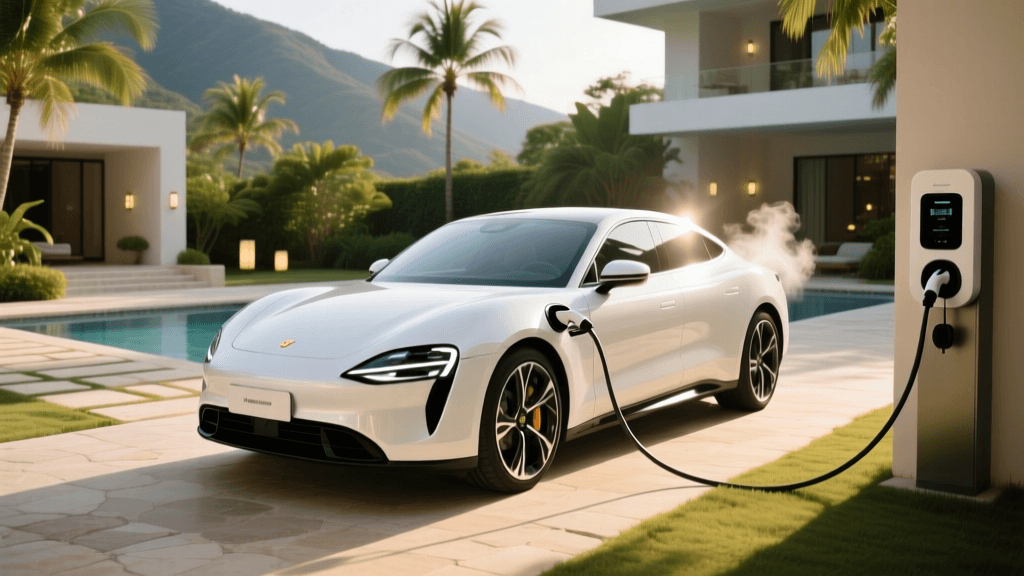
As electric vehicle (EV) adoption accelerates, the landscape of road tripping has fundamentally shifted. Early EV adopters relied almost exclusively on public DC Fast Charging (DCFC) stations along highways. Today, the paradigm has moved toward 'destination charging'—the practice of plugging in overnight at hotels, resorts, and vacation rentals. For the modern EV traveler, a hotel charging amenity is no longer just a luxury perk; it is a critical piece of travel infrastructure. Waking up to a full battery eliminates the need for mid-morning charging detours, allowing you to maximize your vacation time.
However, navigating the fragmented landscape of hospitality EV charging can be daunting. From proprietary networks and varying connector types to hidden resort fees and valet-only access, securing a reliable overnight charge requires strategy. This comprehensive guide will teach you how to find, evaluate, and master hotel and resort EV charging amenities, ensuring your next electric road trip is seamless and stress-free.
Understanding Hotel EV Charging Networks
Unlike the standardized experience of pulling up to a Tesla Supercharger or an Electrify America plaza, hotel charging setups are as diverse as the properties themselves. Hospitality venues typically partner with specific network providers to install Level 2 (L2) chargers, though some high-end resorts are beginning to install DC Fast Chargers for quick top-ups. Understanding the dominant networks in the hospitality sector is your first step toward a successful stay.
| Network Provider | Connector Types | Typical Speed | Best For | Pricing Model |
|---|---|---|---|---|
| Tesla Destination | NACS (Tesla) | 11.5 kW - 17 kW | Tesla Owners / NACS-adapted EVs | Usually Free (Property Dependent) |
| ChargePoint | J1772 / NACS | 7.2 kW - 19.2 kW | Universal L2 Charging | Varies (Free, Per kWh, or Hourly) |
| Blink | J1772 / CCS | 7.2 kW - 80 kW | Universal L2 / Quick DC Top-ups | Varies by Hotel |
| EVgo / Electrify America | CCS / NACS | 50 kW - 350 kW | Quick Top-Ups at Major Hotels | Per kWh / Per Minute |
The Tesla Destination Charging program remains one of the most ubiquitous networks in the hospitality industry. Properties are provided with Tesla Wall Connectors, which deliver reliable, high-amperage Level 2 charging. However, with the industry's shift toward the North American Charging Standard (NACS), non-Tesla EVs equipped with NACS ports or J1772-to-Tesla adapters are increasingly able to utilize these amenities, provided the hotel has not enabled 'Tesla-only' software restrictions.
Meanwhile, networks like ChargePoint and Blink offer universal J1772 connectors, making them accessible to virtually all non-Tesla EVs. According to ChargePoint's hospitality solutions data, properties that offer universal Level 2 charging see higher guest satisfaction scores, as they accommodate the widest variety of EV makes and models without requiring the guest to carry multiple adapters.
How to Find and Verify Hotel Charging Amenities
Booking a hotel based solely on a travel site's 'EV Charging' filter is a recipe for disappointment. Many booking platforms flag a property as having EV charging even if they only offer a single, frequently broken 120V wall outlet in the basement. To guarantee a reliable charging experience, you must use specialized tools and verification methods.
1. Leverage PlugShare and Community Check-Ins
PlugShare is the gold standard for verifying destination chargers. Search your destination city, apply the 'Hotel' and 'Level 2' filters, and most importantly, read the recent user check-ins. Look for comments regarding reliability, ICEing (Internal Combustion Engine vehicles blocking the spots), and whether the chargers are located in a secure, well-lit area. If the last check-in was six months ago, consider calling the front desk to confirm the chargers are still operational.
2. Cross-Reference with the AFDC Database
The U.S. Department of Energy's Alternative Fuels Data Center (AFDC) maintains a rigorously updated map of public and semi-public charging stations. Filtering the AFDC map by 'Lodging' or 'Hotel' can reveal properties that may not heavily advertise their EV amenities on mainstream travel sites but possess robust, government-verified charging infrastructure.
3. Call the Front Desk with Specific Questions
Before finalizing your reservation, call the hotel and ask the following critical questions:
- How many ports are available? (A resort with 500 rooms and only two Level 2 ports will likely result in a fight for charging access at 9 PM).
- Are the chargers in a restricted area? (Ensure they are not locked behind a gate that closes at 10 PM or located in a valet-only zone).
- What is the connector type? (Confirm if they are J1772, NACS, or CCS).
- Is there a fee? (Clarify if charging is free, metered, or bundled into a mandatory daily resort fee).
Evaluating the Quality of a Hotel Charging Setup
Not all destination chargers are created equal. When evaluating a hotel's EV amenity, consider the 'Charging Quality Scorecard' below to determine if the property truly caters to EV drivers or simply installed chargers to check a corporate sustainability box.
Dedicated EV Parking vs. Mixed-Use
The highest-quality hotel charging setups feature dedicated, clearly marked EV parking spaces with physical barriers or heavy fines for ICEing. Mixed-use spaces, where any guest can park in front of a charger, frequently lead to blocked access, especially during peak tourist seasons or weekend conferences.
Amperage and Circuit Sharing
A common issue at older boutique hotels is 'circuit sharing.' A property might advertise four Level 2 chargers, but they are wired to a single electrical circuit. When two cars plug in simultaneously, the amperage is split, dropping the charging speed from 40 amps down to 20 or even 16 amps. If you are arriving at a resort with a nearly depleted battery, look for properties that advertise 'dedicated 40-amp or 48-amp circuits' for each pedestal to ensure you wake up with a full charge.
24/7 Accessibility and Lighting
Resorts with sprawling layouts or underground parking garages can pose safety and accessibility issues at night. A premium EV amenity includes well-lit charging zones, clear wayfinding signage from the main road, and 24/7 access that doesn't require a keycard swipe through a locked pedestrian gate after midnight.
The Economics: Free vs. Paid Hotel Charging
The financial structure of hotel EV charging varies wildly. Historically, hotels offered free Level 2 charging as a premium perk to attract affluent, eco-conscious travelers. Today, as EV adoption has gone mainstream, pricing models have diversified.
The 'Free' Charging Illusion
Many luxury resorts advertise 'complimentary EV charging,' but bury the cost within a mandatory nightly 'Destination Fee' or 'Resort Fee' that can range from $35 to $75 per night. In these scenarios, you are paying for the electricity whether you plug in or not. If you are driving a gas-powered vehicle to the same resort, you are essentially subsidizing the EV drivers.
Pay-Per-Use and Network Pricing
Hotels partnered with networks like Blink or ChargePoint often pass the network's pricing directly to the consumer. This can result in exorbitant rates—sometimes exceeding $0.45 per kWh—making hotel Level 2 charging more expensive than nearby public DC Fast Chargers. Always check the network's app for the specific hotel's pricing before relying on it for your primary overnight charge.
Valet Charging Services
High-end urban hotels and luxury ski resorts increasingly offer 'Valet EV Charging.' You hand over your keys, and the valet manages the logistics of moving your car to the charger, unplugging it when full, and moving the next car in the queue. While this solves the problem of limited ports and ICEing, it usually requires a substantial tipping protocol (often $10-$20 per charge cycle) and relinquishes control over your vehicle's charging schedule.
EV Charging Etiquette for Hotel Guests
Because hotel charging infrastructure often lags behind guest demand, practicing impeccable charging etiquette is vital to maintaining harmony among fellow EV-driving travelers.
- The 'Unplug if Done' Rule: If the hotel has limited ports and a high occupancy rate, it is generally accepted etiquette to leave a note on your dashboard with your room number, explicitly stating: 'Please unplug my vehicle once it reaches 80% or if you need a charge. Call or text me at [Phone Number].' This allows the valet or fellow guests to cycle the charger without waking you up at 3 AM.
- Avoid 100% Camping: Level 2 charging is relatively slow. If your battery is at 90% and you only need a few miles to reach your next destination, do not occupy the charger all night. Leave it available for a guest arriving with a 20% state of charge.
- Cable Management: Always return the charging cable to its holster or neatly coil it on the pedestal. Leaving cables on the ground leads to damage, dirt accumulation, and tripping hazards in dark parking lots.
- Tip the Valet: If the hotel staff is actively managing your charging session, moving your car, and ensuring you have a full battery in the morning, tip them generously. They are performing a service that saves you time and hassle.
Conclusion: Planning for the Future of Travel
Hotel and resort EV charging amenities are rapidly evolving from a niche luxury into a standard expectation for modern travelers. By understanding the dominant networks, rigorously verifying infrastructure before you book, and practicing thoughtful charging etiquette, you can transform overnight stops into strategic advantages on your EV road trips. As the hospitality industry continues to invest in robust, high-speed destination charging, the days of range anxiety will soon be replaced by the simple pleasure of waking up, unplugging, and hitting the open road with a full battery.