The Business Case for Workplace EV Charging
The transition to electric mobility is no longer a distant goal; it is a present-day operational reality. For forward-thinking businesses, integrating workplace EV charging stations into corporate infrastructure has evolved from a niche sustainability initiative into a core component of talent retention, fleet management, and corporate social responsibility (CSR). However, facility managers and financial officers must navigate a complex landscape of hardware costs, electrical upgrades, and ongoing operational expenses. Understanding the true cost and value breakdown of workplace charging is essential for calculating an accurate return on investment (ROI) and securing executive buy-in.
Upfront Capital Expenditures: Hardware and Installation
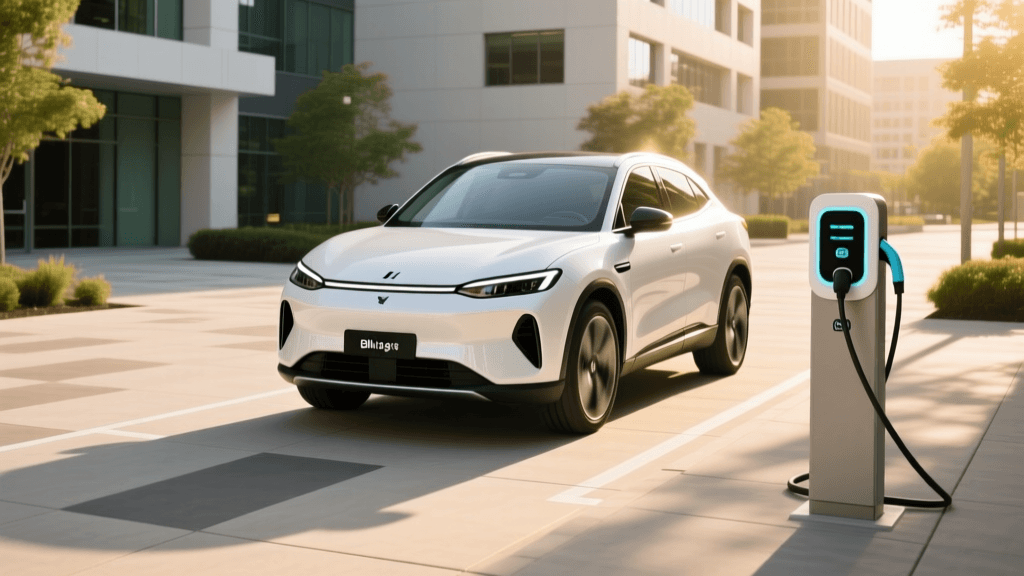
The initial capital expenditure (CapEx) for workplace charging is primarily dictated by the level of charging technology deployed. For most corporate campuses, office parks, and employee parking structures, Level 2 (240-volt) AC charging is the gold standard. Commercial-grade Level 2 hardware, such as dual-port pedestals from industry leaders, typically ranges from $1,500 to $3,500 per unit. These units are designed to withstand outdoor elements, feature RFID authentication, and integrate with cloud-based management software. While DC Fast Chargers (DCFC) are becoming more common for retail destinations or highway corridors, their hardware costs—ranging from $25,000 to over $80,000 per unit—make them largely prohibitive and unnecessary for standard 8-to-10 hour employee workplace parking scenarios.
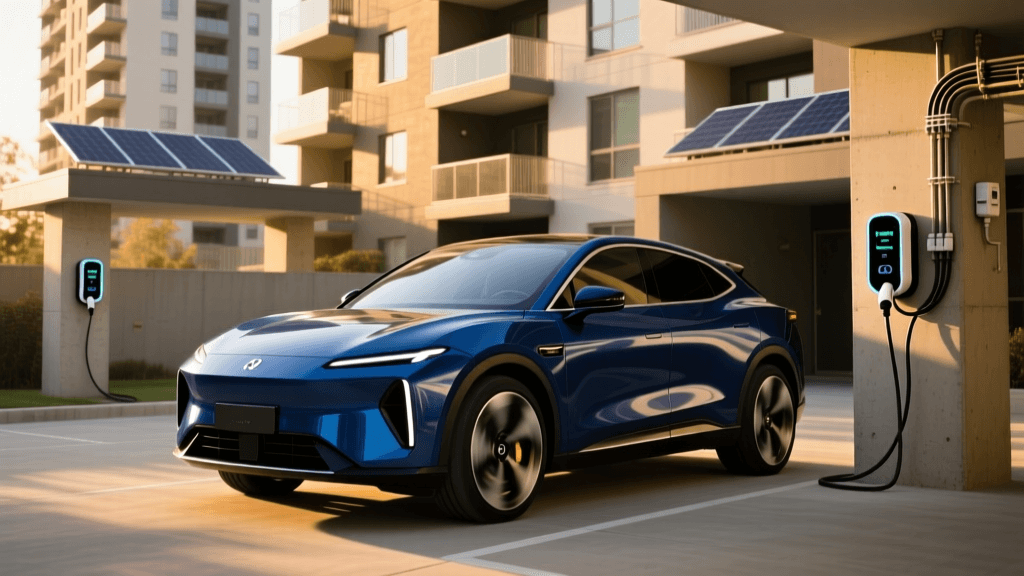
Beyond the physical chargers, the installation and electrical infrastructure costs often represent the most significant variable in the CapEx equation. Trenching through concrete, laying underground conduit, and upgrading electrical service panels can easily push installation costs to between $3,000 and $10,000 per Level 2 port. If a facility’s existing electrical infrastructure lacks the capacity to support a multi-port charging array, the cost of a new transformer or a heavy-duty switchgear upgrade can add tens of thousands of dollars to the project. This is why conducting a comprehensive electrical load analysis and consulting with commercial electrical contractors prior to procurement is a non-negotiable first step.
Workplace Charging Cost Comparison Table
| Charging Type | Hardware Cost (Per Port) | Avg. Installation Cost | Charge Speed (Miles/Hr) | Ideal Workplace Use Case |
|---|---|---|---|---|
| Level 2 (Dual Port Pedestal) | $1,500 - $3,500 | $3,000 - $8,000 | 25 - 35 miles | Employee parking, overnight fleet depots |
| Level 2 (Wall-Mounted) | $600 - $1,500 | $1,500 - $4,000 | 25 - 35 miles | Garage structures, space-constrained lots |
| DC Fast Charger (50kW - 150kW) | $25,000 - $60,000 | $20,000 - $50,000+ | 150 - 250+ miles | Quick-turnaround fleet hubs, public-facing retail |
Operational Expenditures: Software, Networks, and Electricity
Once the hardware is installed, operational expenditures (OpEx) begin. Modern workplace chargers are rarely 'dumb' standalone units; they are networked IoT devices. Network providers like ChargePoint, EVgo, and Blink offer comprehensive software platforms that allow facility managers to monitor usage, set access controls, and implement billing systems. These network management services typically charge a recurring software-as-a-service (SaaS) fee, averaging $250 to $400 annually per dual-port station. While this is an ongoing cost, the value derived from data analytics, automated load balancing, and driver support hotlines far outweighs the subscription expense for enterprise deployments.
The cost of the electricity itself is another operational factor, but commercial utility billing structures introduce a hidden expense known as 'demand charges.' Unlike residential users who only pay for total kilowatt-hours (kWh) consumed, commercial entities are often billed based on their highest 15-minute peak power draw during a billing cycle. If ten employees plug in their EVs simultaneously at 9:00 AM, the resulting spike in power demand can trigger massive demand charges that eclipse the actual cost of the electricity used. To mitigate this, businesses must utilize 'managed charging' or 'load balancing' software, which dynamically throttles the power delivery to individual chargers based on the building's real-time electrical capacity, effectively flattening the demand curve and protecting the bottom line.
Tax Incentives and Utility Rebates
Fortunately, the financial burden of workplace charging is significantly offset by federal and local incentives. The Inflation Reduction Act (IRA) revitalized the Alternative Fuel Vehicle Refueling Property Credit (IRS Section 30C). For commercial properties, this credit covers 30% of the total cost of hardware and installation, up to a maximum of $100,000 per single item of property (per charger/location). However, to qualify, the charging equipment must be placed in service within an eligible census tract—typically defined as non-urban or low-income communities. Additionally, many local utility companies and state environmental agencies offer supplementary rebates that can cover up to 50% of the remaining out-of-pocket expenses, drastically accelerating the payback period.
Calculating the ROI and Intangible Value
Calculating the direct financial ROI of workplace charging can be challenging if the charging is offered as a free amenity. However, the indirect ROI and intangible value are substantial. In a competitive labor market, workplace charging is a highly sought-after benefit that aids in recruiting and retaining top-tier talent, particularly among environmentally conscious demographics. Furthermore, for publicly traded companies or those with strict corporate ESG (Environmental, Social, and Governance) mandates, providing on-site charging directly supports Scope 2 and Scope 3 emissions reduction targets. As the U.S. Department of Energy highlights, expanding accessible charging infrastructure is a cornerstone of national decarbonization efforts, and corporate participation elevates brand reputation and stakeholder trust.
For businesses looking to generate direct revenue, workplace chargers can be monetized. Companies can implement tiered pricing models, offering free or subsidized charging during working hours to employees, while opening the chargers to the public or neighboring businesses during evenings and weekends at a premium per-kWh rate. This 'shared charging' model transforms the charging station from a pure cost center into a micro-utility revenue stream, helping to offset the ongoing SaaS and maintenance fees while maximizing the utilization rate of the physical asset.
Future-Proofing and Fleet Integration
Ultimately, the decision to install workplace EV charging requires a holistic evaluation of current electrical capacity, projected employee EV adoption rates, and available tax incentives. By prioritizing Level 2 networked chargers, implementing smart load management to avoid utility demand charges, and leveraging the IRS 30C tax credit, businesses can deploy a future-proof charging infrastructure.
Moreover, as companies transition their own corporate fleets to electric models—ranging from sales sedans to last-mile delivery vans—workplace charging infrastructure seamlessly doubles as a fleet depot charging solution. This dual-purpose utility ensures that the capital invested in electrical upgrades serves both human resources and logistics operations, multiplying the internal rate of return. Facility managers should also consider installing EV-ready conduit pathways during any routine parking lot resurfacing or new construction projects, a practice known as 'make-ready' infrastructure, which reduces future deployment costs by up to 75%. This strategic investment not only insulates the company against the rising operational costs of fossil-fuel-dependent fleets but also cements the organization's position as a leader in the sustainable economy of tomorrow.