The Multi-Family EV Charging Dilemma
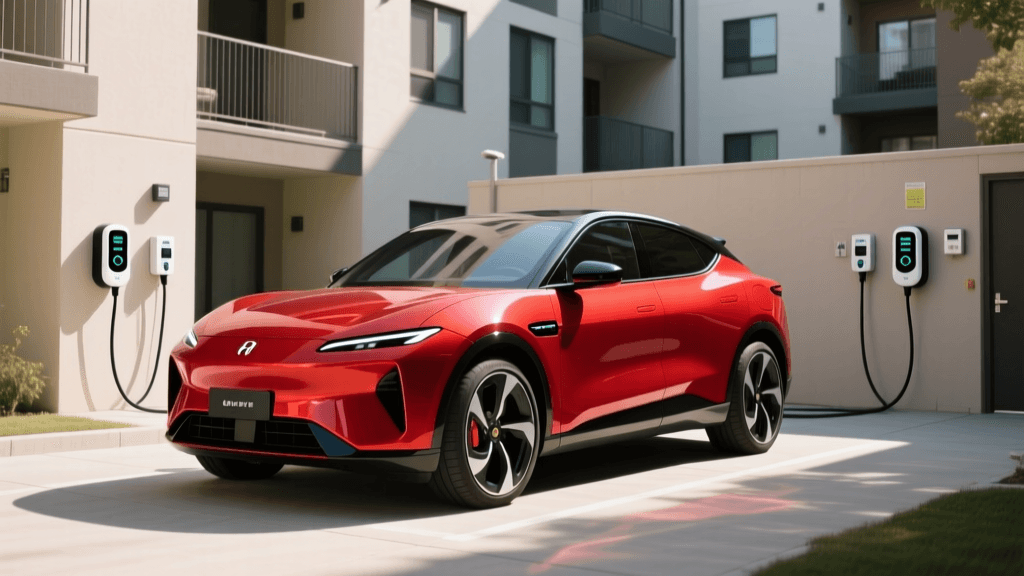
As electric vehicle adoption accelerates, a significant bottleneck has emerged: the lack of charging infrastructure in multi-unit dwellings (MUDs). With nearly a third of the U.S. population living in apartments or condominiums, property managers and Homeowners Associations (HOAs) are facing immense pressure to provide EV charging solutions. However, retrofitting older buildings with Level 2 charging stations is rarely a simple plug-and-play endeavor. Troubleshooting the intersection of aging electrical grids, complex billing requirements, and concrete-encased parking garages requires a strategic approach.
This guide breaks down the most common roadblocks property managers face when installing apartment EV charging solutions and provides actionable, technical troubleshooting steps to overcome them, featuring a comparison of the industry's top multifamily charging providers.
Troubleshooting Electrical Capacity Limits
The most frequent showstopper in apartment EV charging is the building's main electrical service panel. Many older multifamily buildings are already operating near their maximum amperage capacity. Upgrading a main transformer or bringing in new utility service can cost anywhere from $30,000 to over $100,000, taking months to complete.
The Solution: Dynamic Load Management (DLM)
Instead of dedicating a massive, static amount of power to each individual charger (e.g., 40 amps per port), modern apartment charging solutions utilize Dynamic Load Management (DLM). DLM systems use Current Transformers (CTs) installed on the building's main electrical feed to monitor real-time power consumption. When the building's overall electrical demand is low (such as at 2:00 AM), the DLM system allows the EV chargers to draw maximum power. As residents wake up and turn on HVAC systems, ovens, and water heaters, the DLM software automatically throttles down the amperage sent to the EV chargers to prevent tripping the main breaker.
Actionable Advice: When scoping your project, require your electrical contractor to design a DLM-ready architecture. According to ChargePoint's multifamily solutions guidelines, implementing load management software can reduce infrastructure upgrade costs by up to 60%, allowing buildings to install three to four times as many charging ports on their existing electrical capacity.
Connectivity Issues in Underground Garages
Networked EV chargers require a constant internet connection to process payments, manage load balancing, and report errors. In underground or concrete-enclosed parking garages, Wi-Fi is notoriously unreliable, and cellular signals (4G/LTE) are often completely blocked by reinforced concrete and earth berms.
Troubleshooting Network Dropouts
- Cellular Signal Boosters: If your chargers rely on embedded 4G/LTE modems, install a commercial-grade cellular signal booster (DAS) in the garage. Ensure the booster supports the specific carrier frequencies used by your charging network provider.
- Hardwired Ethernet: For the most reliable connection, run CAT6 Ethernet cables directly to the charging pedestals during the conduit installation phase. While it increases upfront 'make-ready' costs, it eliminates ongoing cellular subscription fees and connectivity downtime.
- Mesh Wi-Fi Networks: If trenching for Ethernet is impossible, deploy a commercial mesh Wi-Fi system with hardwired access points mounted on the garage ceiling, ensuring line-of-sight coverage to the chargers.
Comparing Top Apartment EV Charging Providers
Selecting the right hardware and software ecosystem is critical for long-term reliability and tenant satisfaction. Below is a structured comparison of the leading providers specializing in multifamily solutions.
| Provider | Flagship Hardware | Load Management | Billing Model | Best Use Case |
|---|---|---|---|---|
| ChargePoint | CT4000 / Flex | Advanced DLM via Dashboard | Customizable per kWh or hourly | Large complexes wanting premium branding and robust API integration. |
| Blink Charging | HQ 200 Series | Blink Networked Load Balancing | Revenue-share or host-managed | Mid-sized HOAs looking for flexible ownership and leasing models. |
| Enel X (JuiceBox) | JuiceBox Pro Commercial | EverCharge Software Integration | Automated sub-metering | Buildings with severe electrical constraints needing smart software overlays. |
| Autel Energy | MaxiCharger AC | Local & Cloud Load Management | RFID and App-based billing | Properties wanting rugged, dual-port pedestals with local offline capabilities. |
For a deeper dive into hardware options and deployment strategies, property managers can review Blink Charging's multi-family portfolio, which highlights the differences between host-owned and turnkey managed service agreements.
Solving the Billing and Sub-Metering Problem
In single-family homes, EV charging simply adds to the homeowner's utility bill. In an apartment building, the charging station is typically wired to the 'house meter' (the common area electrical panel). If the property manager does not implement a way to bill residents back for the electricity they consume, the HOA or landlord will absorb the cost, leading to budget shortfalls and increased common-area maintenance fees for all residents, including those who do not own EVs.
Troubleshooting Billing Friction
Never rely on manual tracking or flat monthly fees, as these penalize low-mileage drivers and fail to cover high-usage costs. Instead, utilize networked chargers that feature internal sub-meters. These chargers measure the exact kilowatt-hours (kWh) delivered to the vehicle and automatically charge the resident's credit card on file via the provider's mobile app. Property managers can set the pricing to exactly match the local utility rate (e.g., $0.16/kWh) to achieve cost neutrality, or add a small markup (e.g., $0.22/kWh) to generate revenue for future maintenance and equipment replacement.
Navigating HOA Pushback and 'Right to Charge' Laws
Even when a technical solution is identified, property managers often face pushback from HOA boards or non-EV-owning residents who are concerned about construction disruptions, parking space monopolization, and liability.
Leveraging Legal Frameworks
To troubleshoot board resistance, familiarize yourself with your state's 'Right to Charge' laws. Many states, including California, New York, Colorado, and Florida, have passed legislation that prevents HOAs from unreasonably denying a resident's request to install an EV charger at their designated parking spot. While these laws often require the resident to pay for the installation and carry additional liability insurance, they provide a legal baseline that forces HOAs to negotiate in good faith. You can verify your specific local regulations and exemptions by consulting the Alternative Fuels Data Center (AFDC) state laws database.
Step-by-Step Implementation Guide for Property Managers
To streamline the deployment process and avoid costly change orders, follow this chronological troubleshooting and implementation checklist:
- Conduct an Electrical Load Audit: Hire a licensed electrical engineer to perform a 24-hour load study on your main switchgear. This data will prove exactly how much spare capacity exists and whether DLM is required.
- Deploy a Resident Survey: Gauge current and future EV adoption among tenants. Plan your initial installation to meet 20% of current demand, but ensure your 'make-ready' infrastructure (conduit, trenching, and panel space) can support 100% future penetration.
- Choose Make-Ready vs. Turnkey: If capital is limited, consider a 'make-ready' approach where the property only pays for the wiring, conduit, and pedestal bases, while a third-party provider installs, owns, and maintains the actual charging units.
- Establish Clear EV Etiquette Rules: Update your parking addendums to include strict rules against 'ICEing' (internal combustion engine vehicles parking in EV spots) and implement idle fees for residents who leave their cars plugged in for more than two hours after reaching a full charge.
- Apply for Utility Rebates: Before signing any contracts, check with your local utility provider. Many utilities offer massive rebates covering up to 80% of the infrastructure costs for multifamily EV charging installations under commercial make-ready programs.
Conclusion
Troubleshooting apartment EV charging is fundamentally an exercise in balancing electrical physics, software management, and community relations. By leveraging Dynamic Load Management to bypass costly utility upgrades, hardwiring connectivity to bypass concrete signal blockers, and utilizing automated sub-metering to ensure financial fairness, property managers can transform a daunting logistical challenge into a premium amenity that increases property value and tenant retention.