The Great Costco Charging Myth: Does Every Warehouse Have Plugs?
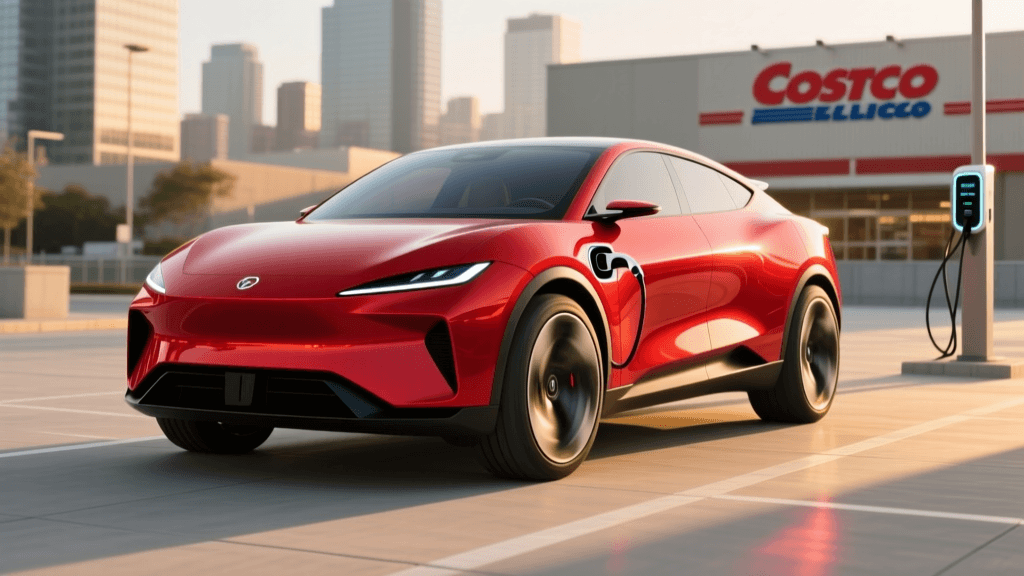
For many electric vehicle (EV) owners, the ultimate weekend errand involves a seamless combination of bulk grocery shopping and battery top-ups. The idea of pulling into a Costco warehouse, plugging in your EV, and returning an hour later to a fully charged battery and a trunk full of groceries is incredibly appealing. However, this idealized scenario has birthed one of the most persistent myths in the EV community: the belief that every Costco location is equipped with reliable, accessible EV charging stations.
The reality is far more nuanced. While Costco has made significant strides in partnering with charging networks over the last few years, EV infrastructure is not a universal standard across their 800+ North American warehouses. According to the U.S. Department of Energy's Alternative Fuels Data Center, public charging infrastructure is growing rapidly, but retail adoption varies wildly by zip code, local grid capacity, and regional EV adoption rates. Relying on a Costco charge without doing your homework is a fast track to range anxiety and ruined road trips.
Mapping the Reality: Costco EV Charger Availability by Region
If you are planning a route based on Costco stops, you must understand that availability is heavily dictated by geography. A warehouse in downtown Los Angeles will have a vastly different charging footprint than a warehouse in rural Ohio. Below is a breakdown of what you can realistically expect when hunting for Costco EV chargers by region.
| Region | Availability Trend | Dominant Networks | Common Charger Types |
|---|---|---|---|
| West Coast (CA, OR, WA) | High (40-50% of locations) | Blink, ChargePoint, Tesla | CCS, CHAdeMO, NACS |
| Northeast (NY, MA, NJ) | Moderate (20-30% of locations) | Blink, EVgo | CCS, CHAdeMO |
| Midwest (IL, OH, MI) | Low to Moderate (10-20%) | Blink, Francis Energy | CCS, J1772 (Level 2) |
| South (TX, FL, GA) | Moderate (25-35% of locations) | Blink, ChargePoint, Tesla | CCS, NACS, J1772 |
As the data illustrates, West Coast drivers are spoiled for choice, often finding multiple DC Fast Chargers (DCFC) and Level 2 options. Meanwhile, Midwestern drivers may find that their local Costco only offers a pair of Level 2 Blink chargers tucked away in the back of the lot, which are insufficient for a quick road-trip top-up.
Myth Busting: Free Chargers and Network Monopolies
Myth: Costco Chargers Are Always Free
In the early days of EV adoption, retailers offered free Level 2 charging as a perk to draw in eco-conscious shoppers. Today, that era is largely over. The vast majority of EV chargers at Costco are operated by third-party networks like Blink or ChargePoint. These are commercial, for-profit stations. While you might occasionally stumble upon a free Level 2 J1772 plug in a specific municipality due to local government subsidies, you should expect to pay market rates for DC Fast Charging. Blink stations, which make up a large portion of Costco's third-party infrastructure, typically charge by the kWh or by the minute, depending on local utility regulations.
Myth: All Costco Chargers Are Tesla Superchargers
Because Tesla drivers frequent Costco, many assume the parking lots are filled with Superchargers. While Tesla has installed Destination Chargers and select Supercharger stalls at specific high-traffic Costco locations (particularly in California and Texas), they are the exception, not the rule. Most non-Tesla networks deployed at Costco utilize the CCS (Combined Charging System) standard. If you drive a Tesla and plan to use a non-Tesla Blink or ChargePoint station at Costco, you must have your CCS adapter handy, or you will be stranded next to a plug you cannot use.
5 Common Mistakes EV Drivers Make at Costco
Beyond misunderstanding availability, EV drivers frequently make tactical errors when attempting to charge at big-box retailers. Avoid these five common mistakes to save time, money, and frustration.
1. Failing to Check Real-Time Status on PlugShare
The most critical mistake is driving to a Costco based solely on a static map or the warehouse's website. Chargers break down, screens go dark, and network connections fail. To verify real-time status, drivers must rely on community-driven platforms like PlugShare, where user check-ins and photos reveal if a specific warehouse's chargers are actually operational. Always filter by the specific network (e.g., Blink) and read the comments from the last 48 hours before rerouting your trip.
2. Ignoring the 'Shopping Cart Corral' Hazard
This is a uniquely Costco problem. EV charging spots are often placed near the periphery of the parking lot or adjacent to pedestrian walkways. Shoppers, eager to get their bulk purchases into their cars, frequently abandon metal shopping carts in the nearest available space—which is often the EV charging stall. Even if a charger shows as 'Available' on an app, you may arrive to find a barricade of metal carts blocking your access. Always have a backup charging location within a two-mile radius when targeting a Costco.
3. Assuming DC Fast Charging is Available
Many drivers see 'EV Charging' listed for a Costco location and assume it means a 50kW to 150kW DC Fast Charger. In reality, many older or smaller-footprint warehouses only have 7kW Level 2 chargers. Plugging into a Level 2 charger when you have 15% battery and a 200-mile drive ahead of you is a mathematical disaster. Always verify the connector type and power output on your charging app before committing to the detour.
4. Blocking the Bay While Shopping (ICEing and Loitering)
Charging etiquette is paramount. A common mistake is treating a DC Fast Charger like a personal parking spot for a two-hour shopping spree. DCFC stalls are meant for rapid 20-to-40-minute top-ups. If you are fully charged and still shopping, you are blocking a high-turnover asset. Furthermore, be hyper-aware of Internal Combustion Engine (ICE) vehicles blocking the spots. Because Costco lots are notoriously crowded, gas-powered vehicles frequently park in EV spots out of convenience. If you encounter this, use the network's app to report the blocked station, but do not leave an angry note on their windshield—it rarely helps and escalates tensions.
5. Forgetting Membership Requirements for Lot Access
While you do not need a Costco membership to use the EV chargers (the charging networks do not check your warehouse card), some local municipalities or specific warehouse security teams enforce strict 'customers only' parking rules. If you are just popping in to use the Blink charger without entering the store, be aware that lot attendants in certain high-density urban areas may question your presence or tow vehicles that appear abandoned for hours while the owner visits neighboring strip malls.
Your Action Plan for Reliable Costco Charging
To successfully integrate Costco into your EV road trip or weekly routine, follow this actionable checklist:
- Step 1: Pre-Screen with Apps. Open PlugShare or your specific network app (Blink/ChargePoint). Filter for the exact Costco address.
- Step 2: Verify the Hardware. Confirm the station offers the connector you need (CCS, NACS, or J1772) and the speed you require (Level 2 vs. DCFC).
- Step 3: Check Recent Reviews. Look at user photos from the past week to ensure the screens are functional and the cables are not damaged.
- Step 4: Plan a Backup. Identify an alternative charger (like a nearby Electrify America or Tesla Supercharger) within a 5-mile radius in case the Costco units are occupied, broken, or blocked by shopping carts.
- Step 5: Time Your Visit. Avoid weekend afternoons (12 PM - 3 PM) when Costco lots are at maximum capacity, increasing the risk of ICEing and cart blockages. Early weekend mornings or weekday evenings offer the highest success rates for securing a spot.
Understanding the realities of retail charging infrastructure is a vital part of modern EV ownership. As the Department of Energy notes, the expansion of public networks relies on a mix of private partnerships and consumer adaptability. By busting these common myths and avoiding rookie mistakes, you can turn your next Costco run into a highly efficient, stress-free charging experience.