The Stark Reality of EV Charging Deserts
As the global transition to electric vehicles (EVs) accelerates, a critical disparity has emerged in the deployment of charging infrastructure. While affluent neighborhoods and major highway corridors are rapidly saturating with Level 2 (L2) and DC Fast Chargers (DCFC), low-income and historically underserved communities are frequently left in "charging deserts." According to data tracked by the Alternative Fuels Data Center (AFDC), the density of public charging ports in high-income zip codes is often three to four times higher than in low-to-moderate-income (LMI) areas.
This inequity is largely driven by housing demographics. Residents in underserved communities are disproportionately renters, live in multi-family housing (MFH), or rely on on-street parking. Without access to a private garage or a dedicated driveway, installing a personal home charger is physically impossible or legally restricted. Furthermore, older residential grids in these neighborhoods often lack the excess electrical capacity required for new, high-draw EV infrastructure, making utility upgrades prohibitively expensive for individual property owners. Addressing this gap is not just a moral imperative; it is a mathematical necessity for achieving national electrification and emissions reduction targets.
Emerging Technologies Bridging the Equity Gap
The future of equitable EV infrastructure relies on moving away from the traditional "home garage" paradigm and toward shared, resilient, and space-efficient public charging solutions. Several key technological trends are currently reshaping how underserved communities access electric mobility.
Curbside and Streetlight Charging Networks
For dense urban neighborhoods characterized by on-street parking, curbside charging is the most viable solution. Companies like ubitricity and BlueLA have pioneered the integration of L2 chargers directly into existing municipal streetlight poles. By leveraging the streetlight's existing electrical connection and structural support, municipalities can avoid the $10,000+ costs of trenching and pouring new concrete pads. These systems typically deliver between 3.5 kW and 7.2 kW of power—enough to fully charge a 75 kWh battery pack overnight while the vehicle is parked. Future iterations are exploring smart-city integrations, where curbside chargers communicate with municipal grid operators to throttle charging speeds during peak neighborhood load times.
Dynamic Load Management (DLM) in Multi-Family Housing
Retrofitting older apartment complexes with EV chargers traditionally required massive, $50,000+ electrical panel upgrades to handle the simultaneous draw of multiple vehicles. The industry's solution is Dynamic Load Management (DLM) software. Platforms offered by Enel X, ChargePoint, and Wallbox allow multiple L2 chargers to share a single, existing electrical circuit. For example, a 100-amp circuit that could traditionally support only two 40-amp chargers can now be networked to support eight to ten smart chargers. The DLM algorithm monitors the building's total real-time electrical load and dynamically distributes available amperage to plugged-in vehicles, prioritizing those with the lowest state-of-charge or earliest scheduled departure times. This drastically lowers the barrier to entry for affordable housing developers.
Community Charging Hubs and Transit Integration
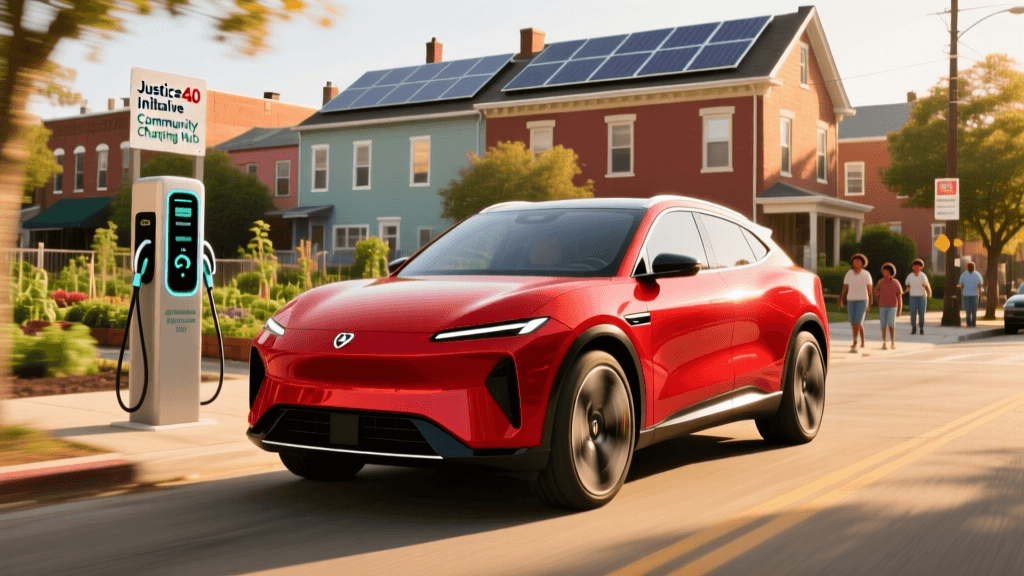
Instead of scattered, single-port installations, the industry is moving toward "Community Charging Hubs." These are centralized locations—often repurposed vacant lots, community centers, or grocery stores in recognized food deserts—equipped with four to eight DCFC ports ranging from 50 kW to 150 kW. By co-locating charging hubs with essential services and public transit nodes, cities can maximize the utility of a single, expensive utility transformer upgrade while providing safe, well-lit environments for residents to charge.
Federal Funding and the Policy Outlook
The financial catalyst for equitable infrastructure deployment lies in recent federal legislation. The Bipartisan Infrastructure Law allocated billions specifically to ensure the EV transition leaves no community behind. The cornerstone of this effort is the White House Justice40 Initiative, which mandates that 40% of the overall benefits of federal climate and clean energy investments flow to disadvantaged communities that have been historically marginalized by underinvestment.
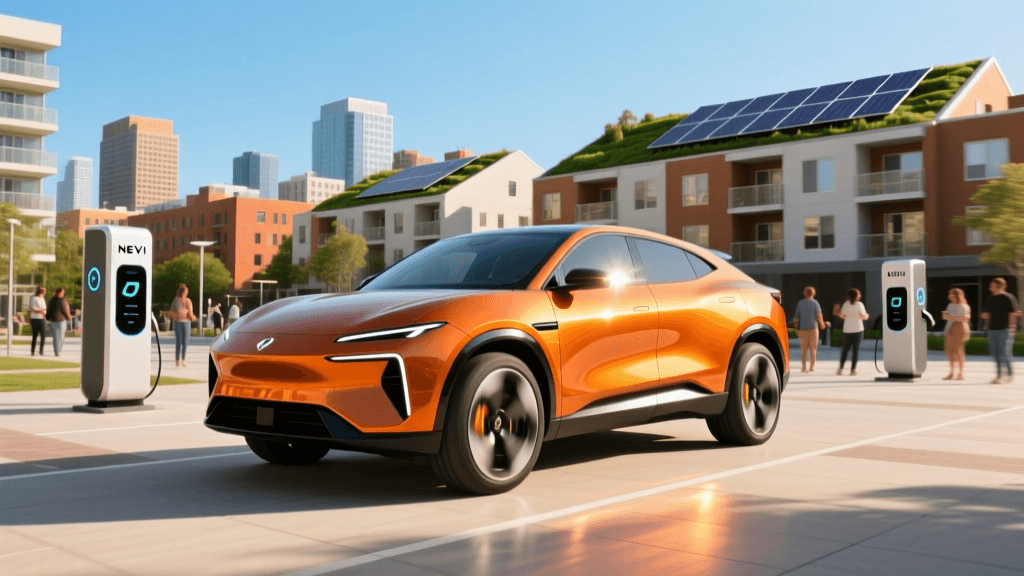
Within the transportation sector, the Federal Highway Administration's National Electric Vehicle Infrastructure (NEVI) Formula Program provides $5 billion to states, with strict requirements to prioritize equity. States must demonstrate how their deployment plans will serve rural areas, low-income neighborhoods, and communities with a high ratio of multi-family housing. Additionally, the $2.5 billion Charging and Fueling Infrastructure (CFI) Discretionary Grant Program specifically features a "Community" category, funding projects that are entirely focused on expanding access to public charging within urban and underserved neighborhoods, rather than just highway corridors.
Deployment Cost and Timeline Comparison
For municipal planners, fleet operators, and affordable housing developers, understanding the capital expenditure (CapEx) and deployment timelines of different equitable charging models is critical for securing grant funding. The table below outlines the estimated costs and timelines for the three primary infrastructure solutions targeting underserved areas.
| Solution Type | Hardware Cost (Est. per port) | Installation & Make-Ready Cost | Deployment Timeline | Best Use Case |
|---|---|---|---|---|
| Curbside / Streetlight L2 (3.5 - 7.2 kW) | $2,500 - $4,000 | $2,000 - $5,000 | 3 - 6 Months | Dense urban streets with on-street parking and no driveways. |
| MFH Smart L2 with DLM (9.6 - 11.5 kW) | $800 - $1,500 | $1,500 - $3,500 | 2 - 4 Months | Apartment complexes and affordable housing with limited panel capacity. |
| Community DCFC Hub (50 - 150 kW) | $35,000 - $75,000 | $80,000 - $150,000+ | 12 - 24 Months | Transit hubs, grocery centers, and repurposed municipal lots. |
Note: Installation costs for DCFC hubs are highly variable and heavily dependent on local utility requirements for new three-phase power lines and dedicated transformers.
Actionable Steps for Municipalities and Advocates
To effectively leverage federal funding and deploy equitable infrastructure, local governments and community-based organizations (CBOs) should adopt the following strategic steps:
- Conduct a "Make-Ready" Infrastructure Audit: Before purchasing chargers, cities should map the electrical capacity of existing streetlights and municipal buildings. Pre-wiring conduit during scheduled street repaving or sidewalk repairs can reduce future trenching costs by up to 70%.
- Mandate EV-Ready Building Codes: Municipalities must update local building codes to require that all new multi-family construction and major renovations include "EV-ready" parking spaces, meaning the conduit and wiring are in place, even if the physical charging hardware is not immediately installed.
- Implement Subsidized Charging Tariffs: Work with local utility providers to create specialized EV tariffs for LMI customers. This can include off-peak charging discounts or guaranteed monthly bill savings to offset the cost of public charging, which is traditionally more expensive than home charging.
- Prioritize Community Engagement: Do not drop infrastructure into a neighborhood without input. Partner with local CBOs to identify the most culturally and geographically appropriate locations for charging hubs, ensuring they are placed in safe, accessible, and highly visible areas.
The 2030 Outlook: V2G and Utility Bill Credits
Looking toward 2030, the ultimate frontier for EV charging equity is Vehicle-to-Grid (V2G) and Vehicle-to-Home (V2H) technology. In underserved communities that frequently suffer from grid instability and rolling blackouts, a bidirectional EV can serve as a mobile backup generator. Furthermore, as utility companies expand Virtual Power Plant (VPP) programs, residents in LMI communities who utilize shared, bidirectional community chargers could be financially compensated for allowing the grid to draw from their parked vehicles during peak demand events. This paradigm shift would transform the EV from a mere transportation expense into a revenue-generating asset, fundamentally altering the economic calculus of vehicle ownership in underserved neighborhoods and ensuring the electric revolution benefits everyone.