The Current State of EV Charging Inequity
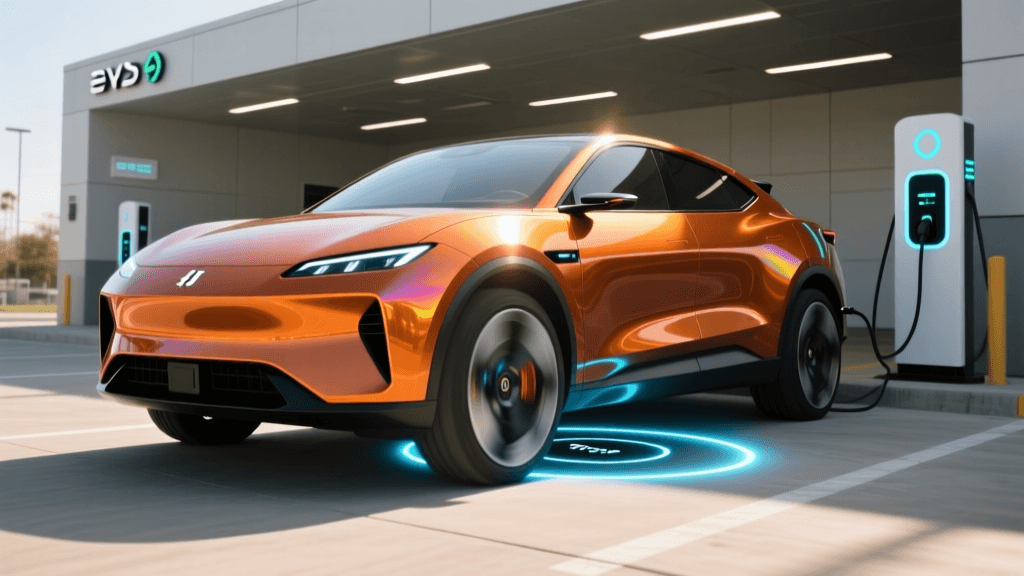
As the global transition to electric vehicles accelerates, a critical disparity has emerged in the deployment of charging infrastructure. While affluent suburban neighborhoods and major highway corridors are rapidly saturating with Level 2 and DC Fast Charging (DCFC) stations, low-income neighborhoods, rural communities, and multi-family dwelling (MFD) residents are being left behind. This phenomenon, often referred to as the creation of 'charging deserts,' threatens to stall the broader adoption of zero-emission vehicles by alienating the very demographics that stand to benefit the most from reduced fuel and maintenance costs.
Historically, the EV market has been driven by early adopters who possess the capital to purchase premium electric vehicles and the property rights to install home charging equipment. According to data from the Alternative Fuels Data Center (AFDC), the vast majority of public charging ports are concentrated in high-income zip codes and commercial retail centers. For the estimated 30% of Americans who live in multi-family housing or lack access to dedicated off-street parking, home charging is virtually impossible. Bridging this equity gap is no longer just a moral imperative; it is an economic and environmental necessity for the future of the automotive industry.
Future Trends: How the Industry is Closing the Gap
The EV charging industry is undergoing a paradigm shift, moving away from a purely profit-driven, retail-centric deployment model toward a more equitable, community-focused approach. This shift is being driven by federal mandates, innovative public-private partnerships, and the development of new hardware tailored for complex urban and rural environments.
The NEVI Formula Program and Justice40
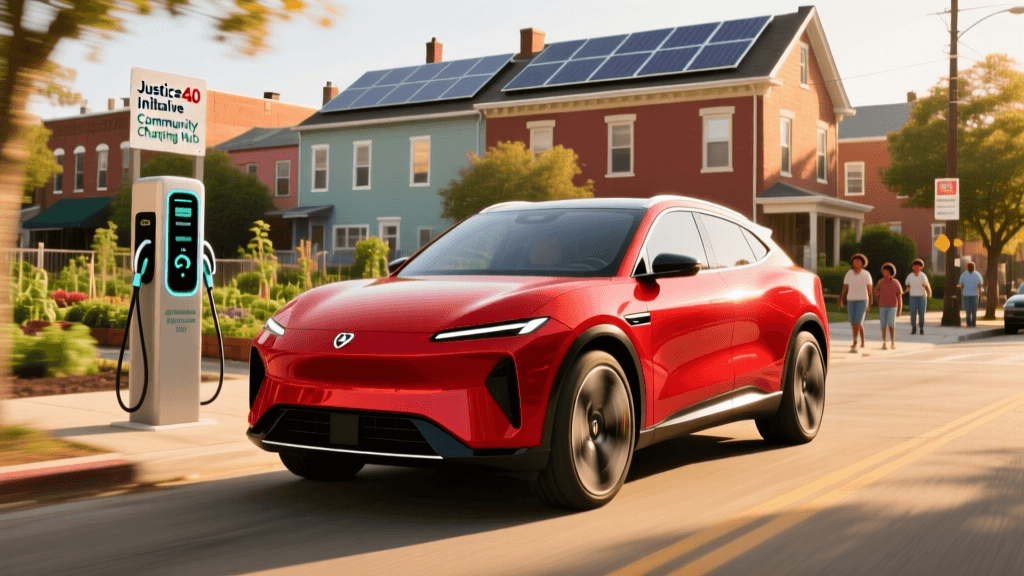
The most significant catalyst for equitable charging deployment is the federal government's National Electric Vehicle Infrastructure (NEVI) Formula Program. According to the Joint Office of Energy and Transportation, the NEVI program provides $5 billion in funding to states to build out a national charging network. Crucially, this funding is tied to the Justice40 Initiative, which mandates that at least 40% of the overall benefits of certain federal investments must flow to disadvantaged communities that are marginalized, underserved, and overburdened by pollution.
States are now required to prioritize NEVI funding for charging stations located in or immediately adjacent to these underserved areas. This means we are seeing a massive influx of capital directed toward community centers, public libraries, and transit hubs in low-income neighborhoods, rather than just premium shopping malls. Furthermore, the U.S. Department of Transportation's Rural EV Toolkit provides specialized guidance for deploying infrastructure in remote areas where grid capacity and low population density traditionally deter private investment.
The Rise of Community Mobility Hubs
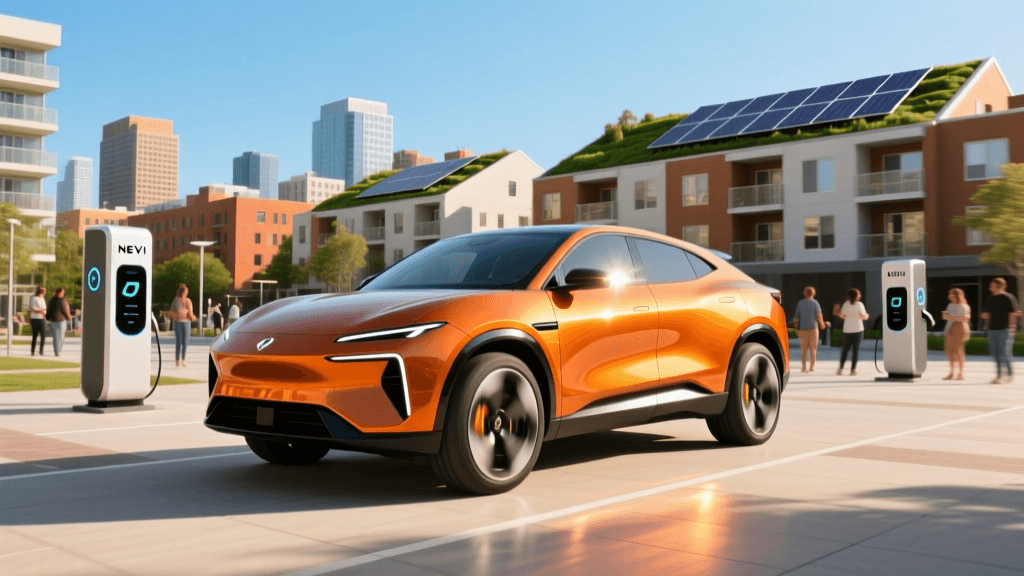
Instead of dropping a single, isolated dual-port charger in a remote parking lot, the industry is trending toward the development of 'Community Mobility Hubs.' These hubs integrate multiple DCFC ports with community amenities such as Wi-Fi, shaded seating, restrooms, and even local retail kiosks. By transforming the charging experience into a safe, comfortable, and productive environment, operators can increase utilization rates while providing tangible benefits to the surrounding neighborhood. Companies like EVgo and ChargePoint are increasingly partnering with local municipalities to design these hubs on underutilized public land, ensuring that the infrastructure serves the community rather than just passing through it.
Curbside and Multi-Family Dwelling Solutions
To address the lack of off-street parking, hardware manufacturers are innovating rapidly in the curbside and MFD charging space. Traditional Level 2 pedestals require extensive trenching and concrete work, which is prohibitively expensive for many city councils and property managers. The future lies in low-impact, modular solutions. Technologies that integrate Level 2 chargers directly into existing streetlamp poles or utilize modular, surface-mounted cable management systems are drastically reducing installation costs. For multi-family housing, smart-load-management software allows property managers to share a limited electrical capacity across dozens of charging ports without requiring a costly utility transformer upgrade.
Actionable Guide: Deploying Chargers in Underserved Areas
For community leaders, local business owners, and property managers looking to capitalize on these trends and bring equitable charging to their neighborhoods, a strategic approach is required. Below is a comparison of hardware and funding strategies tailored for underserved communities.
| Hardware / Strategy | Best Use Case | Estimated Cost | Grant / Funding Match |
|---|---|---|---|
| DCFC Hub (e.g., BTC Power 120kW) | Community Centers, Transit Hubs | $70,000 - $120,000 per unit | Up to 80% via NEVI / State Grants |
| Smart Level 2 (e.g., ChargePoint CT4021) | Multi-Family Housing, Workplaces | $6,000 - $10,000 per dual-port | Up to 100% via Utility Make-Ready |
| Curbside Pole Mount (e.g., ubitricity) | Dense Urban Streets, No Off-Street Parking | $3,000 - $5,000 per port | Municipal DOT Budgets / Local Grants |
| Mobile / Battery-Buffered Chargers | Rural Events, Temporary Grid Relief | $40,000 - $80,000 per unit | EPA Community Change Grants |
Step 1: Leverage Utility Make-Ready Programs
The most significant barrier to deploying chargers in underserved areas is not the cost of the charger itself, but the 'make-ready' infrastructure costs. Upgrading transformers, running new conduit, and increasing grid capacity can cost anywhere from $10,000 to over $100,000. Fortunately, many Investor-Owned Utilities (IOUs) now offer Make-Ready Programs specifically designed to cover 100% of the infrastructure costs for projects located in disadvantaged communities. Before purchasing any hardware, site hosts should consult their local utility's EV infrastructure tariff to see if they qualify for full make-ready coverage, effectively eliminating the largest capital expenditure.
Step 2: Select Scalable, OCPP-Compliant Hardware
When deploying in communities that may face budget constraints for long-term maintenance, selecting the right hardware is critical. Always specify chargers that are Open Charge Point Protocol (OCPP) compliant. OCPP ensures that the hardware is not locked to a single software network. If a proprietary network goes out of business or raises its subscription fees, an OCPP-compliant charger can be seamlessly migrated to a new, more affordable software provider. Additionally, for MFD and curbside deployments, prioritize hardware with integrated load-balancing capabilities. This allows the system to dynamically distribute available amperage across multiple vehicles, preventing tripped breakers and avoiding the need for massive panel upgrades.
Step 3: Implement Equitable Billing and Access Models
Technology is only half the battle; accessibility is the other. Many underserved community members may be unbanked or lack access to smartphones and credit cards, which are typically required to initiate a charging session via proprietary apps. To ensure true equity, site hosts must deploy chargers that support multiple payment methods. This includes RFID cards (which can be distributed via local community centers), Plug-and-Charge technology (which automatically bills the vehicle's linked account upon connection), and, most importantly, tap-to-pay credit and debit card readers. Furthermore, implementing tiered pricing—such as offering discounted rates during off-peak hours or for residents of specific affordable housing complexes—can make EV ownership financially viable for lower-income drivers.
The Outlook for 2025 and Beyond
Looking ahead, the EV charging industry will increasingly be judged not just by the total number of ports deployed, but by the geographic and demographic equity of those deployments. As federal funding from the NEVI program and the Inflation Reduction Act continues to flow into local economies, we expect to see a surge in community-owned charging cooperatives and micro-grid integrations. Solar-canopy charging stations paired with battery energy storage systems (BESS) will become standard in rural and underserved urban areas, providing grid resilience and lowering operational costs. By prioritizing equitable access, the industry can ensure that the clean transportation revolution leaves no community behind.