Introduction to Commercial DCFC Deployment
Deploying Level 3 DC Fast Chargers (DCFC) in commercial environments is a complex engineering endeavor that extends far beyond simply mounting a unit to a wall. Unlike Level 2 AC chargers that often draw from existing electrical panels, Level 3 chargers operate on 480V three-phase power and deliver anywhere from 50kW to over 350kW of direct current. This massive energy transfer requires meticulous site planning, heavy-duty electrical infrastructure, and extensive utility coordination. According to the U.S. Department of Energy (DOE), the transition to high-power commercial charging hubs is critical for supporting long-haul electric fleets and high-volume retail destinations, but it demands a rigorous approach to installation and safety.
This expert guide breaks down the end-to-end process of commercial Level 3 DCFC installation, providing actionable best practices for site assessment, electrical make-ready work, hardware selection, and long-term reliability.
Phase 1: Site Assessment and Utility Interconnection
The most common point of failure in commercial DCFC projects is underestimating the utility interconnection timeline. A single 150kW DCFC requires approximately 175 kVA of dedicated transformer capacity. If you are deploying a hub with four 150kW dispensers, you will need a dedicated 750 kVA to 1000 kVA pad-mounted transformer, plus a new utility service drop.
Key Utility Coordination Steps:
- Load Letter Submission: Submit a detailed load letter to your local utility provider immediately. This document outlines the maximum anticipated power draw and helps the utility determine if the local grid can support your site.
- Interconnection Agreement: Negotiate the interconnection agreement early. Utilities often require 3 to 9 months to upgrade local distribution lines or install new pad-mounted transformers.
- Demand Charge Analysis: Commercial EV charging is heavily impacted by utility demand charges (fees based on your highest 15-minute power spike). Work with an energy consultant to secure specialized EV utility rates or install on-site battery energy storage systems (BESS) to shave peak demand.
As noted by the Alternative Fuels Data Center (AFDC), early engagement with the local utility and understanding the site's existing service capacity are the most critical factors in determining project feasibility and overall budget.
Phase 2: Electrical Infrastructure and Make-Ready Work
The 'make-ready' phase encompasses all the electrical infrastructure required to deliver power from the utility transformer to the charger dispensers. This is often the most expensive and time-consuming portion of a commercial installation.
Trenching and Conduit Best Practices
Commercial sites typically require extensive trenching through asphalt or concrete. For high-voltage DCFC applications, best practices dictate using rigid metal conduit (RMC) or heavy-wall PVC encased in concrete.
- Trench Depth: Maintain a minimum burial depth of 36 inches for rigid steel conduit and 48 inches for PVC to comply with local codes and prevent future excavation damage.
- Pull Boxes: Install concrete pull boxes every 100 feet or at any conduit bend exceeding 45 degrees. High-power DCFC wiring (often 500 MCM copper or larger) is extremely stiff and difficult to pull without adequate access points.
- Future-Proofing: Always install empty spare conduits with pull strings during the initial trenching phase. Upgrading from 150kW to 350kW chargers in the future will require additional wiring; having spare conduits in place saves tens of thousands of dollars in future concrete cutting.
Switchgear and Power Cabinets
For multi-dispenser sites, utilize a centralized power cabinet architecture (like the ChargePoint Express Plus or Tritium PKM). This allows you to place the heavy, noisy power conversion electronics in a centralized, well-ventilated utility area, while running only low-voltage DC lines to the sleek dispensers in the parking stalls. This reduces the footprint in the parking lot and simplifies maintenance.
Phase 3: Hardware Selection and Layout Best Practices
Selecting the right hardware and designing an intuitive layout is crucial for driver experience and operational uptime.
Hardware Considerations
- Liquid-Cooled Cables: For chargers operating at 250kW and above, liquid-cooled cables are mandatory. They allow the cable diameter to remain manageable (around 1.1 inches) compared to uncooled high-amp cables, which can be over 2.5 inches thick and too heavy for most drivers to maneuver.
- OCPP Compliance: Ensure your hardware supports Open Charge Point Protocol (OCPP) 1.6J or 2.0.1. This ensures you are not locked into a single software network and can switch backend management providers if needed.
- Modular Power Architecture: Choose systems that allow dynamic power sharing. If two vehicles plug into a 300kW dual-port charger, and one vehicle's battery can only accept 50kW, the system should dynamically route the remaining 250kW to the second vehicle.
Site Layout and Cable Management
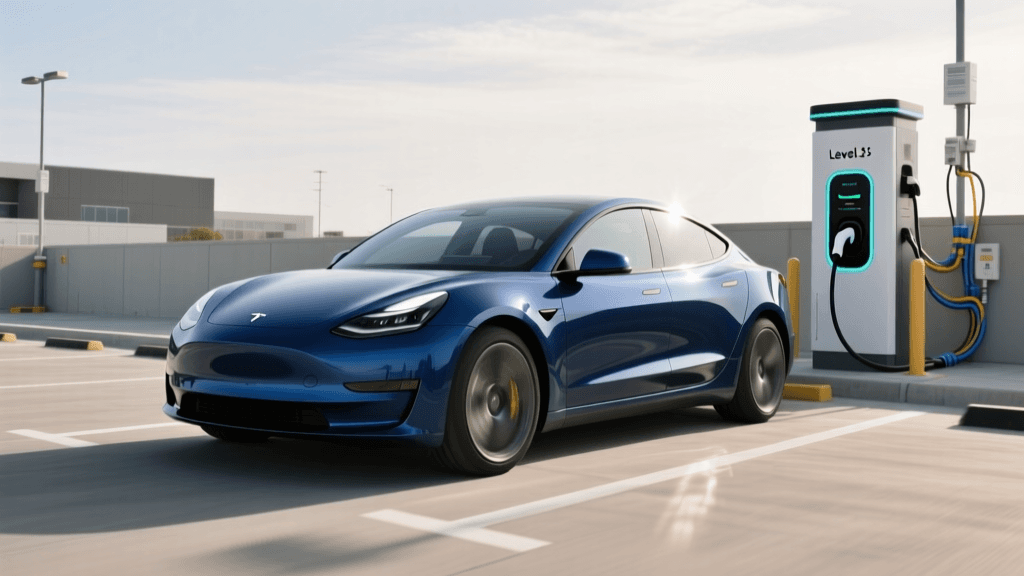
Poor site layout leads to cable degradation and driver frustration. Never design a layout that requires a driver to stretch a cable across a driving lane or walkway. Utilize overhead cable management systems (retractors) to keep cables off the ground, preventing abrasion, snow burial, and trip hazards. Furthermore, install protective bollards around the dispensers to prevent vehicle collision damage, ensuring the bollards are placed far enough back so they do not impede the opening of the vehicle's charge port door.
Commercial DCFC Installation Cost and Timeline Breakdown
Budgeting for a commercial DCFC hub requires looking beyond the sticker price of the charger. Below is an estimated breakdown for a typical dual-dispenser 300kW site (assuming existing utility service is nearby but requires a new transformer).
| Project Phase | Estimated Cost Range | Typical Timeline |
|---|---|---|
| Hardware (2x 150kW Dispensers + Power Cabinet) | $80,000 - $130,000 | 12 - 20 Weeks (Lead Time) |
| Utility Interconnection & New Transformer | $30,000 - $120,000+ | 3 - 9 Months |
| Make-Ready (Trenching, Conduit, Switchgear) | $40,000 - $90,000 | 4 - 8 Weeks |
| Permitting, Engineering, and Commissioning | $15,000 - $30,000 | 4 - 12 Weeks |
| Total Estimated Project Cost | $165,000 - $370,000+ | 4 - 12 Months |
Phase 4: Permitting, Commissioning, and ADA Compliance
Navigating local building codes and accessibility requirements is a non-negotiable aspect of commercial installation. All electrical work must comply with the NFPA 70: National Electrical Code (NEC), specifically Article 625, which governs Electric Vehicle Charging Systems. This includes strict requirements for ground-fault protection, emergency disconnects, and ventilation for indoor installations.
ADA Compliance Best Practices
The Americans with Disabilities Act (ADA) mandates that commercial charging hubs provide accessible routes and interfaces. Best practices include:
- Providing at least one ADA-compliant charging stall with an adjacent access aisle (minimum 8 feet wide).
- Ensuring the charger interface screen and connector holster are mounted no higher than 48 inches from the ground surface.
- Maintaining a firm, stable, and slip-resistant surface along the accessible route from the parking stall to the charger.
- Ensuring cable management systems do not allow heavy cables to swing into or block the accessible walkway.
Expert Best Practices for Long-Term Reliability
To maximize uptime and return on investment, commercial operators must implement proactive maintenance and environmental protections.
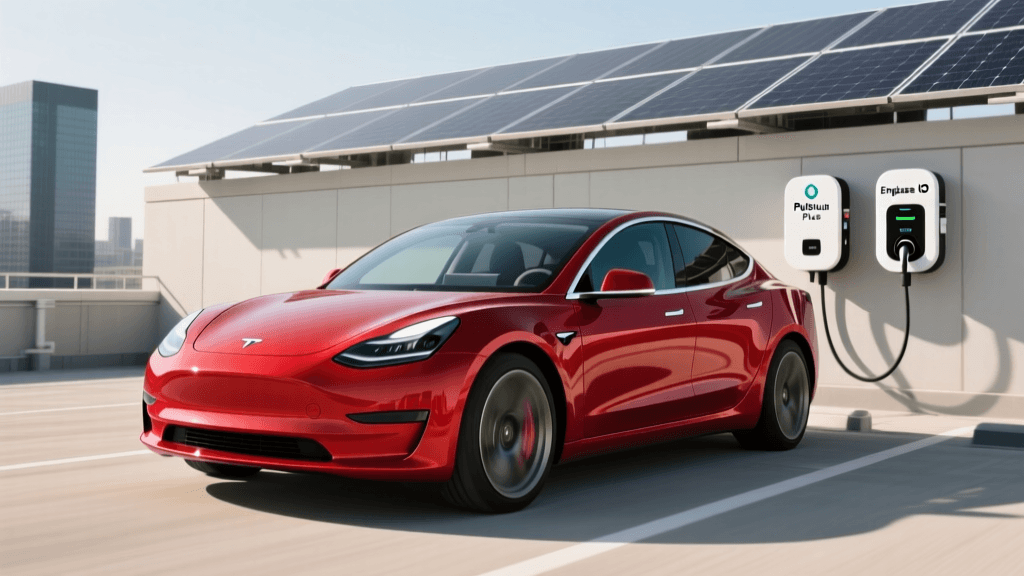
- Install Weather Canopies: While DCFC units are NEMA 3R rated for outdoor use, direct sunlight degrades touchscreens and plastic casings over time. Solar canopies not only protect the hardware and the user from extreme weather but can also offset the site's energy consumption.
- Thermal Management Maintenance: DCFCs generate immense heat. Liquid-cooled systems require regular checks of coolant levels and filter replacements. Air-cooled systems require monthly cleaning of intake filters to prevent thermal throttling during summer months.
- Hardwired Connectivity: While most chargers come with cellular modems, commercial hubs in areas with poor reception should hardwire the primary dispenser to a dedicated ethernet line. Network drops can prevent payment processing and remote diagnostics, directly impacting revenue.
- Preventative Maintenance Contracts: Do not rely on break-fix models. Establish a Service Level Agreement (SLA) with your hardware provider or a certified third-party EVSE technician to perform bi-annual inspections, torque checks on electrical lugs, and firmware updates.
By treating a Level 3 DCFC installation as a major infrastructure project rather than a simple appliance upgrade, commercial operators can build resilient, high-performing charging hubs that serve the growing EV market reliably for decades.