The Shift to Level 2: Why NEMA 14-50?
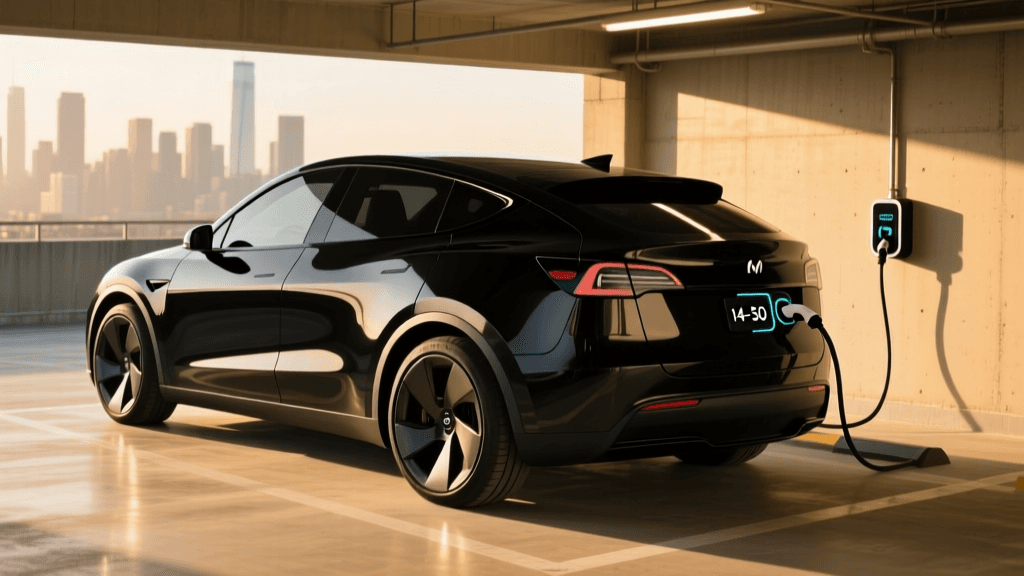
Transitioning from a standard 120V wall outlet (Level 1) to a 240V Level 2 charging setup is the single most impactful upgrade an electric vehicle (EV) owner can make for their daily driving experience. Among the various Level 2 configurations, the NEMA 14-50 outlet has emerged as the gold standard for residential EV charging. Originally designed for heavy-duty appliances like electric ranges and RV hookups, the NEMA 14-50 provides a robust, high-capacity 240-volt circuit that can deliver up to 40 amps of continuous power, translating to roughly 30 to 40 miles of range per hour of charging.
According to the U.S. Department of Energy, over 80% of EV charging occurs at home, making the reliability, safety, and cost-effectiveness of your home charging infrastructure paramount. However, homeowners are often met with conflicting quotes, confusing electrical jargon, and uncertainty regarding the true return on investment. In this comprehensive cost and value breakdown, we will dissect the exact expenses associated with installing a NEMA 14-50 outlet, compare it to hardwired alternatives, and help you determine if this specific installation method offers the best long-term value for your household.
Anatomy of a NEMA 14-50 Installation: The Core Components
Before analyzing the costs, it is crucial to understand what a proper NEMA 14-50 installation actually requires. A safe, code-compliant setup is not just about plugging into an existing dryer outlet; it requires dedicated, heavy-duty materials designed for continuous high-draw loads.
The Receptacle: Hubbell vs. Leviton
Not all NEMA 14-50 receptacles are created equal. While standard hardware store brands like Leviton are perfectly fine for a stove that runs intermittently, EV charging represents a "continuous load" that can draw maximum current for 8 to 12 hours straight. This sustained heat can melt inferior receptacles. The EV community and professional electricians overwhelmingly recommend the Hubbell 9450A or the Cooper 5754N. These industrial-grade receptacles feature superior internal gripping mechanisms and high-temperature thermoset materials that prevent melting and voltage drop over years of daily use.
Wiring and Breakers
A 50-amp circuit requires a double-pole 50A breaker and 6 AWG copper wire (or 4 AWG aluminum, though copper is vastly preferred for its conductivity and ease of termination). The Electrical Safety Foundation International (ESFI) strongly emphasizes that all EV charging circuits must be installed on dedicated breakers with no other appliances sharing the load. Furthermore, the National Electrical Code (NEC) mandates the "80% continuous load rule," meaning a 50-amp breaker can only safely deliver 40 amps of continuous power to your EV, yielding a maximum output of 9.6 kW.
Comprehensive Cost Breakdown: What Will You Actually Pay?
The cost of installing a NEMA 14-50 outlet varies wildly based on your home's existing electrical infrastructure, the distance from your main panel to the garage, and local labor rates. Below is a detailed cost table representing a standard installation where the electrical panel has adequate capacity and is located relatively close to the charging location (within 30 to 50 feet).
| Component / Service | Estimated Cost Range | Value Notes |
|---|---|---|
| Industrial Receptacle (Hubbell 9450A) | $35 - $55 | Do not cheap out here; industrial grade is mandatory for EV safety. |
| 6 AWG Copper Wire (per foot) | $3 - $6 / ft | Cost scales with distance. Conduit may add $2-$4/ft. |
| 50A Double-Pole Breaker | $30 - $65 | Must match your specific panel brand (e.g., Square D, Eaton). |
| Permit & Inspection Fees | $50 - $150 | Required for insurance validity and local code compliance. |
| Electrician Labor (Standard) | $300 - $800 | Assumes easy access, no drywall cutting, and short wire runs. |
| Total Estimated Cost (Standard) | $415 - $1,070 | Excludes panel upgrades or complex trenching. |
When evaluating these costs, it is clear that the physical materials represent a small fraction of the total bill. The bulk of your investment goes toward skilled, licensed labor and permitting. Skimping on a licensed electrician to save $300 can result in failed inspections, voided home insurance policies, and severe fire hazards.
Hardwired vs. NEMA 14-50 Plug: Where is the True Value?
One of the most common debates in the EV community is whether to install a NEMA 14-50 receptacle or to hardwire the EV charger directly into the electrical panel. Both methods have distinct cost and value propositions.
The Portability Premium
The primary value of the NEMA 14-50 outlet is portability and flexibility. If you purchase a plug-in EV charger (like the ChargePoint Home Flex or Tesla Wall Connector with a plug adapter), you can unplug it and take it with you if you move to a new house. Furthermore, if the charger unit itself fails, you can simply unplug it, ship it for warranty replacement, and plug the new one in without needing to hire an electrician to disconnect and reconnect hardwired cables. This flexibility represents immense long-term value, effectively future-proofing your investment.
The GFCI Nuisance Tripping Issue
However, the plug-in route has a hidden technical drawback rooted in recent electrical codes. The NEC 2017 and 2020 updates require GFCI (Ground Fault Circuit Interrupter) protection for all 14-50 receptacles in garages. Because high-end EV chargers already have internal GFCI protection, installing a GFCI breaker on a plug-in circuit creates a "double GFCI" scenario. This frequently leads to nuisance tripping, where the breaker randomly shuts off your charging session in the middle of the night. Hardwired chargers are exempt from this specific NEC GFCI breaker requirement, making hardwiring the more reliable, albeit less flexible, choice for uninterrupted charging.
Hidden Costs and Potential Roadblocks
The $415 to $1,070 estimate assumes a "best-case scenario." Homeowners must budget for potential hidden costs that can drastically alter the value equation:
- Electrical Panel Upgrades: If your home has an older 100-amp service, adding a 50-amp EV circuit will likely exceed your panel's load capacity. Upgrading to a 200-amp panel typically costs between $1,500 and $3,000. While expensive, this upgrade adds significant resale value to your home.
- Trenching and Conduit: If your electrical panel is on the opposite side of the house from your garage, or if you are installing a charger in a detached workshop, electricians will need to trench the yard and lay underground conduit. This can add $50 to $100 per linear foot to the labor and material costs.
- Drywall Repair: If your garage is finished and the electrician must cut into drywall to fish the 6 AWG wire through the studs, you will need to budget for patching, mudding, and repainting, which is rarely included in the electrician's quote.
Calculating Your Return on Investment (ROI)
Does the upfront cost of a NEMA 14-50 installation make financial sense? To determine the ROI, we must compare the cost of home charging against public DC fast charging and traditional gasoline.
Data from the Alternative Fuels Data Center consistently shows that home electricity rates yield the lowest cost-per-mile for EV owners. Let's look at a practical scenario:
- Average Public DC Fast Charging Cost: $0.40 per kWh
- Average Residential Electricity Cost: $0.15 per kWh
- Monthly Driving Distance: 1,000 miles (approx. 300 kWh consumed)
If you rely entirely on public fast charging, your monthly fuel cost is $120. By installing a NEMA 14-50 outlet and charging at home, your monthly fuel cost drops to $45. This generates a monthly savings of $75, or $900 annually. Based on our standard installation cost of $800, the NEMA 14-50 outlet will completely pay for itself in roughly 10.5 months. After that first year, every charge is essentially putting money back into your pocket, not to mention the hundreds of dollars saved annually on gasoline, oil changes, and emissions testing.
Conclusion: Is the NEMA 14-50 Worth the Investment?
From a pure cost and value perspective, installing a NEMA 14-50 outlet is one of the highest-ROI home improvements an EV owner can undertake. While the initial outlay of $500 to $1,500 may seem steep, the rapid payback period, combined with the immense convenience of waking up to a full battery every morning, makes it an undeniable necessity for modern EV ownership.
To maximize your value, insist on industrial-grade receptacles like the Hubbell 9450A, ensure your electrician pulls the proper local permits, and carefully weigh the convenience of a plug-in setup against the reliability of a hardwired connection based on your local GFCI code enforcement. By planning your installation strategically, you will secure a safe, efficient, and highly valuable charging ecosystem that will serve you through your current EV and well into your next one.