Why Upgrade to a 240V Level 2 Home Charger?
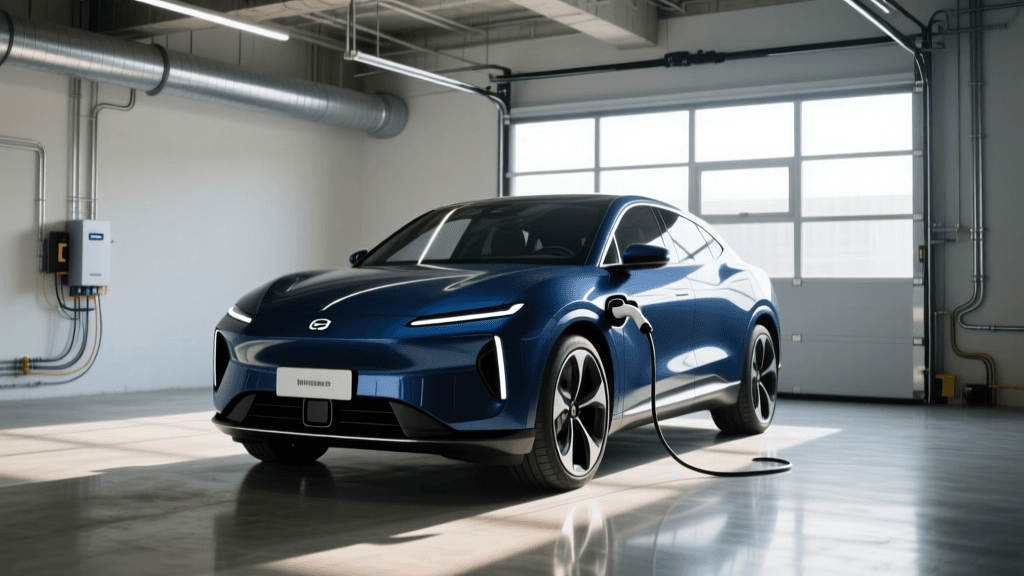
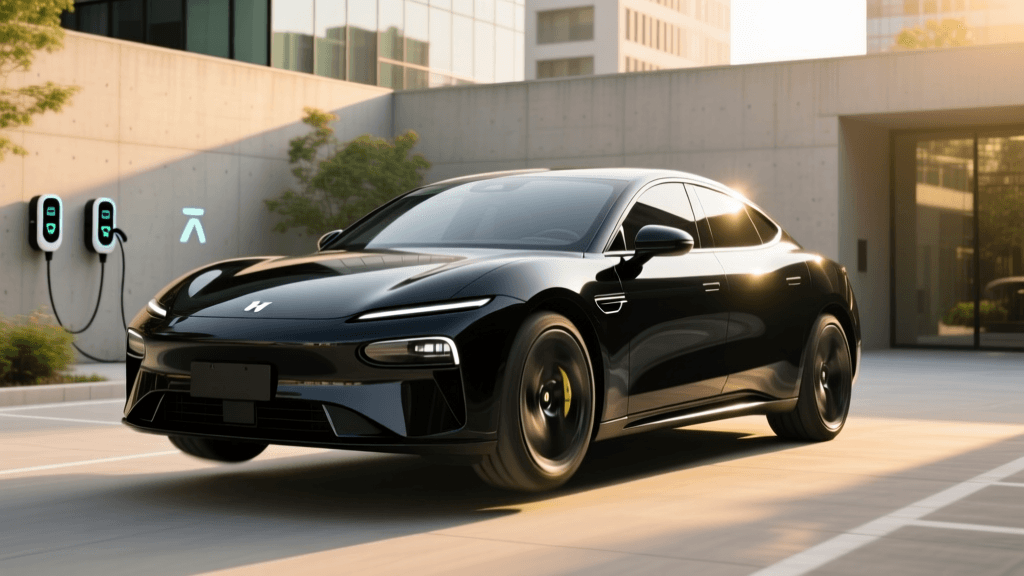
For electric vehicle (EV) owners, relying on a standard 120V Level 1 charger can often feel like watching paint dry. While Level 1 charging is sufficient for plug-in hybrids or EVs with very small daily commutes, it typically only delivers 3 to 5 miles of range per hour of charging. Upgrading to a 240V Level 2 home charger is the single most impactful improvement you can make to your EV ownership experience. A properly installed Level 2 charger can deliver anywhere from 20 to 40 miles of range per hour, meaning your vehicle will easily replenish its battery overnight, regardless of whether you drive a compact commuter car or a massive electric pickup truck.
According to the U.S. Department of Energy's Alternative Fuels Data Center, home charging is the most convenient and cost-effective way to fuel your EV, accounting for the vast majority of all charging sessions. However, installing a 240V circuit requires careful planning, adherence to local electrical codes, and a solid understanding of your home's electrical capacity. This comprehensive guide will walk you through the exact steps required to install a 240V Level 2 EV charger safely and efficiently.
Pre-Installation Assessment: Electrical Panel Capacity
Before purchasing a charger, running wire, or hiring an electrician, you must evaluate your home's electrical service panel. Most modern homes are equipped with a 200-amp main service panel, but older homes may only have 100-amp or 150-amp service. A Level 2 EV charger is considered a "continuous load" by the National Electrical Code (NEC), meaning it is expected to run for three hours or more continuously. Because of this, the NEC mandates that the circuit breaker must be rated at 125% of the charger's maximum amperage draw.
For example, if you purchase a 40-amp Level 2 charger, you must install a 50-amp double-pole breaker. Furthermore, your total home electrical load, plus the new EV charger, cannot exceed 80% of your main panel's total capacity. If your home's calculated load is already near the maximum limit of your 200-amp panel, you may need to perform a heavy-up (panel upgrade) or install an automated EV energy management system (EVEMS) that dynamically throttles charger power when other major appliances are in use.
Hardwired vs. NEMA 14-50 Receptacle: Which is Right for You?
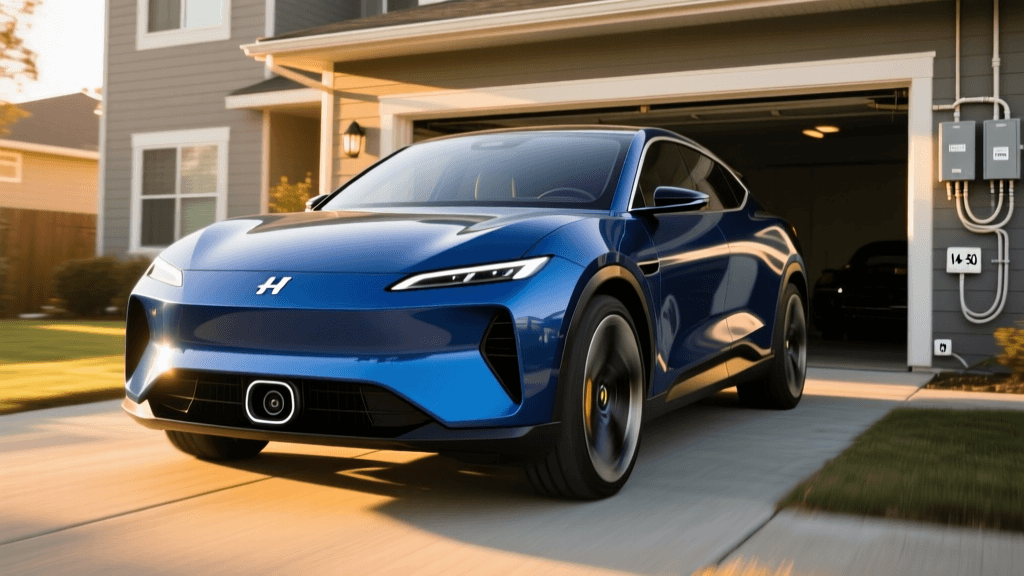
When planning your 240V installation, you must choose between a hardwired connection and a NEMA 14-50 receptacle. Both have distinct advantages depending on your specific needs, garage layout, and local code requirements.
| Feature | Hardwired Installation | NEMA 14-50 Receptacle |
|---|---|---|
| Portability | Fixed to one location | Charger can be unplugged and moved |
| GFCI Breaker Requirement | Generally not required (charger has internal GFCI) | Required by NEC, which can cause nuisance tripping |
| Maximum Amperage | Up to 48A (60A breaker) or higher | Strictly limited to 40A continuous (50A breaker) |
| Aesthetics | Cleaner look, no bulky plug | Visible outlet and heavy cord |
For most permanent residential setups, a hardwired installation is highly recommended. It eliminates the need for an expensive GFCI breaker (since the EV charger itself contains ground-fault protection) and allows for higher amperage charging speeds.
Step-by-Step 240V Level 2 Charger Installation
Disclaimer: Working inside a main electrical panel is extremely dangerous and can be fatal. The following steps are for educational purposes. Always hire a licensed, insured electrician to perform or inspect your electrical work, and ensure you pull the necessary local permits.
Step 1: Secure Permits and Turn Off Main Power
Electrical work of this magnitude almost always requires a permit from your local building department. Pulling a permit ensures that a city or county inspector will verify the work, keeping your home safe and ensuring your insurance coverage remains valid in the event of an electrical fire. Once the permit is secured and the work begins, the very first physical step is to shut off the main breaker to the entire house. Use a non-contact voltage tester to verify that the bus bars inside the panel are completely de-energized before proceeding.
Step 2: Install the Double-Pole Breaker
For a standard 50-amp circuit (which supports up to 40 amps of continuous charging), you will need a 50-amp, 240V double-pole breaker. Snap the breaker into the designated slots on the panel's bus bar. Ensure it is seated firmly and securely. If your local jurisdiction requires a GFCI breaker for your specific setup (such as for a NEMA 14-50 outlet in certain states), you must route the neutral wire to the breaker's designated terminal before connecting it to the neutral bus bar.
Step 3: Run Conduit and Pull Wire
For a 50-amp circuit, the NEC mandates the use of 6 AWG copper wire. If the run is outdoors, exposed, or through unfinished masonry walls, you must use individual THHN/THWN-2 conductors pulled through rigid metal, PVC, or flexible metallic conduit. For indoor, dry, finished walls, 6/3 NM-B (Romex) cable is permissible. You will need two hot wires (typically black and red), one neutral wire (white), and one ground wire (bare copper or green). The ground wire must be sized appropriately; for a 50-amp circuit, a 10 AWG copper ground is the minimum requirement, though many electricians prefer to run a 6 AWG ground for added safety and future-proofing.
Step 4: Terminate the Connections
If you are installing a NEMA 14-50 receptacle, wire the two hot wires to the brass X and Y terminals, the neutral to the silver W terminal, and the ground to the green G terminal. It is absolutely critical to use a calibrated torque screwdriver to tighten the terminal screws to the manufacturer's exact specifications. Loose connections create high resistance, which generates extreme heat and is a leading cause of electrical fires in EV charging setups. If hardwiring, route the wires directly into the charger's junction box and connect them to the corresponding internal terminal blocks, again using a torque screwdriver.
Step 5: Mount, Test, and Inspect
Secure the EV charger's mounting bracket to the wall studs using heavy-duty lag screws. Hang the unit, restore power at the main panel, and turn on the new double-pole breaker. The charger should power on and run its internal self-diagnostics. Finally, plug in your EV (or connect the hardwired pigtail) and verify that the charging session initiates successfully. Schedule your final inspection with the local building authority to close out your permit.
Understanding NEC Article 625 and Code Compliance
The National Fire Protection Association (NFPA) outlines specific rules for EV charging in NFPA 70, also known as the National Electrical Code (NEC). Article 625 specifically governs Electric Vehicle Charging Systems. Recent editions of the NEC have introduced stricter requirements, particularly regarding GFCI protection for receptacles used for EV charging and the mandatory use of EV energy management systems in homes with limited electrical capacity. Understanding these codes is vital, as local inspectors will strictly enforce Article 625 to prevent overloaded transformers and residential fires.
Cost Breakdown: What to Expect
The cost of installing a 240V Level 2 charger varies wildly based on the distance from your electrical panel to the garage, the need for conduit, and local labor rates. Here is a general breakdown of what homeowners can expect to pay:
- Level 2 EV Charger Unit: $350 to $700 (e.g., ChargePoint Home Flex, Wallbox Pulsar Plus)
- Materials (Wire, Conduit, Breaker): $150 to $400
- Permits and Inspections: $50 to $200
- Electrician Labor: $400 to $1,500+
- Panel Upgrade (if required): $2,000 to $4,000
For a standard installation where the panel is located right next to the garage wall, expect to pay between $800 and $1,200 in total labor and materials. If the panel is on the opposite side of a finished basement, trenching or long conduit runs can push the cost well past $2,500.
Final Thoughts on Your 240V Installation
Upgrading to a Level 2 home charger transforms the EV ownership experience from a potential logistical headache into a seamless, frictionless routine. By waking up to a full battery every morning, you eliminate the need to visit public charging stations for daily driving needs. While the upfront cost and electrical requirements of a 240V installation may seem daunting, following the proper steps, adhering to NEC Article 625, and hiring a qualified professional ensures that your home charging setup will be safe, reliable, and ready to power your electric adventures for years to come.