Introduction to Multi-Unit Dwelling (MUD) EV Charging
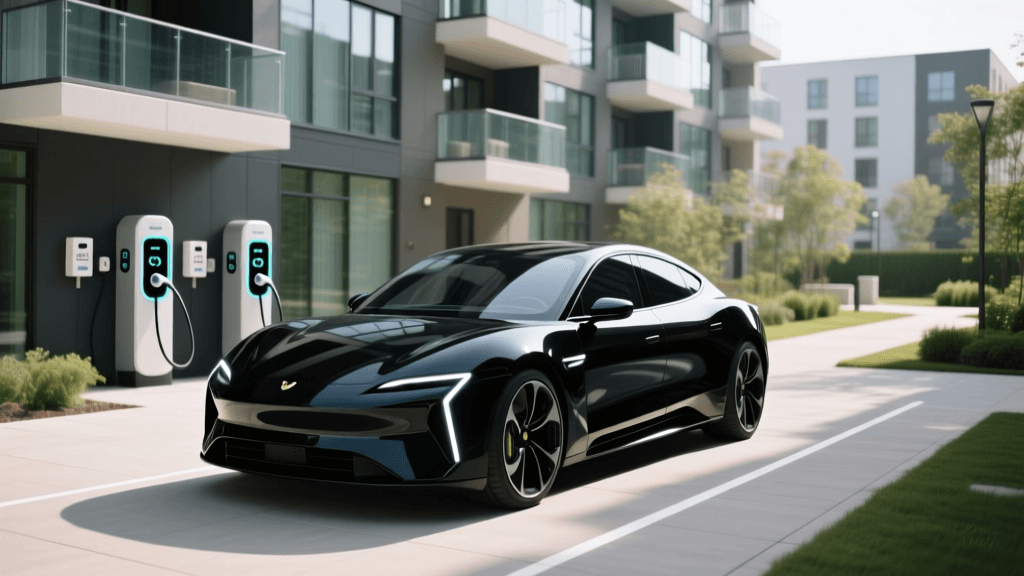
Installing Electric Vehicle Supply Equipment (EVSE) in a multi-unit dwelling (MUD) such as a condominium complex, apartment building, or townhome community presents a unique set of engineering, legal, and logistical challenges. Unlike single-family homes where a dedicated 240V circuit can be easily run to a private garage, shared MUD environments require careful consideration of total building electrical capacity, equitable access, automated billing, and strict compliance with commercial building codes. This comprehensive how-to guide walks property managers, HOA board members, and electrical contractors through the exact standards and steps required to successfully deploy shared EV charging infrastructure.
Step 1: Conducting a Comprehensive Electrical Load Study
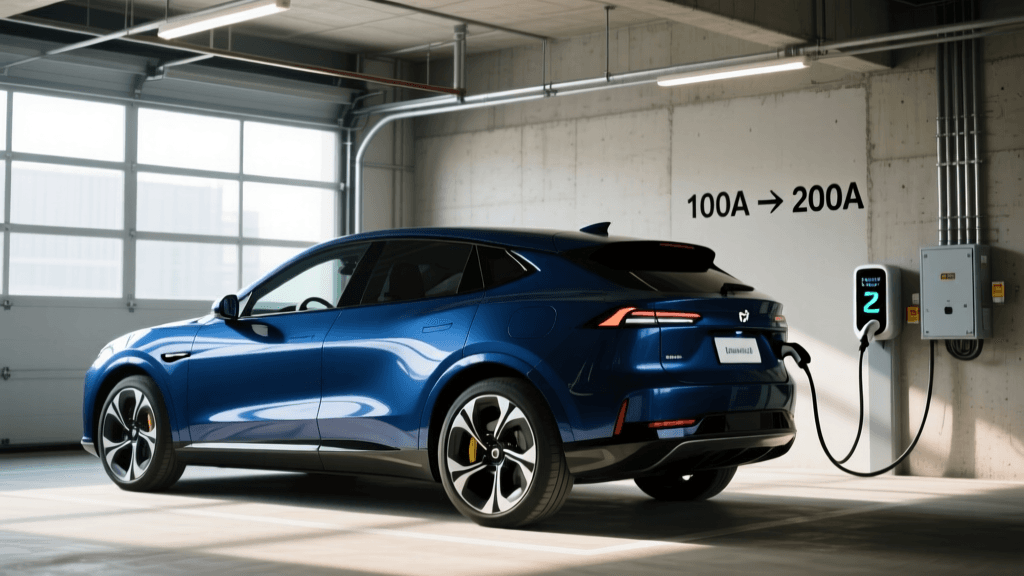
The most critical first step in any MUD EVSE installation is determining the available electrical capacity of the building's main service panel. Most older multi-unit buildings do not have the spare amperage to support multiple Level 2 (240V) chargers operating simultaneously at their maximum draw. For example, adding ten 40-amp chargers would theoretically require 400 amps of continuous spare capacity, which is rare.
To solve this, engineers utilize Automatic Load Management (ALM) systems. ALM software communicates with the main building meter and the individual EVSE units in real-time. If the building's overall electrical demand spikes (e.g., during peak evening hours when HVAC and cooking appliances are running), the ALM dynamically throttles the power delivered to the EV chargers to prevent tripping the main breaker. Conversely, during low-demand periods like midnight to 5:00 AM, the ALM allows the chargers to operate at maximum output.
When calculating load, contractors must adhere to the guidelines set forth in the National Electrical Code (NFPA 70), specifically Article 625, which governs EV charging systems. The NEC requires that EVSE be treated as a continuous load, meaning the circuit must be derated by 20%. Therefore, a charger delivering a continuous 32 amps requires a breaker rated for at least 40 amps.
Step 2: Selecting Networked Hardware and OCPP Software
Shared chargers in a MUD must be 'networked' to handle user authentication, track energy consumption, and process payments. When selecting hardware, property managers should prioritize Open Charge Point Protocol (OCPP) compliance. OCPP is an open-source communication standard that allows the physical charging hardware to communicate with third-party backend software.
By choosing OCPP-compliant hardware (such as the EVBox BusinessLine, Blink Networked, or Wallbox Pulsar Plus commercial editions), the HOA or property management company avoids vendor lock-in. If the network provider raises their software subscription fees, the building can simply switch to a different OCPP-compatible software provider without having to rip out and replace the physical charging units.
For the software backend, platforms like ChargePoint Multi-Family Solutions, Enel X Way, and EVConnect offer specialized MUD dashboards. These platforms allow property managers to set custom pricing models, such as charging a flat hourly fee, a per-kWh markup to recoup electricity costs, and punitive 'idle fees' to prevent residents from leaving their vehicles plugged in for hours after reaching a full charge.
Step 3: Navigating HOA Approvals, Right to Charge, and Permitting
Before any trenching or wiring begins, the project must clear internal HOA board approvals and municipal permitting. Many states, including California, Colorado, Florida, and New York, have enacted 'Right to Charge' laws. These laws generally prohibit HOAs from unreasonably denying a resident's request to install an EV charger, provided the resident agrees to cover the costs of installation, maintenance, and liability insurance.
However, for a shared community installation funded by the HOA reserve, the board must draft a formal 'EV Charging Policy.' This policy should outline:
- How parking spots will be assigned (e.g., dedicated EV spots vs. first-come, first-serve).
- The pricing structure for electricity and idle penalties.
- Maintenance responsibilities and warranty terms.
- Liability insurance requirements for the HOA master policy.
For municipal permitting, the electrical contractor must submit a comprehensive site plan, a single-line electrical diagram, and equipment specification sheets. Expect the permitting phase to take 2 to 6 weeks, depending on local municipality backlogs. If the building requires a utility service upgrade (e.g., moving from 800A to 1200A main service), utility company coordination can add 3 to 6 months to the timeline.
Step 4: Wiring Standards, Trenching, and Hardwired Requirements
In a residential garage, a NEMA 14-50 receptacle is common for Level 2 charging. However, in shared MUD environments, hardwired connections are the industry standard and often a legal requirement. Hardwiring eliminates the risk of receptacle wear-and-tear, prevents unauthorized unplugging or theft of the charging cable, and ensures a more stable connection that reduces the risk of thermal runaway or melting at the plug interface.
Wiring standards for shared outdoor or parking garage installations dictate rigorous physical protection:
- Conduit: Use Schedule 80 PVC or Rigid Metal Conduit (RMC) to protect wiring from vehicle impact and environmental degradation.
- Trenching Depth: Underground wiring must typically be buried at a minimum depth of 18 inches for PVC conduit and 24 inches for direct burial cables, though local codes may require up to 36 inches under vehicular traffic areas.
- Wire Gauge: For a 40-amp continuous load (50-amp breaker), AWG 4 copper or AWG 2 aluminum wire is standard. For longer runs exceeding 100 feet, voltage drop calculations must be performed, often necessitating an upgrade to AWG 2 copper.
- Disconnects: A lockable, fused outdoor disconnect switch must be installed within sight of the EVSE pedestal to allow emergency responders to safely cut power.
Step 5: ADA Compliance and Access Control
Shared EV charging stations in public or semi-public MUD parking areas must comply with the Americans with Disabilities Act (ADA). The US Department of Energy EV Infrastructure guidelines emphasize that accessible charging is a critical component of equitable transportation planning.
Key ADA compliance metrics for MUD EVSE installations include:
- Path of Travel: An accessible route must connect the EV charger to the building entrance without requiring the user to step over curbs or navigate stairs.
- Slope: The surface surrounding the charger must have a maximum slope of 1:48 (2%) in any direction to accommodate wheelchair users.
- Reach Ranges: The interactive screen, payment card reader, and the charging connector holster must be mounted between 15 and 48 inches above the finished ground surface.
- Clear Floor Space: A minimum clear floor space of 30 by 48 inches must be provided parallel or perpendicular to the charger for a wheelchair to approach safely.
For access control, networked chargers utilize RFID fobs or mobile applications. RFID is highly recommended for MUDs, as it allows residents to tap and charge without relying on cellular service, which is often weak in subterranean parking garages.
Cost Analysis and Funding Models
The financial outlay for shared MUD EV infrastructure varies wildly based on the distance from the main electrical panel to the parking area and the need for utility upgrades. Below is a comparison of estimated costs and features for common commercial-grade shared EVSE setups.
| Hardware Tier | Example Products | Hardware Cost (Per Dual-Port) | Install & Trenching Cost | Network Software Fee |
|---|---|---|---|---|
| Entry-Level Networked | Blink HQ 100, Wallbox Commander 2 | $3,500 - $4,500 | $2,000 - $5,000 | $15 - $25 / month |
| Mid-Tier Commercial | EVBox BusinessLine, Enel X Way JuiceBox Pro Commercial | $5,000 - $7,000 | $4,000 - $8,000 | $20 - $35 / month |
| Premium / High-Power | ChargePoint Express 250 (DC Fast), Tritium RTM | $15,000 - $45,000+ | $10,000 - $25,000+ | $50+ / month |
To recoup these capital expenditures, HOAs can implement a 'Make-Ready' funding model, where the infrastructure costs are amortized into the per-kWh price charged to residents. Additionally, many states and local utilities offer substantial rebates for MUD EVSE installations, sometimes covering up to 75% of the hardware and installation costs, provided the chargers are installed in disadvantaged or low-income communities.
Conclusion
Deploying shared EV chargers in a multi-unit dwelling is a complex but highly rewarding endeavor that future-proofs the property and increases unit resale value. By prioritizing dynamic load management, insisting on OCPP-compliant hardware, adhering strictly to NEC Article 625 and ADA guidelines, and establishing clear HOA billing policies, property managers can create a seamless, equitable, and safe charging ecosystem for all residents.