Introduction to Ground Fault Protection for EVs
As electric vehicles (EVs) become increasingly popular, home charging installations are surging. However, plugging a high-draw appliance into your home's electrical system requires strict adherence to safety codes. One of the most critical, yet frequently misunderstood, aspects of EV charger installation is ground fault protection. For beginners, navigating the National Electrical Code (NEC) requirements regarding Ground Fault Circuit Interrupters (GFCIs) can feel overwhelming. Do you need a special breaker? Why does your charger keep tripping the panel? This comprehensive beginner's guide breaks down everything you need to know about EV charger GFCI requirements, ensuring your home charging setup is both legally compliant and exceptionally safe.
What Exactly is a GFCI and Why Do EVs Need It?
A Ground Fault Circuit Interrupter (GFCI) is a fast-acting circuit breaker designed to shut off electric power in the event of a ground fault. A ground fault occurs when electrical current strays from its intended path and travels through an unintended route, such as through water, a damaged wire, or even a human body. Because EV chargers are often installed in garages, carports, or outdoor driveways where moisture and environmental elements are present, the risk of a ground fault is inherently higher than with indoor appliances. According to the U.S. Department of Energy, ensuring your home charging equipment meets all local and national electrical safety standards is paramount to preventing electrical shocks and fires. A standard Class A GFCI is designed to trip when it detects a leakage current of 4 to 6 milliamps, a threshold low enough to protect human life but high enough to handle normal electrical noise.
The NEC Code: Understanding Article 625
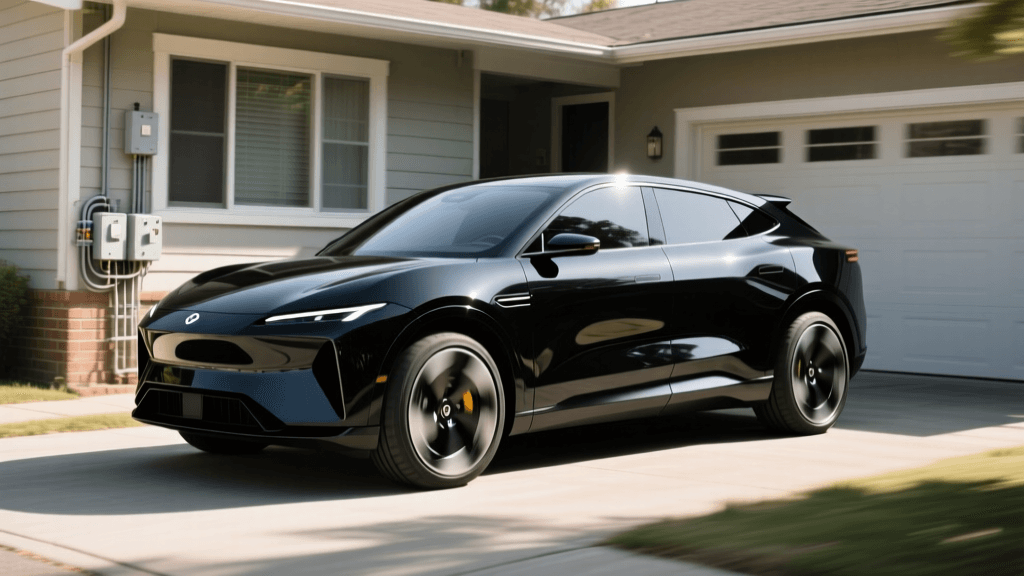
The National Electrical Code (NEC), published by the National Fire Protection Association (NFPA), is the benchmark for safe electrical design and installation in the United States. EV charging falls under NEC Article 625, which specifically governs Electric Vehicle Charging System Equipment. In recent code cycles (specifically the 2017, 2020, and 2023 updates), the NEC introduced strict mandates regarding GFCI protection for EV charging receptacles. If you are installing a plug-in Level 2 EV charger using a NEMA 14-50 or NEMA 6-50 receptacle, the NEC requires that the receptacle be protected by a GFCI breaker. This means the breaker in your main electrical panel must have built-in ground fault detection. The rationale is clear: if a plug is partially pulled out or if water enters the receptacle while the cord is energized, the GFCI breaker will instantly cut the power. However, this code change has introduced a significant technical hurdle for EV owners and electricians alike, commonly known in the industry as 'nuisance tripping.'
The Infamous 'Nuisance Tripping' Problem
Many new EV owners opt for a plug-in Level 2 charger and ask their electrician to install a standard GFCI breaker on a 50-amp circuit to meet code. Shortly after, they experience 'nuisance tripping,' where the breaker randomly shuts off the charger in the middle of the night. This happens for two primary reasons. First, modern EV chargers (like those from ChargePoint, Tesla, and Emporia) already have highly sensitive internal ground fault protection built into the unit itself. When you place a GFCI breaker in the panel AND use a charger with internal GFCI, the two systems can interfere with one another, misinterpreting normal electrical noise or minor transient spikes as a ground fault. Second, EVs utilize complex onboard chargers with power electronics that can generate minor DC leakage currents. Standard residential AC GFCI breakers are not always equipped to distinguish between harmless DC leakage and a dangerous AC ground fault, causing them to trip unnecessarily. The Alternative Fuels Data Center emphasizes that working with a licensed electrician who understands EV-specific electrical loads is crucial to avoiding these frustrating operational issues.
Hardwired vs. Plug-In: Navigating the GFCI Dilemma
To bypass the nuisance tripping issue while remaining completely safe and compliant, many EV owners and electricians are shifting toward hardwired installations. Under the NEC, if an EV charger is hardwired directly into the electrical panel (meaning there is no plug and no receptacle), a GFCI breaker at the panel is generally not required, provided the charger itself features integrated ground fault protection (which all UL-listed EV chargers do). Below is a comparison to help you decide which route is best for your home.
| Feature | Hardwired Installation | Plug-In (NEMA 14-50) |
|---|---|---|
| GFCI Panel Breaker Required? | No (relies on charger's internal GFCI) | Yes (per NEC Article 625) |
| Risk of Nuisance Tripping | Very Low | High (if using standard GFCI breakers) |
| Portability | Fixed to one location | Can be unplugged and moved |
| Installation Cost | Generally lower (no expensive receptacle or GFCI breaker) | Higher (requires industrial-grade receptacle and 50A GFCI breaker) |
| Max Continuous Amperage | Up to 48A (on a 60A circuit) | Capped at 40A (on a 50A circuit) |
As the table illustrates, hardwiring is often the superior choice for dedicated home charging. It eliminates the need for a costly 50-amp GFCI breaker (which can cost upwards of $150 to $200 alone) and provides a cleaner, more reliable charging experience. However, if you live in a rental property or plan to move your charger to a new home in the near future, a plug-in setup is necessary, requiring careful selection of the right breaker.
How to Choose the Right Breaker and Charger
If you must use a plug-in NEMA 14-50 receptacle, you must install a GFCI breaker to pass your local electrical inspection. To minimize nuisance tripping, avoid generic or older-generation breakers. Instead, invest in EV-rated GFCI breakers from top-tier manufacturers like Eaton, Siemens, or Square D. These modern breakers are engineered with advanced microprocessors that can better filter out the electrical noise generated by EV power supplies. Additionally, ensure your chosen EV charger is UL-listed (Underwriters Laboratories). UL certification guarantees that the charger's internal ground fault protection has been rigorously tested and will operate safely in tandem with your home's electrical system. Never attempt to bypass the GFCI requirement by using a standard non-GFCI breaker on a receptacle; this is a severe code violation and will result in a failed inspection, not to mention a significant safety hazard.
Step-by-Step: Ensuring Your Installation is Compliant
To guarantee your EV charger installation meets all ground fault protection requirements, follow these actionable steps:
- Hire a Licensed Electrician: EV charging requires a dedicated 240-volt circuit. Do not attempt a DIY installation unless you are a certified electrician. Your professional will know the nuances of your local Authority Having Jurisdiction (AHJ).
- Request a Load Calculation: Before installing a 50-amp or 60-amp circuit, your electrician must perform a load calculation on your main electrical panel to ensure your home can handle the extra draw without overloading the main breaker.
- Discuss Hardwiring vs. Plug-In: Talk to your electrician about the benefits of hardwiring to avoid GFCI nuisance tripping. If you choose plug-in, insist on an industrial-grade NEMA 14-50 receptacle (like those from Hubbell or Bryant) and an EV-compatible GFCI breaker.
- Schedule an Inspection: Always pull the required local permits and have the work inspected. The inspector will verify that the correct ground fault protection is in place according to the latest adopted version of the NEC in your municipality.
Conclusion
Understanding EV charger ground fault protection requirements is essential for a safe, efficient, and code-compliant home charging setup. While the NEC's mandate for GFCI protection on EV receptacles is rooted in vital safety principles, it requires careful planning to avoid the dreaded nuisance tripping. By weighing the pros and cons of hardwired versus plug-in installations, selecting high-quality UL-listed equipment, and partnering with a knowledgeable licensed electrician, you can ensure your EV charges safely night after night. Embrace the transition to electric driving with confidence, knowing your home's electrical infrastructure is optimized for the future.