The Shift from Basic Charging to Smart Energy Hubs
The electric vehicle revolution is accelerating at an unprecedented pace, fundamentally changing how we interact with our home electrical systems. Just five years ago, a garage electrical wiring assessment for an EV charger was a straightforward calculation: find 40 amps of spare capacity, run some 6 AWG copper wire, and install a NEMA 14-50 receptacle. Today, and certainly looking toward the next decade, that approach is dangerously short-sighted. As the automotive industry pivots toward Vehicle-to-Home (V2H) and Vehicle-to-Grid (V2G) bi-directional charging, your garage is no longer just a place to park; it is becoming a decentralized smart energy hub.
According to the U.S. Department of Energy, home charging accounts for over 80% of all EV charging events. However, the integration of solar arrays, home battery storage, and bi-directional EV chargers means your electrical panel must be evaluated not just for current draw, but for complex, multi-directional power routing. A comprehensive garage wiring assessment must now account for future smart grid compatibility, ensuring your home is ready for the advanced EV architectures rolling out from manufacturers like Ford, Hyundai, and Tesla.
Core Garage Wiring Assessment Metrics for the Next Decade
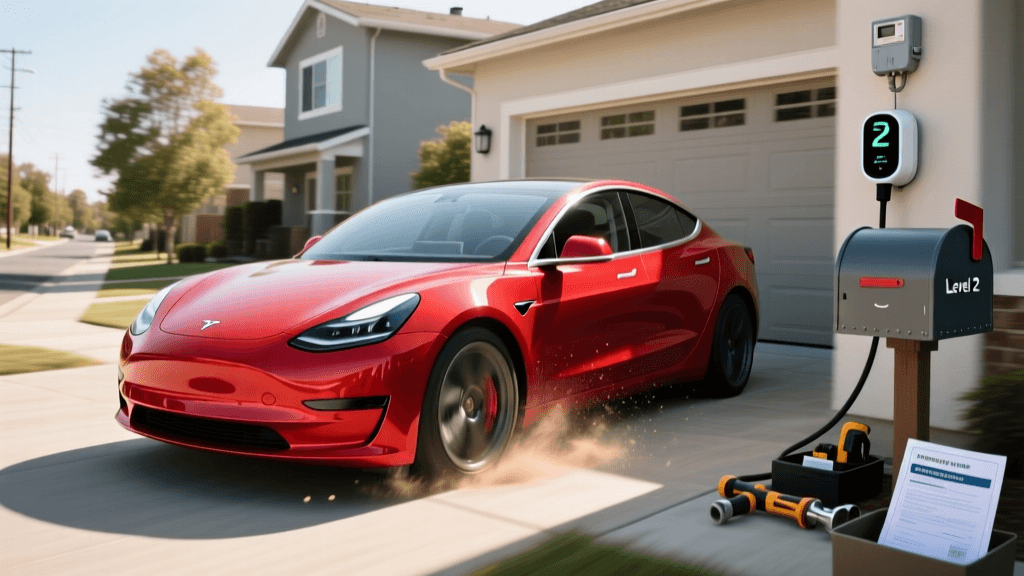
When an electrician evaluates your garage for an EV charger installation, the immediate focus is typically on the National Electrical Code (NEC) Article 625, which governs Electric Vehicle Charging Systems. The NEC mandates that EV charging is considered a 'continuous load,' meaning the circuit must be derated by 20%. Therefore, a 48-amp Level 2 charger requires a 60-amp breaker and appropriately rated wiring, such as 4 AWG copper for standard runs or 2 AWG aluminum.
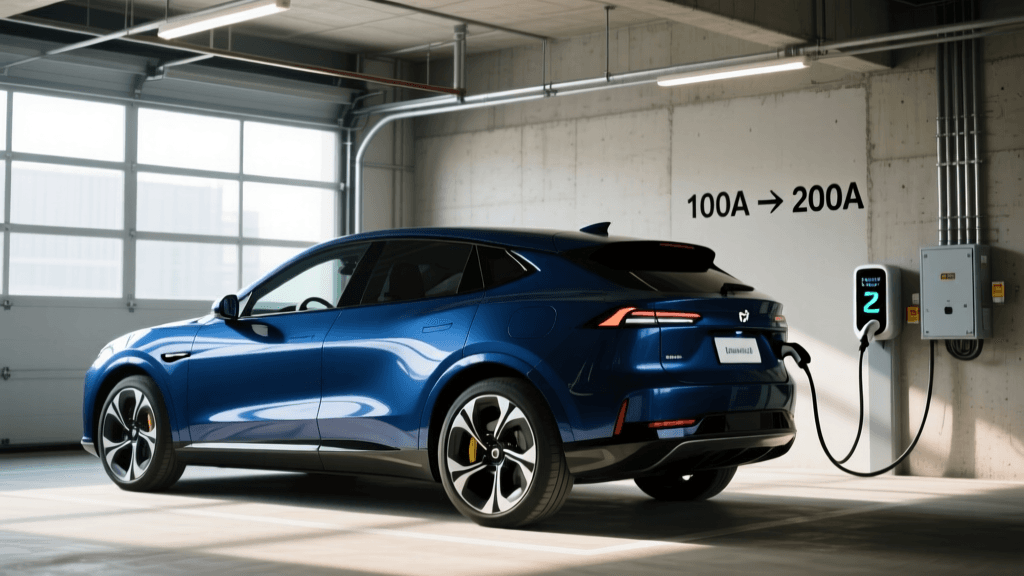
However, a future-focused assessment goes much deeper. You must evaluate the thermal health of your existing service entrance. Many homes built in the 1980s and 1990s feature 100-amp or 150-amp main panels that are already near capacity due to modern HVAC systems, electric ovens, and dryers. Adding a continuous 60-amp EV load could trip the main breaker or, worse, overheat the bus bars. A forward-looking assessment includes a thermal imaging scan of the panel under peak load to identify hotspots, loose connections, or degraded insulation that could fail when subjected to the daily, multi-hour draw of Level 2 charging.
Calculating Load Capacity for Bi-Directional Systems
Bi-directional charging is the most significant industry trend shaping future installation standards. Systems like the Ford Charge Station Pro or the upcoming Wallbox Quasar 2 do not just pull power; they push it back into your home during a grid outage or back to the grid during peak pricing hours. This requires a fundamental rewiring of the garage's relationship to the main home panel. The National Renewable Energy Laboratory (NREL) highlights that V2G and V2H integration requires advanced inverters, dedicated sub-panels, and specific grounding electrode systems that standard Level 2 setups do not utilize. Your wiring assessment must determine if your garage has the physical space and conduit pathways to support these heavier, multi-wire bi-directional cables in the future.
Future-Proofing Hardware: Smart Panels and Heavy-Duty Wiring
To future-proof your garage, the industry is rapidly moving away from simple breaker swaps and toward intelligent electrical infrastructure. Smart electrical panels, such as those manufactured by SPAN or Lumin, are replacing traditional dumb breaker boxes. These panels utilize AI and machine learning to monitor energy usage at the individual circuit level. During a power outage, a smart panel can automatically shed non-essential loads (like the water heater or guest bedroom outlets) and seamlessly route power from your EV's battery back into the home's critical circuits.
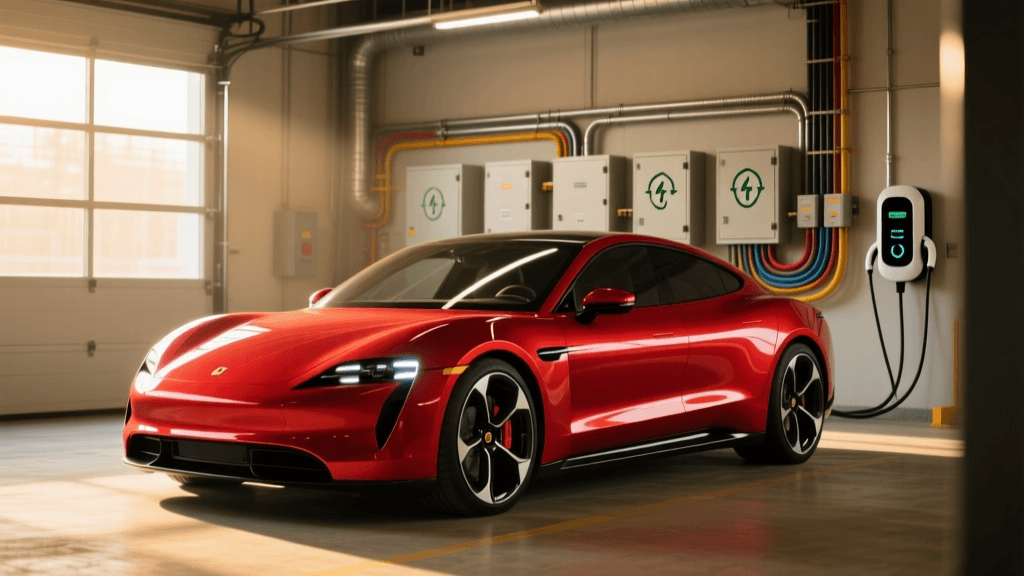
When assessing your garage wiring, consider the physical conduit. Standard PVC conduit is sufficient for basic runs, but future-proofing requires planning for larger cable bundles. Upgrading to 1-inch or 1.5-inch EMT (Electrical Metallic Tubing) or Liquid-Tight Flexible Metal Conduit during the initial install allows you to pull thicker, higher-amperage wires or additional communication cables (like CAT6 or fiber optics) later without tearing open your drywall. Furthermore, installing a dedicated 100-amp sub-panel in the garage specifically for EV and energy storage systems isolates the heavy continuous loads from your home's main panel, a strategy highly recommended by the Alternative Fuels Data Center for homes anticipating multiple EVs or V2H setups.
Traditional vs. Future-Proofed Garage Wiring Setup
| Feature | Standard Level 2 Install (Current Standard) | Future-Proof V2H/V2G Install (Next-Gen) |
|---|---|---|
| Breaker Capacity | 50A to 60A dedicated circuit | 100A dedicated sub-panel or bi-directional breaker |
| Wire Gauge | 6 AWG or 4 AWG Copper | 2 AWG or 1/0 AWG Copper (4-wire setup) |
| Conduit Type | 1/2-inch PVC or surface-mounted Romex | 1.5-inch EMT with pull strings for future expansion |
| Connectivity | Wi-Fi enabled charger | Hardwired Ethernet / CAN bus to Smart Home Panel |
| Grounding | Standard equipment ground | Supplementary grounding electrode for V2H islanding |
| Estimated Cost | $800 - $1,500 | $3,500 - $7,000+ (including smart panel integration) |
Cost Analysis: Assessing and Upgrading for Tomorrow
Investing in a future-ready garage wiring assessment and subsequent upgrades carries a higher upfront cost, but it mitigates the need for redundant construction later. A standard electrical assessment by a certified EVITP (Electric Vehicle Infrastructure Training Program) electrician typically costs between $150 and $300. If the assessment reveals the need for a main service upgrade from 200 amps to 320 or 400 amps—a growing trend for homes adding solar, heat pumps, and EV chargers—costs can range from $3,500 to $6,000 depending on local utility requirements and trenching distances.
Installing a smart panel like the SPAN Drive panel adds roughly $2,500 to $4,000 to the project. However, when paired with bi-directional capable vehicles, this investment effectively turns your EV into a rolling home backup generator, potentially saving thousands in standalone home battery systems (like the Tesla Powerwall) and offering significant ROI through utility peak-shaving programs. Furthermore, many local and federal incentives, including the Alternative Fuel Vehicle Refueling Property Credit, can offset up to 30% of the hardware and installation costs for advanced, smart-grid-integrated charging setups.
Step-by-Step: How to Conduct a Future-Ready Assessment
To ensure your garage is prepared for the next generation of EV technology, follow this actionable checklist when hiring an electrical contractor:
- Request an EVITP-Certified Electrician: Standard residential electricians may not be versed in the specific grounding and communication requirements of V2H systems. Look for certifications in advanced EV infrastructure.
- Perform a 12-Month Load Analysis: Use a smart meter or utility data to analyze your home's peak electrical demand over the last year. This ensures your new EV load won't push you over the utility's threshold, avoiding punitive demand charges.
- Evaluate the Grounding Electrode System: Bi-directional chargers require strict adherence to grounding codes to safely 'island' your home from the grid during an outage. Ensure your grounding rods and water pipe bonds are up to the latest NEC standards.
- Plan for Physical Expansion: Ask your electrician to install oversized conduit with nylon pull strings left inside the walls. If you decide to add a second EV charger or a stationary home battery in five years, the pathway is already built.
- Verify Local Utility Interconnection Rules: If you plan to utilize V2G to sell power back to the grid, your assessment must include a review of your local utility's interconnection agreements and net-metering policies, which dictate specific hardware and disconnect switch requirements.
Conclusion: Preparing for the V2G Revolution
The era of simply plugging an EV into a wall outlet is giving way to an era of intelligent, bi-directional energy management. A thorough, future-focused garage electrical wiring assessment is the critical first step in transforming your home from a passive energy consumer into an active, resilient participant in the smart grid. By upgrading to heavy-duty wiring, oversized conduit, and smart panel technology today, you ensure that your home is ready to support the advanced, high-amperage, and bi-directional EV platforms that will dominate the roads in the coming decade. Do not just wire for the car you have today; wire for the energy ecosystem of tomorrow.