The Economics of Electron Flow: A Regional Deep Dive
Purchasing a Level 2 EV charger like the ChargePoint Home Flex or Emporia VUE is only the first step in your home electrification journey. The true financial and technical hurdle lies in the installation. While the hardware itself typically ranges from $400 to $700, the cost to safely integrate that hardware into your home's electrical ecosystem varies wildly depending on your geographic location. A standard installation in a modern Midwest subdivision might cost $600, while the exact same setup in an older Northeast home could exceed $4,500 due to necessary infrastructure upgrades.
As a technology deep dive, this guide moves beyond basic labor rates. We will explore the intersection of regional electrical codes, local grid infrastructure, housing stock age, and advanced load management technologies that dictate the true cost of EV charger installation across the United States. According to the Department of Energy, understanding your home's electrical capacity and local utility requirements is paramount before initiating any Level 2 charging setup.
The Core Variables: Labor, Permits, and Grid Infrastructure
Before breaking down the costs by region, we must isolate the technological and economic variables that drive regional price disparities:
- Prevailing Wage and Union Density: Regions with high union density and strict prevailing wage laws (e.g., California, New York, Illinois) naturally command higher hourly rates for licensed electricians, often ranging from $130 to $200+ per hour.
- NEC Adoption Timelines: The National Electrical Code (NEC) is updated every three years, but adoption is handled at the state and municipal levels. States that rapidly adopt the latest NEC versions often introduce stricter permitting, inspection requirements, and new hardware mandates that increase installation complexity and cost.
- Housing Stock Age and Service Laterals: Older homes (pre-1980) frequently feature 100-amp or 150-amp main electrical panels. Adding a 40-amp or 48-amp continuous EV load requires either a costly service lateral upgrade to 200A/320A or the integration of smart load-shedding technology.
- Local Climate and HVAC Loads: In regions with extreme temperatures, electrical panels are already heavily burdened by central air conditioning or electric resistance heating, reducing the available headroom for EV charging and necessitating complex load management solutions.
Regional Cost Breakdown: Data and Analysis
The following table provides an estimated cost breakdown for a standard 48-amp Level 2 charger installation (requiring a 60-amp circuit) across four major US regions. These figures assume a 50-foot wire run from the main panel to the garage or driveway.
| Region | Avg. Labor Rate | Permit & Inspection Fees | Panel Upgrade Frequency | Estimated Total Cost |
|---|---|---|---|---|
| West Coast | $120 - $180/hr | $150 - $450 | 35% | $1,200 - $3,800 |
| Northeast | $130 - $210/hr | $200 - $600 | 45% | $1,500 - $4,500 |
| Midwest | $85 - $130/hr | $50 - $150 | 20% | $600 - $1,900 |
| South | $75 - $120/hr | $75 - $250 | 25% | $550 - $2,200 |
West Coast: High Regulation, High Rebates
States like California, Oregon, and Washington are aggressive adopters of the latest NEC standards. The National Fire Protection Association (NFPA) tracks these adoptions, noting that West Coast municipalities frequently enforce strict GFCI (Ground Fault Circuit Interrupter) requirements and mandate EV-ready wiring in new constructions. While labor and permit costs are high, the West Coast also boasts the most robust utility rebate ecosystems (e.g., PG&E, SCE, and LADWP), which can offset installation costs by $500 to $1,500, effectively neutralizing the regional premium.
Northeast: The Panel Upgrade Epicenter
The Northeast features some of the oldest housing stock in the country. It is incredibly common to find homes in Massachusetts, New York, or Pennsylvania operating on 100-amp services with fuse boxes or early-generation breaker panels. Upgrading a main service panel to 200 amps or 320 amps requires coordination with the local utility, trenching, and new service laterals, pushing total project costs well past the $3,500 mark. Furthermore, high winter heating loads mean electrical panels are often maxed out, requiring meticulous load calculations by the installing electrician.
Midwest and South: Favorable Baselines with Climate Caveats
The Midwest generally offers the most affordable installation costs due to lower prevailing labor rates, newer housing stock with standard 200-amp panels, and streamlined municipal permitting. The South also benefits from lower labor costs, but faces a unique technological hurdle: extreme summer HVAC loads. In Texas or Florida, running a 48-amp EV charger simultaneously with two central AC units and an electric oven can easily trip a 200-amp main breaker, necessitating the integration of smart load management systems.
Technology Deep Dive: EVEMS and the Panel Bypass
For homeowners in high-cost regions facing a $4,000 quote for a panel upgrade, Electric Vehicle Energy Management Systems (EVEMS) offer a technological workaround. EVEMS utilizes Current Transformer (CT) clamps installed directly on the main service lateral wires entering your home. These clamps monitor the home's total real-time electrical consumption.
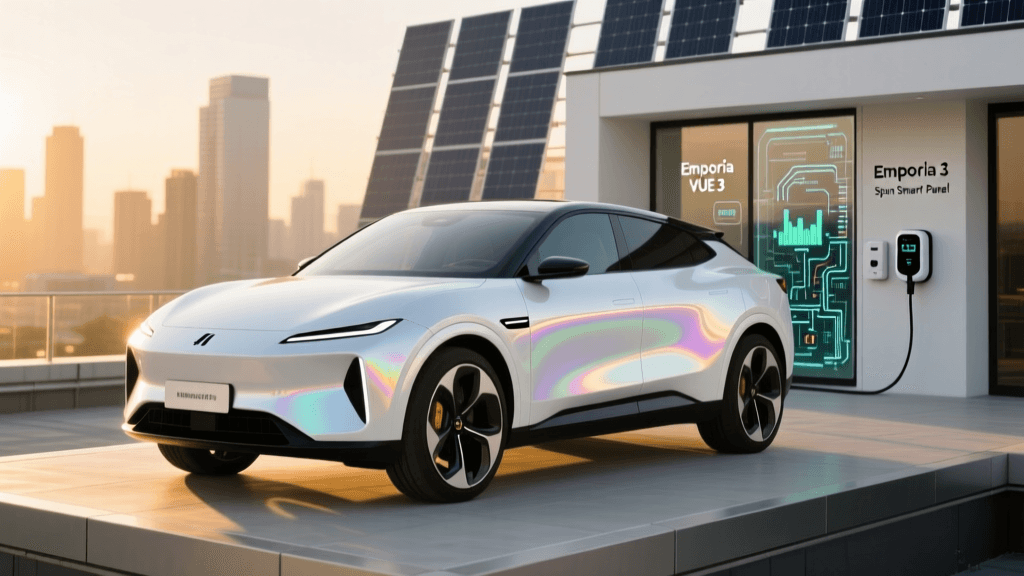
If you are charging your EV at 48 amps and someone turns on the electric dryer and the HVAC system, the EVEMS detects the impending overload. Within milliseconds, it communicates with the smart charger (such as the Emporia VUE or Wallbox Pulsar Plus) to dynamically throttle the charging amperage down to 16 amps, or pause it entirely. Once the heavy appliances cycle off, the charger ramps back up to full speed. By utilizing EVEMS, electricians can legally install high-amperage chargers on older 150-amp panels without violating NEC Article 220 load calculation requirements, saving homeowners thousands of dollars in regional upgrade costs.
NEC Article 625 and the Shift to Hardwired Installations
A major technological and financial shift in regional installation costs stems from how local jurisdictions enforce NEC Article 625, specifically regarding GFCI protection. The 2020 and 2023 NEC updates require GFCI protection for receptacles used for EV charging. However, EVs already possess highly sensitive internal ground-fault detection systems. When you plug an EV into a NEMA 14-50 receptacle protected by a standard GFCI breaker, the overlapping detection systems frequently cause 'nuisance tripping,' leaving the homeowner with a dead charger in the morning.
To circumvent this technological conflict, electricians in regions strictly enforcing recent NEC codes are shifting away from NEMA 14-50 receptacles and moving toward hardwired installations. Hardwired chargers do not require a GFCI breaker under the same code sections, eliminating the nuisance tripping issue. While hardwiring requires a slightly higher upfront labor cost for the electrician to terminate the wires directly into the charger's internal junction box, it provides a safer, more reliable connection and eliminates the $150-$200 cost of a specialized, high-amperage GFCI breaker. When evaluating regional quotes, always ask if the estimate includes a hardwired setup or a receptacle, and inquire about the local jurisdiction's stance on GFCI mandates.
Navigating Utility Rebates and Incentives
The final variable in the regional cost matrix is utility intervention. Many regional utilities recognize that unmanaged EV charging threatens local distribution transformers. To incentivize managed charging, utilities offer substantial rebates, but they often require specific technological setups. For example, some utilities will only provide a $1,000 installation rebate if you install an ENERGY STAR certified smart charger that is connected to their Wi-Fi demand-response network. This allows the utility to remotely throttle your charger during peak grid stress events in exchange for the rebate and a lower time-of-use (TOU) electricity rate.
Conclusion: Actionable Advice for Regional Installations
The cost of installing a Level 2 EV charger is not a static number; it is a dynamic equation dictated by your region's labor market, housing infrastructure, and local adoption of electrical codes. To ensure you get the best technological and financial outcome:
- Request Load Calculations: Before accepting a quote for a main panel upgrade, ask your electrician if an EVEMS load-management system is legally permissible in your local jurisdiction to bypass the upgrade.
- Opt for Hardwired Connections: Unless you specifically need the portability of a NEMA 14-50 plug, choose a hardwired installation to avoid GFCI nuisance tripping and ensure a safer, weather-resistant connection.
- Consult Your Utility First: Check your local utility's EV infrastructure page before buying hardware. Purchasing a charger that is incompatible with your utility's specific rebate program could cost you hundreds in lost incentives.
By understanding the technological and regional forces at play, you can navigate the installation process with confidence, ensuring your home is safely and efficiently equipped for the electric future.