The Complexity of Commercial Level 3 DC Fast Charging
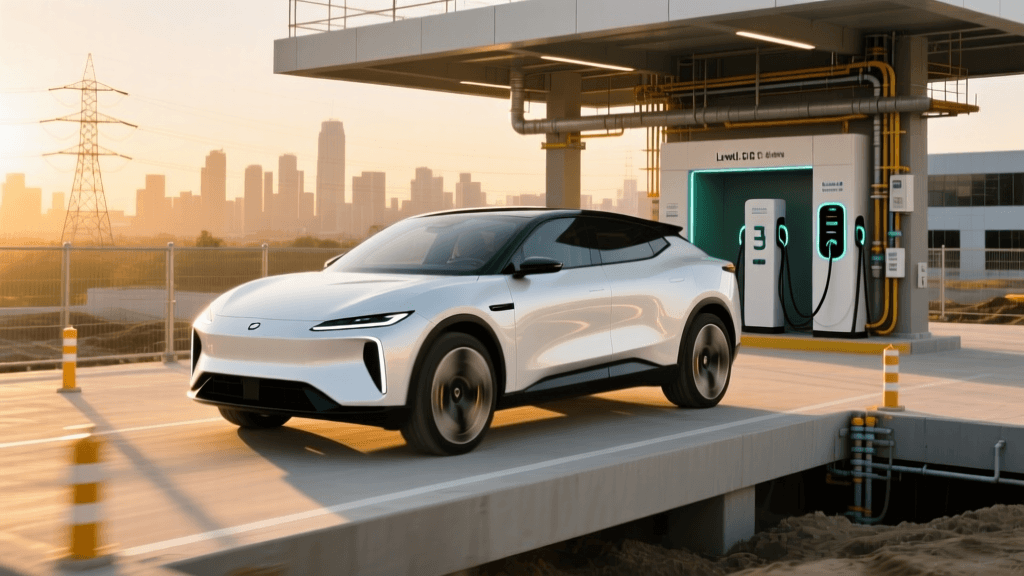
Deploying a Level 3 DC Fast Charger (DCFC) in a commercial environment is a monumental step toward supporting electric vehicle (EV) fleets, retail customers, and public transit. Unlike Level 2 AC charging, which often relies on existing commercial electrical panels, Level 3 DCFC systems draw massive amounts of direct current—typically requiring 480V 3-phase power and delivering anywhere from 50 kW to over 350 kW per vehicle. This requires a meticulous approach to site engineering, utility coordination, and civil construction.
Whether you are building a dedicated fleet depot or a public-facing retail charging hub, the stakes are incredibly high. According to the U.S. Department of Energy's guidelines on EV infrastructure, successful commercial deployments hinge on early feasibility studies and robust utility partnerships. Below, we break down the expert best practices for planning, executing, and future-proofing a commercial Level 3 installation.
Phase 1: Utility Coordination and Grid Capacity
The most common bottleneck in commercial DCFC installation is grid capacity. A single 350 kW charger can draw as much power as a small neighborhood. Before purchasing equipment, you must engage your local utility provider to conduct a comprehensive load study.
- Transformer Upgrades: Most commercial sites will require a dedicated, utility-owned or customer-owned step-down transformer to handle the 480V 3-phase requirement. Lead times for commercial transformers can currently stretch from 12 to 18 months, making early utility engagement the absolute first step in your project.
- Demand Charges: Utilities often levy demand charges based on the highest 15-minute peak power draw in a billing cycle. Expert installers recommend pairing DCFCs with on-site battery energy storage systems (BESS) or solar canopies to shave these peaks and drastically reduce long-term operating costs.
- Make-Ready Programs: Many utilities offer Make-Ready incentives that cover the cost of upgrading the wiring and infrastructure from the grid to the customer side of the meter. Always check for local, state, and federal incentives before breaking ground.
Phase 2: Equipment Selection and Power Architecture
Choosing the right hardware is critical. Commercial operators must decide between standalone pedestal chargers and modular power cabinet architectures based on their site footprint and expected throughput.
Standalone vs. Modular Power Cabinets
For sites deploying four or more DCFC stalls, a modular power cabinet (which houses the heavy AC-to-DC rectifiers centrally) with remote dispensers is the industry best practice. This architecture reduces the physical footprint of the charging stalls, minimizes noise at the vehicle interface, and allows for dynamic power sharing. If one vehicle is nearing a full battery and its charging curve tapers off, the cabinet can automatically reroute excess kilowatts to a newly plugged-in vehicle, maximizing site throughput.
Connector Standards and Liquid Cooling
With the industry rapidly shifting toward the North American Charging Standard (NACS) alongside the Combined Charging System (CCS), ensure your dispensers support both or are easily upgradable via software and cable swaps. For chargers exceeding 150 kW, liquid-cooled cables are mandatory to keep the cable diameter manageable and prevent overheating during peak summer operations.
Phase 3: Civil Engineering and Site Preparation
Civil work accounts for a significant portion of the installation budget. High-voltage DCFC lines require strict adherence to the National Electrical Code (NEC / NFPA 70) regarding trenching depth, conduit protection, and working clearances.
- Trenching and Boring: High-voltage conduits typically require a minimum trench depth of 36 inches, bedded in sand and marked with caution tape. If trenching through existing asphalt or concrete, directional boring is often preferred to minimize surface restoration costs and avoid disrupting active business operations.
- Concrete Pads: Power cabinets and transformers require reinforced concrete pads, usually a minimum of 6 inches thick with rebar, elevated slightly above grade to prevent water ingress, snow accumulation, and physical damage from snowplows.
- Traffic Flow and ADA Compliance: Commercial sites must integrate EV charging without disrupting existing traffic patterns or delivery zones. Furthermore, ensuring ADA-compliant stalls with wider access aisles and properly sloped pathways is not just a legal requirement—it is a hallmark of premium, inclusive site design.
Phase 4: Electrical Rough-In, Networking, and Commissioning
Once the civil work is complete and conduits are laid, master electricians will pull the heavy-gauge copper or aluminum wiring. Commercial DCFCs require robust switchgear, often including smart breakers that can communicate with the site's energy management system to prevent main breaker trips during peak load events.
From a software perspective, ensure your chargers are Open Charge Point Protocol (OCPP) compliant (version 1.6J or 2.0.1). OCPP compliance prevents vendor lock-in, allowing you to switch network management software providers in the future without replacing the physical hardware. Additionally, ensure all integrated payment terminals meet PCI-DSS compliance for secure credit card processing.
Commercial DCFC Installation Cost and Timeline Breakdown
The financial and temporal investment for a commercial Level 3 site is substantial. Below is an estimated breakdown for a typical 4-stall (two dual-port 150 kW dispensers fed by a modular power cabinet) commercial plaza installation.
| Project Phase | Estimated Cost Range | Typical Timeline | Key Considerations |
|---|---|---|---|
| Site Feasibility & Utility Studies | $5,000 - $15,000 | 2 - 4 Weeks | Load studies, permitting, incentive applications. |
| Utility Upgrades & Make-Ready | $50,000 - $250,000+ | 3 - 9 Months | Transformer installation, new service drops. Highly dependent on utility backlog. |
| Civil Work & Trenching | $40,000 - $90,000 | 4 - 8 Weeks | Asphalt cutting, directional boring, concrete pad pouring. |
| Hardware (Chargers & Switchgear) | $120,000 - $220,000 | 8 - 16 Weeks (Lead Time) | Procurement of modular cabinets, dispensers, and safety gear. |
| Electrical Installation & Commissioning | $30,000 - $60,000 | 3 - 6 Weeks | Wiring, network configuration, utility metering, and final inspection. |
| Total Estimated Project | $245,000 - $635,000 | 6 - 14 Months | Timelines are heavily dictated by utility upgrade schedules. |
Expert Best Practices for Long-Term Reliability
To maximize uptime and return on investment, commercial operators should adopt the following expert strategies:
1. Future-Proof Your Conduit Infrastructure
The cost of laying empty PVC conduit during the initial trenching phase is negligible compared to the cost of re-trenching asphalt three years later. Always install stub-ups and empty conduits with pull-strings for future power cabinets or additional charging stalls. The Federal Highway Administration's NEVI program heavily emphasizes scalability and long-term reliability in public charging networks, a principle that applies equally to private commercial hubs.
2. Implement Active Thermal Management Monitoring
Level 3 chargers generate immense heat. Ensure your site design includes adequate airflow around power cabinets. Utilize your network management software to monitor internal cabinet temperatures and set automated alerts for thermal throttling, which can degrade the charging speed and frustrate customers.
3. Negotiate Comprehensive SLAs
Do not rely on standard warranties. For commercial DCFCs, negotiate a Service Level Agreement (SLA) with your hardware provider or a certified third-party maintenance firm that guarantees a 48-hour on-site response time for critical hardware failures. Uptime is the primary metric by which commercial charging hosts are judged by both consumers and fleet operators.
Conclusion
Installing a commercial Level 3 DC fast charging station is a complex intersection of civil engineering, high-voltage electrical work, and software networking. By prioritizing early utility coordination, selecting modular and OCPP-compliant hardware, and future-proofing your underground infrastructure, you can build a resilient, high-revenue EV charging destination that serves the next generation of electric mobility.