Introduction to Commercial DCFC Deployment
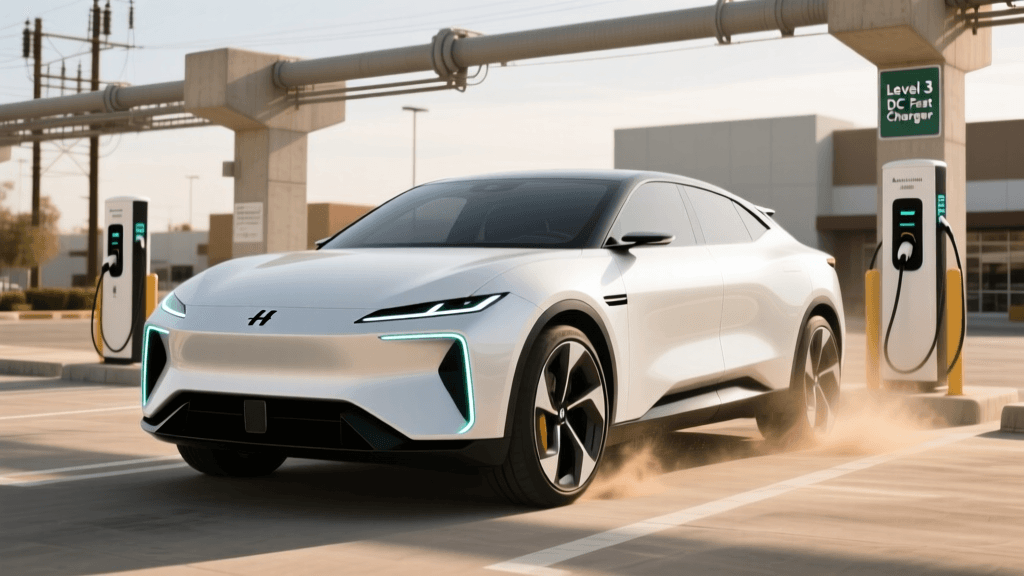
Deploying a Level 3 Direct Current Fast Charger (DCFC) in a commercial setting is a transformative investment that bridges the gap between electric vehicle (EV) adoption and robust public or fleet infrastructure. Unlike Level 1 or Level 2 alternating current (AC) chargers that rely on the vehicle's onboard charger, Level 3 stations bypass this limitation, delivering DC power directly to the battery. This allows for charging speeds ranging from 50 kW up to an impressive 350 kW or more, capable of adding 100 to 200 miles of range in just 20 minutes. However, the complexity of commercial DCFC installation is exponentially higher than residential setups. It requires meticulous planning, heavy-duty electrical engineering, extensive utility coordination, and strict adherence to civil codes. In this comprehensive guide, we explore the expert tips and best practices for executing a flawless commercial Level 3 DC fast charger installation.
Phase 1: Site Assessment and Utility Coordination
The single greatest bottleneck in any commercial DCFC project is the local electrical grid's capacity. A standard 350 kW dual-port DCFC cabinet can draw as much power as a small commercial building or a multi-story apartment complex. Before selecting a hardware vendor or pouring concrete, facility managers must initiate a thorough utility coordination process.
Evaluating Grid Capacity and Upgrades
Commercial sites typically require 480V three-phase power to operate heavy-duty fast chargers. If your site only has 208V or single-phase service, a utility upgrade is mandatory. According to the U.S. Department of Energy, engaging with your local utility provider during the earliest stages of site selection is critical. Utility providers must assess whether the local distribution transformer and feeder lines can handle the sudden, massive load spikes associated with multiple EVs charging simultaneously.
Expert Tip: Submit your preliminary load letter to the utility company at least six to nine months before your target installation date. In many municipalities, procuring and installing a new utility transformer or upgrading medium-voltage distribution lines can take upwards of a year due to supply chain constraints and permitting backlogs.
Phase 2: Electrical Infrastructure and Switchgear
Once utility capacity is confirmed, the internal electrical distribution network must be designed by a licensed professional electrical engineer (PE). The architecture of a commercial DCFC site usually involves a main distribution switchgear, step-down transformers, and individual disconnects for each charging pedestal.
Power Sharing and Cabinet Architectures
Modern commercial deployments rarely use standalone, single-pedestal units. Instead, experts recommend power-sharing architectures. Systems like the ChargePoint Express Plus or ABB Terra 360 utilize a centralized power cabinet that houses the AC-to-DC rectifiers. This cabinet distributes DC power to multiple lightweight charging pedestals (satellites) via underground conduit. This approach offers several advantages:
- Dynamic Load Balancing: If only one vehicle is plugged into a dual-pedestal setup, the system can route the full 350 kW to that single vehicle. When a second vehicle plugs in, the power is dynamically split (e.g., 175 kW each) based on the vehicles' state of charge and battery acceptance rates.
- Reduced Footprint: The bulky rectifier equipment is housed away from the parking spaces, reducing the visual clutter and physical footprint at the actual charging stalls.
- Future-Proofing: Adding more pedestals later only requires pulling new DC cables from the central cabinet to new stalls, avoiding the need for entirely new utility service drops.
Phase 3: Civil Work, Trenching, and ADA Compliance
The physical construction of a commercial charging plaza involves significant civil engineering. Trenching through existing asphalt or concrete to run heavy-gauge copper or aluminum conductors is labor-intensive and expensive. Where possible, utilize directional boring to minimize surface disruption, especially when crossing existing landscaping or sidewalks.
Navigating ADA Requirements
Accessibility is a legal and ethical imperative for commercial properties. The Federal Highway Administration (FHWA) and the Americans with Disabilities Act (ADA) dictate strict guidelines for commercial charging infrastructure. Best practices for ADA compliance include:
- Accessible Routes: Ensure there is a clear, step-free path from the accessible parking space to the charger and the adjacent building entrance.
- Screen and Connector Heights: Touchscreens and payment terminals must be mounted no higher than 48 inches from the ground to accommodate wheelchair users.
- Cable Management: Heavy, liquid-cooled DC cables can be difficult to maneuver and pose a tripping hazard. Install overhead cable management systems (retractors) to keep cables off the ground and within easy reach of all users.
- Slope and Grading: The accessible parking space and the adjacent access aisle must have a maximum slope of 2% in any direction to prevent wheelchairs from rolling and to ensure safe transfer from vehicle to wheelchair.
Commercial DCFC Installation Cost Breakdown
Budgeting for a commercial Level 3 installation requires looking far beyond the sticker price of the charging hardware. The total cost of ownership and deployment is heavily weighted toward civil work and utility upgrades. Below is an estimated cost breakdown for a standard commercial site deploying two dual-port 350 kW cabinets (four charging stalls total).
| Cost Category | Estimated Range (USD) | Percentage of Total Budget |
|---|---|---|
| Hardware (Cabinets & Pedestals) | $120,000 - $180,000 | 25% - 35% |
| Utility Upgrades & Transformer | $80,000 - $200,000+ | 20% - 40% |
| Civil Work (Trenching, Concrete) | $40,000 - $90,000 | 10% - 20% |
| Electrical Engineering & Permitting | $15,000 - $35,000 | 5% - 10% |
| Software, Networking & Commissioning | $10,000 - $25,000 | 5% - 8% |
| Total Estimated Project Cost | $265,000 - $530,000 | 100% |
Note: Costs vary wildly based on regional labor rates, the distance from the utility transformer to the site, and local permitting requirements. Always secure multiple bids from certified EV infrastructure contractors.
Best Practices for Long-Term Reliability and Maintenance
Once the chargers are commissioned and the ribbon is cut, the focus shifts to uptime. Commercial DCFC networks are notorious for occasional downtime due to software glitches, network connectivity drops, or hardware failures. To protect your investment and ensure a premium user experience, implement the following best practices:
1. Demand Open Charge Point Protocol (OCPP) Compliance
Never lock your commercial hardware into a proprietary software ecosystem. Ensure your charging stations are OCPP 1.6J or 2.0.1 compliant. This allows you to decouple the hardware from the network software provider. If your current network provider raises their subscription fees or experiences chronic server outages, OCPP compliance allows you to seamlessly switch to a different backend software provider without replacing the physical charging equipment.
2. Invest in Liquid-Cooled Cables
For chargers operating at 150 kW and above, liquid-cooled cables are mandatory. Traditional air-cooled cables required to handle 400+ amps would be impossibly thick, heavy, and stiff. Liquid-cooled cables are significantly lighter, improving the user experience, especially for ADA compliance. However, they require routine maintenance. Schedule bi-annual inspections of the coolant reservoirs and check for micro-leaks or degradation in the cable jacketing.
3. Implement Cellular Redundancy
DCFC stations rely on constant internet connectivity to process payments, authenticate users via RFID or mobile apps, and report diagnostic data to the central server. Relying solely on a single cellular carrier can lead to dead zones and failed payment transactions. Best practice dictates installing dual-SIM cellular routers with automatic failover capabilities, ensuring that if the primary carrier drops, the secondary carrier instantly takes over, preserving uptime and revenue flow.
4. Proactive Thermal Management
The AC-to-DC rectifiers inside the main power cabinets generate immense heat. In hot climates, inadequate ventilation or air conditioning within the cabinet can lead to thermal throttling, where the charger intentionally slows down charging speeds to prevent component damage. Ensure your cabinets are equipped with heavy-duty, climate-controlled HVAC systems and replace the intake filters quarterly to prevent dust and debris from choking the cooling systems.
Conclusion
Installing a commercial Level 3 DC fast charger is a complex, capital-intensive endeavor that demands expert coordination across utility providers, civil engineers, and electrical contractors. By prioritizing early utility engagement, selecting scalable power-sharing architectures, strictly adhering to ADA guidelines, and enforcing OCPP software compliance, commercial operators can build resilient, future-proof charging plazas. As the EV market continues its aggressive expansion, the sites that invest in robust, high-power DCFC infrastructure today will capture the lion's share of tomorrow's commercial charging revenue.