Introduction to Multi-Unit Dwelling (MUD) EV Infrastructure
As electric vehicle adoption accelerates, Multi-Unit Dwellings (MUDs)—including apartment complexes, condominiums, and townhome communities—face a unique infrastructural bottleneck. Unlike single-family homeowners who can typically install a Level 2 charger in a private garage with minimal red tape, MUD residents and property managers must navigate shared parking areas, severely limited electrical capacity, and complex Homeowner Association (HOA) or strata approvals. Installing shared EV charging infrastructure in these environments requires a meticulous approach to electrical load management, strict code compliance, and networked billing software. This comprehensive how-to guide breaks down the exact installation standards, hardware choices, and strategic steps required to successfully deploy shared EV chargers in multi-unit dwellings.
The Core Challenge: Electrical Capacity and Dynamic Load Management
The most significant barrier to shared EV charger installation in MUDs is the existing electrical service capacity. Most older apartment buildings and condo complexes were designed with main service panels ranging from 400 to 800 amps, which are already heavily utilized by HVAC systems, elevators, and residential appliances. Upgrading a commercial main service panel to accommodate multiple 40-amp or 48-amp Level 2 chargers can cost anywhere from $20,000 to over $100,000, making traditional hardwired installations financially unviable.
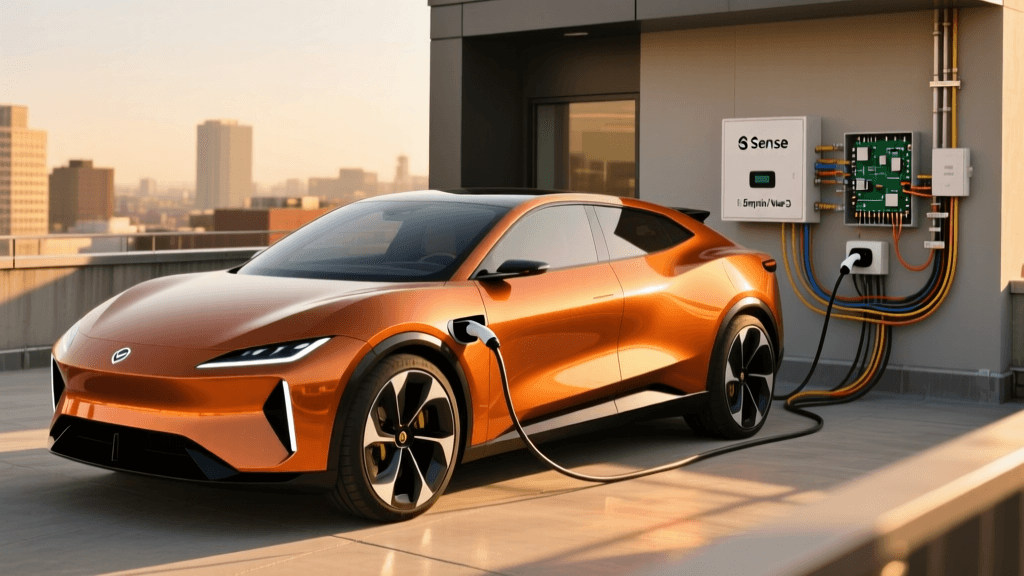
The industry standard solution for MUDs is Dynamic Load Management (DLM). DLM systems utilize smart current transformers (CTs) installed on the main service feeder lines to monitor the building's real-time electrical consumption. When the building's overall power demand is low (such as at 2:00 AM), the DLM system allows the shared EV chargers to draw maximum current. However, during peak demand periods (such as early evening when residents are cooking and running air conditioning), the DLM system automatically throttles the amperage sent to the EV chargers to prevent tripping the main breaker. According to the Alternative Fuels Data Center, implementing smart load management is the most cost-effective strategy for scaling EV infrastructure in multi-family housing without requiring utility transformer upgrades.
Navigating NEC Standards and Accessibility Compliance
Shared EV chargers in multi-unit dwellings are generally classified as commercial or public-facing infrastructure, meaning they must adhere to stricter installation codes than private residential setups. The National Electrical Code (NFPA 70), specifically Article 625, outlines the baseline requirements for Electric Vehicle Supply Equipment (EVSE). Key NEC requirements for MUD installations include:
- GFCI Protection: All receptacles or hardwired connections supplying EVSE must have Class A Ground-Fault Circuit-Interrupter (GFCI) protection to prevent shock hazards in damp or outdoor parking environments.
- Continuous Load Calculations: EV charging is considered a continuous load (operating for 3 hours or more). Therefore, the branch circuit must be rated at 125% of the charger's maximum continuous draw. A 40-amp charger requires a 50-amp breaker and appropriately sized wire (typically 6 AWG copper for shorter runs, or 4 AWG for longer runs to mitigate voltage drop).
- Disconnect Switches: Commercial installations often require a readily accessible, lockable disconnect switch within sight of the charging equipment for emergency maintenance.
Furthermore, property managers must consider Americans with Disabilities Act (ADA) compliance. While the ADA does not currently have specific scoping requirements exclusively for EV charging spaces, the U.S. Access Board recommends treating EV charging spots similarly to standard accessible parking. This means ensuring an accessible route of travel, maintaining proper cross slopes (under 2%), and ensuring the charger's screen and connector holster are mounted within accessible reach ranges (typically between 15 and 48 inches above the ground).
Hardware Selection: Networked Commercial vs. Smart Residential
Choosing the right hardware is critical for shared environments. Property managers must decide between commercial-grade networked chargers and smart residential chargers equipped with access control features. Below is a comparison of the two primary approaches for MUD shared installations.
| Feature | Networked Commercial (e.g., ChargePoint CPF50) | Smart Residential (e.g., Tesla Universal Wall Connector) |
|---|---|---|
| Access Control | RFID cards, Mobile App, Plug & Charge | App-based authorization, Wi-Fi guest access |
| Billing & Revenue | Integrated OCPP billing, custom pricing tiers | Limited; requires third-party software integration |
| Load Management | Native circuit sharing and panel-level DLM | Proprietary circuit sharing (same brand only) |
| Connectivity | Cellular (4G/LTE) + Ethernet + Wi-Fi | Wi-Fi only (problematic in underground garages) |
| Durability | NEMA 4X rated, impact-resistant, cable management | NEMA 3R rated, lightweight, no cable retraction |
For most MUDs, commercial networked chargers like the ChargePoint CPF50 or Enel X JuiceBox Pro Commercial are highly recommended. As detailed in ChargePoint's Multi-Family Solutions guide, commercial units offer built-in cellular modems, which are vital for underground parking garages where Wi-Fi signals cannot penetrate concrete structures. They also support the Open Charge Point Protocol (OCPP), allowing the HOA to switch billing software providers in the future without replacing the physical hardware.
Step-by-Step Installation and Infrastructure Routing
The physical installation of shared chargers in a multi-unit dwelling requires careful planning regarding conduit routing, trenching, and connectivity.
- Site Assessment and Trenching: If the shared parking area is an outdoor lot, installers will need to trench through asphalt or concrete to run underground PVC conduit. For surface-level installations, rigid galvanized steel (RGS) or electrical metallic tubing (EMT) must be used to protect the wiring from vehicle impact and weather.
- Sub-Panel Installation: Rather than running individual home-runs to the main building panel for every charger, electricians typically install a dedicated EV sub-panel fed by a DLM-controlled breaker. This sub-panel then distributes power to a daisy-chain of chargers or individual branch circuits.
- Cellular Signal Testing: Before mounting the chargers, test the cellular signal strength at the exact installation height. In subterranean garages, you may need to install a cellular repeater or run hardwired Ethernet (Cat6) back to the building's main IT closet to ensure the chargers can communicate with the billing server.
- Cable Management Systems: In shared spaces, cables left on the ground create trip hazards and degrade quickly. Install spring-loaded cable retractors or holsters to keep the 25-foot charging cables elevated and organized.
Billing Integration, OCPP, and HOA Approval Strategies
Securing HOA or strata board approval is often the most time-consuming phase of a MUD EV project. To win board approval, the proposal must guarantee that non-EV driving residents will not subsidize the electricity costs of EV owners. This requires a robust billing integration.
Using OCPP-compliant chargers allows the property management company to set custom pricing. You can configure the system to charge users a per-kWh rate (where legally permitted by utility commissions) or a flat hourly session fee. The revenue collected automatically covers the electrical cost, the cellular network subscription, and a maintenance reserve fund. Furthermore, many jurisdictions have enacted 'Right to Charge' laws—such as California Civil Code 4745 and Colorado HB21-1272—which legally prevent HOAs from unreasonably denying EV charger installation requests, provided the resident or the EV vendor covers all installation, maintenance, and electricity costs.
Conclusion
Deploying shared EV chargers in multi-unit dwellings is a complex but highly rewarding endeavor that future-proofs the property and meets growing tenant demand. By prioritizing Dynamic Load Management to avoid catastrophic utility upgrade costs, selecting OCPP-compliant commercial hardware, and adhering strictly to NEC and ADA guidelines, property managers and contractors can build a scalable, safe, and equitable charging network for the modern residential landscape.