The Beginner's Complete Guide to Condo and Apartment EV Charging
Transitioning to an electric vehicle (EV) is an exciting step toward sustainable driving, but for the millions of people living in multi-unit dwellings (MUDs) like apartments, condominiums, and townhomes, charging at home presents a unique set of logistical hurdles. Unlike single-family homeowners who can simply mount a Level 2 charger to their garage wall, condo and apartment dwellers must navigate shared electrical panels, strict Homeowner Association (HOA) bylaws, property management approvals, and complex parking arrangements.
Fortunately, the landscape is rapidly evolving. With new legislation protecting renters and condo owners, alongside innovative load-management hardware, installing an EV charger in a shared living space is more achievable than ever. This comprehensive beginner’s guide will walk you through the exact steps, legal rights, hardware choices, and cost expectations for installing an EV charger in your apartment or condo.
Understanding Your Legal Protections: "Right to Charge" Laws
Before you submit any paperwork to your HOA or landlord, it is crucial to understand your legal standing. Over a dozen U.S. states have enacted "Right to Charge" laws designed to prevent HOAs and landlords from unreasonably denying EV charger installation requests. According to Plug In America's Right to Charge resource, states like California, Colorado, Florida, New York, and New Jersey have robust protections in place.
For example, under California Civil Code Section 4745, HOAs are legally prohibited from banning EV charging stations. While they can enforce reasonable aesthetic and safety guidelines, they cannot outright veto your installation if you meet the technical and insurance requirements. If you live in a state without explicit Right to Charge laws, you will need to rely heavily on diplomacy, thorough planning, and highlighting the property value benefits of EV infrastructure to win over your property management team.
Step 1: Navigating HOA and Property Management Approvals
The biggest bottleneck in multi-unit dwelling installations is the approval process. Property managers and HOA architectural review committees are primarily concerned with three things: safety, aesthetics, and liability. To get your proposal approved quickly, prepare a comprehensive "Installation Packet" that includes the following:
- Architectural Plans: A simple diagram showing the proposed location of the charger, the conduit routing, and the parking space it will serve.
- Electrician Credentials: Proof that you are using a licensed, bonded, and insured electrical contractor who specializes in EV installations.
- Insurance Addendum: A certificate of liability insurance naming the HOA or property management company as an "additional insured" party.
- Hold Harmless Agreement: A legal document stating that you, the unit owner, assume all responsibility for the maintenance, repair, and liability of the charging equipment, ensuring the HOA incurs no financial risk.
- Equipment Specs: Data sheets for the specific charger you intend to install (e.g., ChargePoint Home Flex or Enel X Way JuiceBox), highlighting its UL-listing and safety certifications.
Step 2: Assessing the Electrical Infrastructure
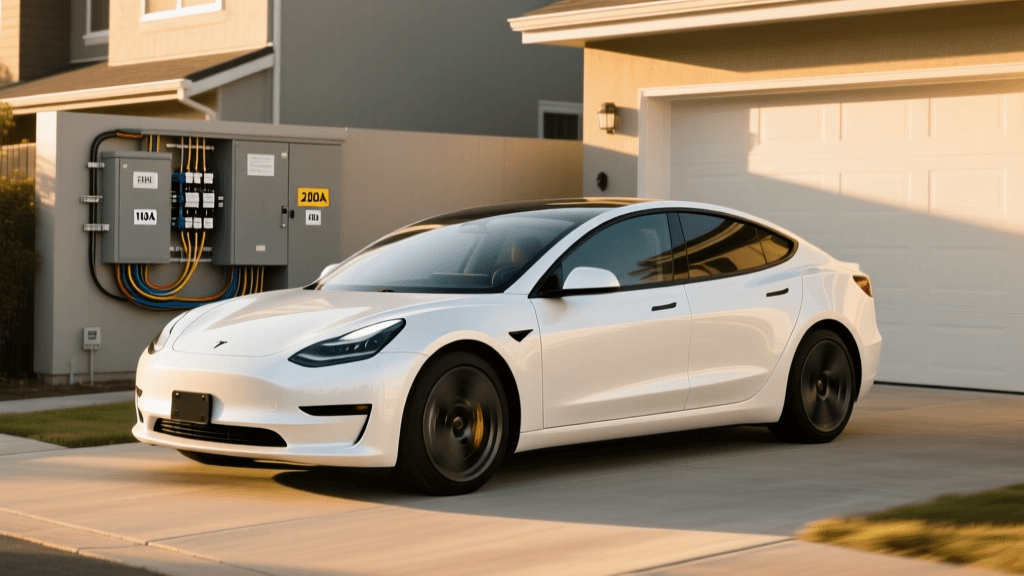
Once approval is conceptually granted, an electrician must assess the building's electrical capacity. In a single-family home, you simply check your main breaker panel for spare amperage. In a condo or apartment complex, you are likely dealing with shared infrastructure. The U.S. Department of Energy's Alternative Fuels Data Center notes that shared electrical panels in older MUDs often lack the spare capacity to support multiple 40-amp or 50-amp Level 2 chargers without triggering a costly building-wide transformer upgrade.
Solutions for Limited Electrical Capacity
If your building's electrical panel is near capacity, you do not necessarily need to abandon the project. Modern technology offers several workarounds:
- Automatic Load Management (ALM): Systems like the NeoCharge Smart Splitter or Emporia VUE allow two EVs to share a single 240-volt circuit (like a NEMA 14-50 outlet) safely. The system monitors power draw and dynamically splits the amperage, ensuring the main breaker never trips.
- Software-Based Circuit Sharing: Premium chargers like the ChargePoint Home Flex or Wallbox Pulsar Plus can be networked together. If installed on a shared circuit, they communicate via Wi-Fi to balance the electrical load between multiple vehicles simultaneously.
- Lower Amperage Circuits: Instead of a 50-amp hardwired connection, you can opt for a 20-amp or 30-amp 240-volt circuit. While this charges your vehicle slower (adding about 15-20 miles of range per hour instead of 35-40), it places significantly less strain on the building's shared grid and is often much easier to get approved.
Step 3: Choosing the Right Hardware for Shared Spaces
Selecting the correct charger for an apartment or condo environment requires balancing charging speed with network capabilities and load management. Below is a comparison chart of the most viable charging setups for multi-unit dwellings.
| Charging Setup | Voltage / Amperage | Estimated Install Cost | Best Use Case in MUDs | Pros & Cons |
|---|---|---|---|---|
| Level 1 (Standard Outlet) | 120V / 12A-16A | $0 - $300 | Garages with existing 120V outlets; low daily mileage drivers. | Pros: No electrician needed. Cons: Very slow (3-5 miles/hr); trip hazards. |
| Level 2 (Smart Splitter) | 240V / Shared 40A-50A | $400 - $800 | Two adjacent parking spots sharing one NEMA 14-50 or 6-50 outlet. | Pros: Cuts install cost in half. Cons: Requires coordination with neighbor. |
| Level 2 (Dedicated Circuit) | 240V / 40A-50A | $800 - $2,500+ | Owners with dedicated, assigned parking and panel access. | Pros: Fast, reliable, independent. Cons: Expensive; requires panel space. |
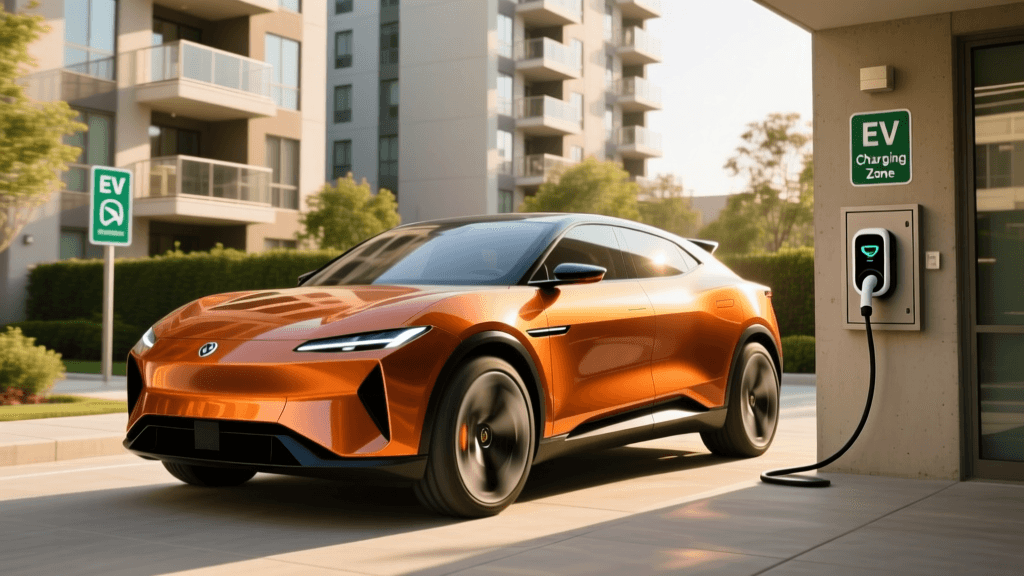
| Commercial Networked Hub | 208V-240V / Varies | $3,000 - $10,000+ | HOA-managed shared parking lots for multiple residents. | Pros: Automated billing; scalable. Cons: High upfront cost for HOA. |
Step 4: The Installation Process, Trenching, and Costs
The physical installation in a condo or apartment is rarely as simple as drilling a hole in drywall. Because your assigned parking space is often located far from your unit's electrical meter or the building's shared sub-panel, routing the wiring is the most expensive phase of the project.
Common Installation Hurdles
- Trenching and Concrete Cutting: If your parking space is in an outdoor lot or a detached garage, your electrician will need to cut through concrete, lay PVC conduit, and pour new cement to run the wiring. This alone can add $1,000 to $2,500 to your final bill.
- Fire-Rated Drywall and Penetrations: Running conduit through indoor, multi-story parking garages requires penetrating fire-rated walls and ceilings. Electricians must use specialized fire-stop putty and sealants to maintain the building's fire safety ratings, which requires strict adherence to local building codes.
- Sub-Metering: If your parking space's electricity is tied to the building's master meter rather than your personal unit's sub-meter, you will need to install a separate utility sub-meter or rely on a networked charger's internal meter to track your usage and reimburse the HOA.
Typical Cost Breakdown
While costs vary wildly by region and building layout, here is a realistic budget expectation for a condo Level 2 installation:
- Level 2 Hardware (e.g., ChargePoint Home Flex): $600 - $700
- Electrical Permit & HOA Fees: $150 - $400
- Labor & Materials (Under 50ft run): $800 - $1,500
- Concrete Trenching / Core Drilling (If required): $1,000 - $3,000
- Total Estimated Range: $1,550 to $5,600
Note: Always check for local utility rebates and federal tax credits. Many local municipalities offer rebates specifically targeted at multi-unit dwelling EV infrastructure to offset these high trenching costs.
Step 5: Managing Billing and Sub-Metering
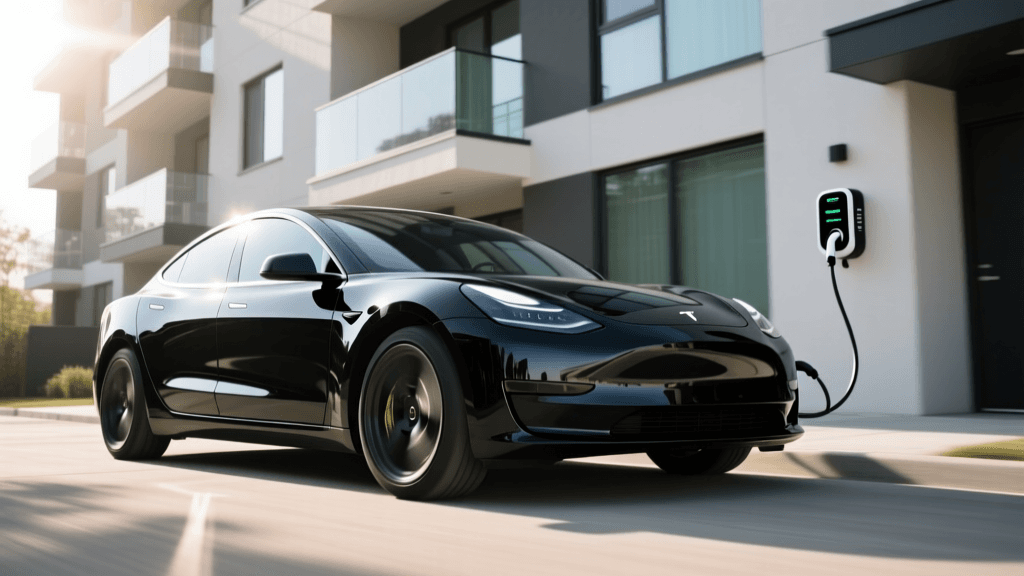
If your charger is wired directly to your condo unit's private electrical panel, billing is seamless—the electricity simply shows up on your monthly utility bill. However, if the charger is wired to a shared "house" meter, you must establish a reimbursement protocol. Networked chargers like the Enel X Way JuiceBox or Wallbox Pulsar Plus feature built-in energy metering and RFID card readers. You can configure the charger via its smartphone app to track exact kWh usage and generate a monthly invoice, which you can then pay to the HOA. Alternatively, some HOAs install commercial-grade networked chargers (like ChargePoint Express or Blink Networked) that require residents to swipe a credit card or use an RFID fob, entirely removing the HOA from the billing process.
Alternative Options if Installation is Denied
If your HOA denies your request, or if the building's electrical infrastructure simply cannot support an upgrade without a prohibitive $50,000+ transformer replacement, do not despair. You still have viable alternatives:
- Workplace Charging: Many corporate campuses now offer subsidized or free Level 2 charging for employees.
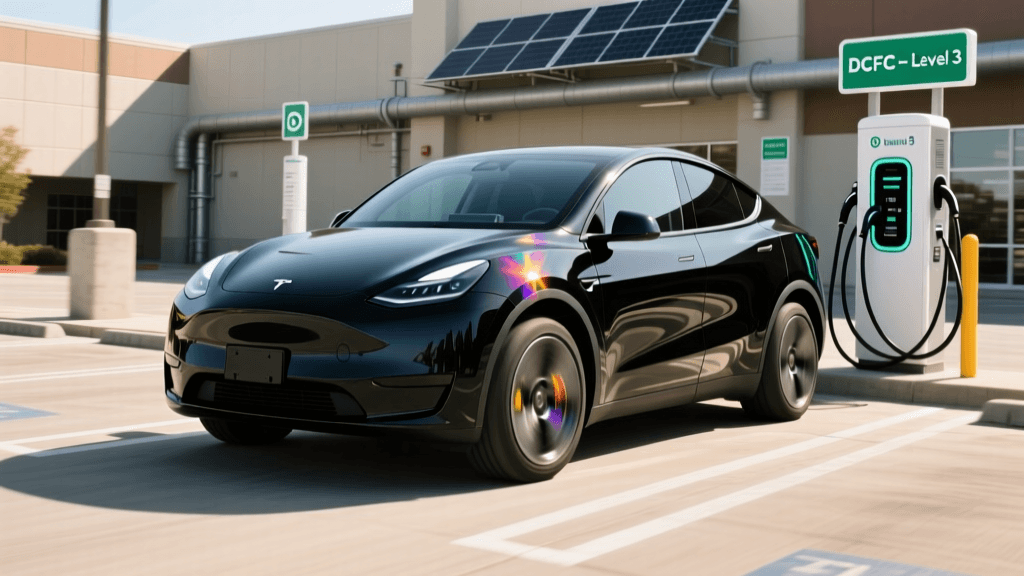
- Public Fast Charging Networks: Utilize apps like PlugShare or ChargePoint to map out DC Fast Chargers (Level 3) near your grocery store, gym, or daily commute route.
- Portable EVSEs: If you have access to a standard 120V outlet in a shared garage (with property management permission), a high-quality portable Level 1 charger can provide enough overnight range for short commutes.
Conclusion
Installing an EV charger in an apartment or condo requires patience, thorough research, and a cooperative approach with your property management team. By understanding your local Right to Charge laws, proposing smart load-management solutions, and selecting the right networked hardware, you can successfully bring the convenience of home charging to your multi-unit dwelling. Start the conversation with your HOA today, gather your documentation, and take the first step toward effortless electric driving.