The Beginner's Complete Guide to Condo and Apartment EV Charger Installation
Owning an electric vehicle (EV) when you live in a single-family home is relatively straightforward: you mount a Level 2 charger in your garage, plug in, and wake up to a full battery. But for the millions of EV owners living in multi-unit dwellings (MUDs) like condominiums and apartments, the process is fraught with unique logistical, electrical, and bureaucratic hurdles. Shared parking garages, limited electrical panel capacity, and strict Homeowners Association (HOA) rules can make EV charging feel like an impossible puzzle.
Fortunately, the landscape is changing. With the advent of smart load-management technology and new legislative protections, installing an EV charger in a condo or apartment is more accessible than ever. This beginner's complete guide will walk you through everything you need to know about securing approvals, assessing your electrical infrastructure, choosing the right hardware, and managing billing in a multi-unit dwelling.
Understanding Your 'Right to Charge' Laws
Before you submit any paperwork to your property manager or HOA board, you need to know your legal rights. Over the past decade, several states have passed 'Right to Charge' laws designed to prevent HOAs and landlord associations from unreasonably restricting residents from installing EV charging stations in their designated parking spaces.
According to the National Conference of State Legislatures, states like California, Colorado, Florida, Hawaii, New Jersey, New York, Oregon, Virginia, and Washington have enacted legislation that protects a resident's right to install a charger. These laws generally dictate that an HOA cannot outright ban EV chargers if you have a deeded or exclusively assigned parking spot. However, they do allow the HOA to enforce reasonable safety, aesthetic, and engineering standards, and they require the EV owner to bear all costs associated with installation, maintenance, and electricity usage.
If your state has a Right to Charge law, you hold significant leverage. If your state does not, you will need to rely heavily on diplomacy, education, and presenting a rock-solid proposal to your HOA board or property management company.
Navigating the HOA and Property Management Approval Process
The biggest bottleneck in condo EV charger installation is not the electrical work; it is the paperwork. HOAs and property managers are inherently risk-averse. Their primary concerns are fire safety, liability, and the financial impact on the building's shared electrical infrastructure.
To get your installation approved, you should prepare a comprehensive 'EV Charging Proposal Packet' to present to the board. This packet should include:
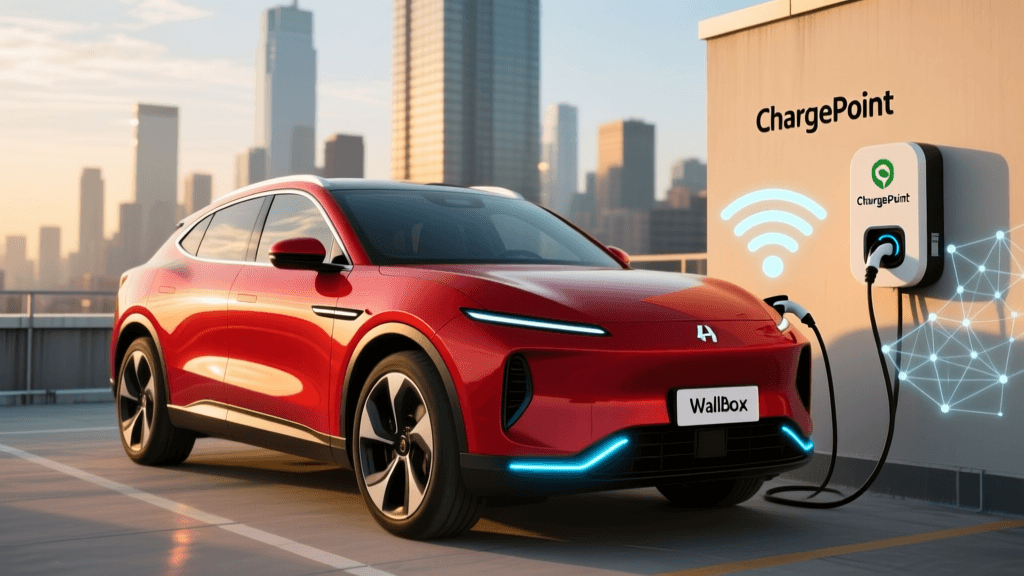
- Equipment Specifications: Provide the spec sheet of the UL-listed or ETL-listed smart charger you intend to install (e.g., ChargePoint Home Flex or Wallbox Pulsar Plus).
- Contractor Credentials: Include the license, bonding, and insurance certificates of the electrical contractor who will perform the work.
- Installation Plan: A diagram showing the proposed conduit routing from the electrical panel to your parking space, ensuring it does not impede pedestrian traffic or violate fire codes.
- Indemnification Agreement: A legal document (often drafted by the HOA's attorney at your expense) stating that you, the unit owner, assume all liability for the installation, maintenance, and any potential damage caused by the EVSE (Electric Vehicle Supply Equipment).
- Insurance Rider: Proof that your homeowner's or renter's insurance policy has been updated to cover the EV charger and any associated liabilities.
Assessing Your Electrical Reality in a Multi-Unit Dwelling
Once you have the board's preliminary blessing, you must determine if the building can actually support your charger. The U.S. Department of Energy emphasizes that a professional electrical assessment is critical for home charging, and this is doubly true for condos where electrical capacity is shared among dozens or hundreds of units.
In a condo, your electrical panel might be located in a private utility closet, a shared basement, or on a different floor than your parking space. The distance between the panel and the charger dictates the cost of copper wiring and conduit. Furthermore, older buildings may not have the spare amperage on the main service transformer to support multiple residents adding 40-amp continuous loads simultaneously.
The Solution: Dynamic Load Management
If your building's electrical engineer says there is not enough spare capacity for a standard Level 2 charger, do not panic. Modern smart chargers feature Dynamic Load Management (DLM) or Power Sharing capabilities. By installing a Current Transformer (CT) clamp on the building's main electrical feed, a smart charger can monitor the building's real-time energy usage. When the building's power demand spikes (e.g., everyone turns on their AC at 6 PM), the charger automatically throttles down the current to your EV. When demand drops, it ramps back up. This allows condos to safely install EV chargers without spending tens of thousands of dollars on municipal utility transformer upgrades.
Comparing Condo EV Charging Installation Options
Depending on your parking situation and budget, you have several installation pathways. Below is a comparison of the most common solutions for multi-unit dwellings.
| Installation Option | Best Scenario | Estimated Cost | HOA Approval Difficulty |
|---|---|---|---|
| Hardwired Level 2 (Dedicated Garage) | Private, enclosed garage with nearby panel | $800 - $2,500 | Moderate |
| NEMA 14-50 Receptacle Install | Assigned covered spot; allows charger removal | $600 - $2,000 | Moderate |
| Shared Networked Commercial Chargers | Open, unassigned shared parking lots | $4,000 - $10,000+ per port | High (Requires HOA investment) |
| Portable Level 1 / Level 2 (No Install) | Access to standard 120V or existing 240V dryer outlets | $200 - $500 (Hardware only) | Low (If no wiring is altered) |
Top Charger Recommendations for Condo Living
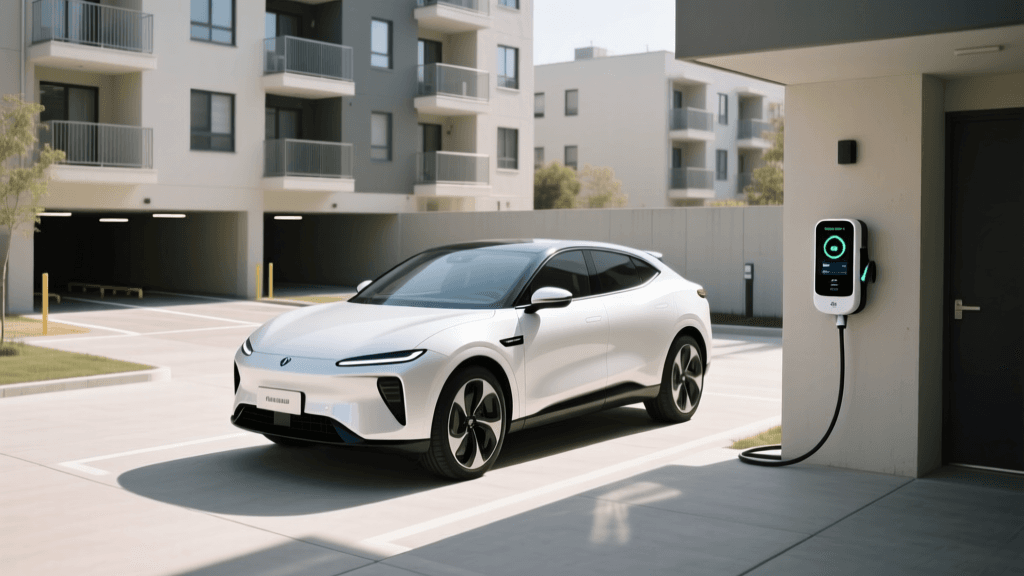
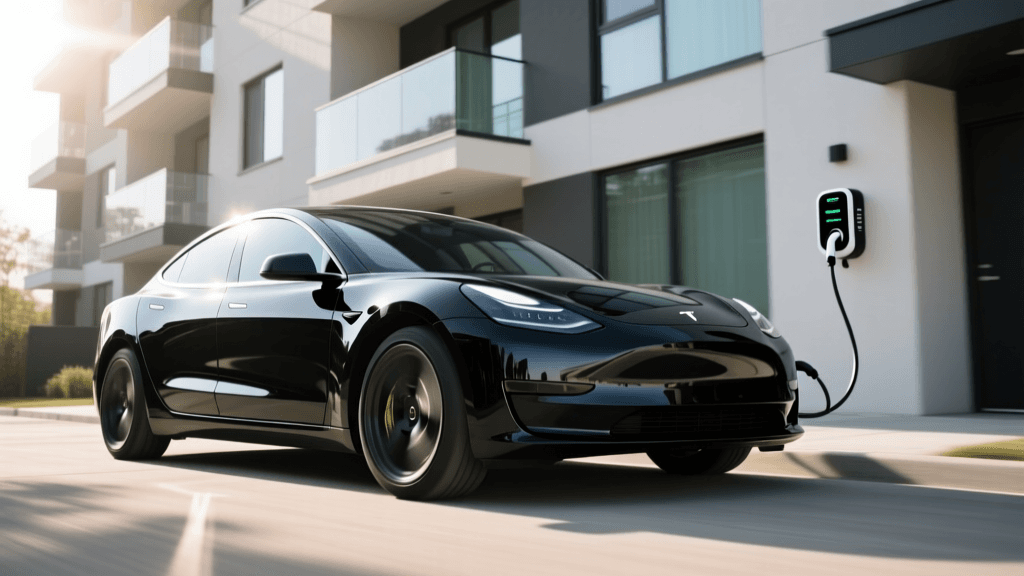
When choosing a charger for a condo, size, cable management, and networking capabilities are paramount. You want a unit that is compact, weather-resistant (if your garage is open-air), and capable of sub-metering so you can track your exact electrical usage.
- Wallbox Pulsar Plus: This is arguably the best charger for tight condo parking pillars. It is incredibly compact, features a built-in holster to keep cables off the ground, and offers excellent 'Power Sharing' capabilities if you and a neighbor want to split the cost of a single electrical circuit.
- ChargePoint Home Flex: A favorite among EV enthusiasts, this unit allows you to adjust the amperage via an app. If your HOA limits you to a 20-amp circuit, you can easily dial the Home Flex down to 16 amps of continuous draw without needing a different physical unit.
- Emporia VUE + EV Charger: If your condo requires strict energy monitoring to ensure you are billed accurately by the HOA, Emporia's ecosystem provides granular, real-time data on exactly how much electricity your vehicle is consuming.
Billing and Sub-Metering: Who Pays for the Juice?
In a single-family home, your EV charging simply shows up on your monthly utility bill. In a condo, the wiring might tie into a shared 'house meter' that pays for the parking garage lights and elevators. The HOA will not simply let you siphon free electricity.
There are three common ways HOAs handle EV electricity billing:
- Internal Sub-Metering via the Charger: Most smart chargers have internal meters. The HOA can read the app data monthly and add the exact kilowatt-hour (kWh) cost to your monthly HOA dues.
- Physical Sub-Meter Installation: The electrician installs a separate, utility-grade digital meter on the conduit feeding your charger. The HOA reads this physical meter monthly.
- Flat Monthly Fee: To avoid the administrative burden of tracking kWh, some HOAs simply charge EV owners a flat monthly fee (e.g., $40-$60) based on estimated average usage.
Your Step-by-Step Action Plan
Ready to get started? Follow this chronological checklist to ensure a smooth installation process:
- Review your CC&Rs: Read your condo's Covenants, Conditions, and Restrictions to find any existing clauses regarding EVSE or electrical modifications.
- Check State Laws: Verify if your state has a Right to Charge law to understand your legal baseline.
- Survey your Space: Take photos of your parking spot, the nearest electrical panels, and the proposed conduit routing path.
- Get Quotes: Hire a licensed electrician who has specific experience with multi-unit dwelling EV installations. Have them perform a load calculation on the building's panel.
- Submit your Proposal: Present your contractor's specs, insurance, and load management plan to the HOA architectural review committee.
- Pull Permits: Ensure your electrician pulls the necessary local municipal permits before drilling a single hole. Condo boards will require proof of city inspection upon completion.
Conclusion
Installing an EV charger in an apartment or condo requires more patience and paperwork than a standard suburban home installation, but the reward of waking up to a 'full tank' every morning is well worth the effort. By leveraging Right to Charge laws, utilizing smart load-management technology, and presenting a professional, risk-mitigated proposal to your HOA, you can successfully bring Level 2 charging to your multi-unit dwelling. Take it one step at a time, communicate transparently with your property managers, and enjoy the seamless transition to electric mobility.