The Zoox Las Vegas Experience: Redefining Urban Mobility
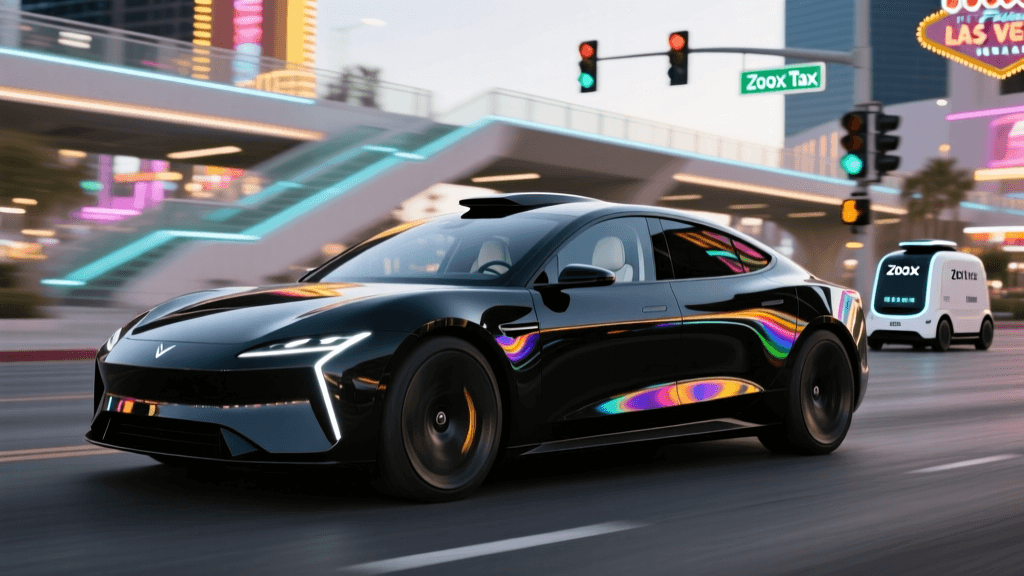
Las Vegas has long been a global epicenter for entertainment, hospitality, and transportation innovation. Today, it serves as one of the most critical real-world testing grounds for autonomous vehicle (AV) technology. Among the myriad of self-driving prototypes navigating the neon-lit streets and suburban avenues, Amazon-backed Zoox stands out with a radically different approach. Rather than retrofitting existing consumer vehicles with aftermarket sensor suites, Zoox has engineered a purpose-built, symmetrical, bidirectional robotaxi carriage. For consumers and industry analysts alike, understanding the cost and value breakdown of the Zoox Las Vegas service is essential to grasping the future of urban mobility.
Current Cost Breakdown: The Zero-Fare Pilot Phase
If you are lucky enough to secure a ride in a Zoox vehicle in Las Vegas today, the most striking aspect of the cost breakdown is the price tag: $0.00. Currently, Zoox operates its Las Vegas fleet primarily as a testing and validation program. Access is generally restricted to Zoox employees, their guests, and a select group of early-access public riders who have been invited through localized waitlists and community outreach programs.
During this pilot phase, the company absorbs 100% of the operational costs, including electricity, remote fleet assistance, insurance, and vehicle depreciation. The value exchange for the rider is simple: you provide your time, your willingness to participate in a beta program, and implicit feedback on the rider experience, while Zoox gathers invaluable edge-case data in a complex, high-traffic urban environment.
Why Free Rides Are a Temporary Value Proposition
It is vital for consumers to understand that zero-fare rides are not a sustainable long-term business model. The current free access is a strategic investment in mapping, sensor calibration, and regulatory approval. Once Zoox transitions to a commercial, public-facing rideshare network in Las Vegas, a monetization model will be implemented. However, the underlying unit economics of a purpose-built robotaxi suggest that Zoox will be able to aggressively undercut traditional rideshare pricing once the human driver is removed from the equation.
Projected Commercial Pricing: Zoox vs. The Competition
To understand the future value of Zoox in Las Vegas, we must project its commercial pricing against current market leaders like Uber, Lyft, and Waymo. Traditional rideshare pricing models allocate a significant percentage of the fare to the human driver, alongside vehicle maintenance and fuel. By eliminating the driver take-rate (which often consumes 50% or more of the gross fare) and utilizing a high-utilization electric fleet, Zoox aims to deliver premium experiences at economy prices.
Below is a projected cost comparison for a standard 5-mile trip across Las Vegas (e.g., from a Summerlin hotel to the Las Vegas Strip) based on current industry averages and projected AV unit economics.
| Service | Base Fare | Per Mile | Per Minute | Driver Tip Expected | Total 5-Mile Estimate |
|---|---|---|---|---|---|
| Zoox (Current Pilot) | $0.00 | $0.00 | $0.00 | No | $0.00 |
| Zoox (Projected Commercial) | $2.50 | $1.20 | $0.30 | No | $10.00 |
| UberX Las Vegas | $3.00 | $1.50 | $0.45 | Yes (15-20%) | $14.50 + Tip |
| Waymo One | $3.50 | $1.60 | $0.40 | No | $13.50 |
| Traditional Taxi | $5.00 | $2.50 | $0.50 | Yes (15-20%) | $20.00 + Tip |
As illustrated in the table, the long-term value proposition of Zoox relies on delivering a Waymo-competitor experience at an UberX price point. Because Zoox does not require a human safety driver behind the wheel, their operational expenditure (OpEx) per mile drops significantly once the fleet achieves scale.
The Value Proposition: Inside the Purpose-Built Carriage
The true value of a Zoox ride extends far beyond the financial cost. The vehicle itself, often referred to as the 'carriage,' is a masterclass in spatial efficiency and passenger-centric design. Unlike modified SUVs or sedans, the Zoox vehicle features no steering wheel, no pedals, and no traditional dashboard. This architectural freedom allows for a symmetrical interior with two forward-facing and two rearward-facing seats, creating a lounge-like, social environment.
Key Value-Add Features for the Rider
- Bidirectional Driving: The vehicle can drive forwards and backwards with equal agility, eliminating the need for complex three-point turns in tight Las Vegas loading zones or hotel driveways.
- Interactive Displays: Each seating position is equipped with interactive screens that display the vehicle's real-time perception of the world, building trust by showing riders exactly what the AI 'sees' (pedestrians, traffic lights, other vehicles).
- Individual Climate and Audio Control: Passengers have granular control over their immediate environment, a massive value-add in the sweltering Las Vegas heat.
- Premium Privacy: The partitioned seating and tinted glass offer a level of privacy that traditional rideshares simply cannot match, making it ideal for high-rollers or business travelers heading to conventions.
By removing the human driver, we are not just removing a cost center; we are reclaiming the most valuable real estate in the vehicle—the front cabin—and returning it to the passenger. The value of a robotaxi is measured not just in dollars saved, but in time and comfort gained.
Practical Guide: How to Access Zoox in Las Vegas Today
Because Zoox is still in the advanced testing and limited-rider phase in Nevada, you cannot simply download an app and hail a ride on demand like you would with Uber. Here is the actionable breakdown of how to maximize your chances of experiencing the service:
- Monitor Local Activations: Zoox frequently sets up pop-up activation booths at major Las Vegas tech conferences, mobility summits, and local community events in the Summerlin area. Signing up for their local mailing list at these events is the fastest track to a rider invitation.
- Understand the Geofence: Current testing routes are heavily concentrated in specific zones, including the master-planned community of Summerlin, areas surrounding the University of Nevada, Las Vegas (UNLV), and select downtown corridors. Rides are generally point-to-point within these approved operational design domains (ODDs).
- The Boarding Experience: When your ride arrives, the app will guide you to a safe, designated pull-over zone. The vehicle's exterior lights will signal that it has identified you. The doors open automatically, and the interior screens will greet you by name, confirming your destination before the carriage glides silently into traffic.
Safety as a Core Value Metric
When evaluating the 'value' of an autonomous ride, safety must be quantified as a primary metric. Zoox's approach to safety is deeply rooted in hardware redundancy and regulatory collaboration. The company has achieved significant milestones, including securing critical approvals from federal regulators to operate vehicles without traditional manual controls. According to the National Highway Traffic Safety Administration (NHTSA), the framework for ADS-equipped vehicles requires rigorous adherence to safety standards, and Zoox's exemptions highlight their compliance with next-generation safety paradigms.
Furthermore, the Zoox Safety Report details a multi-layered approach to collision avoidance, featuring independent primary and secondary compute systems, redundant braking, and 360-degree sensor overlap. For the Las Vegas rider, this translates to a vehicle that is fundamentally designed to never take its eyes off the road, never drive fatigued, and never succumb to the distractions that plague human drivers on the busy Strip.
Final Verdict: The Ultimate Cost-to-Value Ratio
The Zoox Las Vegas service represents a paradigm shift in how we calculate the cost and value of urban transportation. Today, the financial cost to the early-access rider is zero, offering an unparalleled value proposition for those willing to participate in the testing phase. Tomorrow, as the service scales into a commercial enterprise, the elimination of the human driver will allow Zoox to offer a premium, lounge-like, private carriage experience at a price point that undercuts traditional rideshare networks.
For Las Vegas visitors and residents, Zoox is not just another ride to the casino or the airport. It is a glimpse into a future where the vehicle is no longer a machine you operate, but a personalized, mobile sanctuary that respects both your wallet and your time. As the geofenced zones expand and the fleet grows, keeping an eye on Zoox's operational locations will be essential for early adopters looking to experience the cutting edge of autonomous mobility.