The Ultimate Battleground: Consumer Confidence
The race to autonomous supremacy is no longer just about lidar resolution, neural network parameters, or disengagement rates. The most critical battleground for the future of smart driving is the human mind. In this head-to-head product showdown, we are putting the industry giants—Waymo, Tesla Full Self-Driving (FSD), and Cruise—into the ring to analyze public trust survey results and consumer sentiment trends. While engineering metrics dictate what an autonomous vehicle (AV) can do, public trust surveys dictate whether society will actually allow it to operate.
Recent data indicates a massive divergence between the technological capabilities of robotaxis and the general public's willingness to surrender the steering wheel. By examining consumer surveys, safety perception indexes, and brand trust metrics, we can determine which platform is winning the hearts and minds of the riding public.
The Contenders: Defining the Trust Arena
To properly evaluate this showdown, we must define the three distinct products and approaches competing for consumer trust:
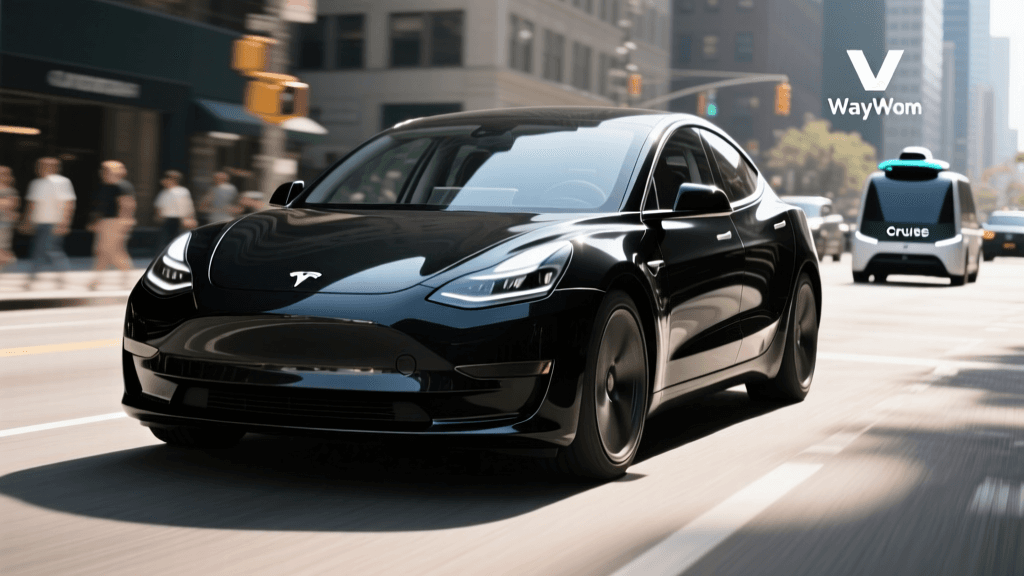
- Waymo (The Robotaxi Purist): Operating fully driverless, geofenced commercial fleets. Waymo's trust model is built on removing the human element entirely and relying on exhaustive real-world mapping and redundant sensor suites.
- Tesla FSD (The Consumer ADAS Disruptor): A vision-only, supervised system deployed in consumer vehicles globally. Tesla's trust model relies on crowd-sourced data, shadow mode learning, and a fiercely loyal brand following, despite ongoing regulatory scrutiny regarding its naming conventions.
- Cruise (The Rebuilding Challenger): Once Waymo's closest robotaxi rival, Cruise is currently fighting to rebuild public and regulatory trust following high-profile safety incidents in San Francisco, making it a fascinating case study in trust recovery.
Round 1: The Baseline Fear Factor and Survey Results
To understand how these brands perform, we first must establish the baseline of public fear regarding autonomous technology. According to the AAA Foundation for Traffic Safety, a significant majority of Americans consistently report being afraid or unsure about riding in a fully self-driving vehicle. In their annual automated vehicle surveys, the fear factor frequently hovers above 65%, indicating a deep-seated psychological barrier that no amount of marketing can easily erase.
When survey respondents are asked to differentiate between brands, Waymo generally benefits from the 'halo effect' of its partnership with Alphabet and its cautious, geofenced rollout. Consumers tend to trust a system that admits its limitations (geofencing) more than one that claims universal capability. Conversely, Tesla FSD faces a unique trust paradox. While Tesla owners exhibit high brand loyalty and are willing to pay for the FSD package, independent surveys show that the broader non-Tesla-owning public remains deeply skeptical of a vision-only system that requires constant human supervision, often confusing 'Full Self-Driving' with unsupervised autonomy.
Round 2: Transparency, Data Sharing, and Regulatory Trust
Trust is heavily influenced by how transparent a company is when things go wrong. The National Highway Traffic Safety Administration (NHTSA) requires standing general orders for crash reporting involving Level 2 and Level 4 systems. How companies respond to this data dictates public perception.
Waymo publishes extensive safety frameworks and voluntary transparency reports, detailing their simulation miles and real-world disengagement data. This academic, highly structured approach to safety cases resonates well with safety-conscious consumers and urban planners. Tesla, on the other hand, relies on its quarterly safety reports, which aggregate Autopilot and FSD data. However, consumer advocacy groups frequently criticize the lack of granular, scenario-specific data in these reports, which slightly depresses trust scores among non-brand-loyalists.
Cruise provides the starkest lesson in this round. Following a severe incident in late 2023 where a pedestrian was dragged by a Cruise vehicle, the subsequent pause of operations demonstrated how quickly public and regulatory trust can evaporate. Surveys conducted in the aftermath showed a sharp decline in consumer willingness to use robotaxi services in dense urban environments, proving that a single highly publicized failure can outweigh millions of safe, uneventful miles.
The Trust Showdown Data Matrix
Below is a comparative matrix synthesizing recent consumer sentiment trends, brand perception, and trust indicators based on aggregated industry surveys and mobility confidence indexes.
| Metric / Platform | Waymo (Robotaxi) | Tesla FSD (Supervised) | Cruise (Robotaxi) |
|---|---|---|---|
| Baseline Public Trust | Moderate-High | Polarized (High for owners, Low for public) | Low (Currently Rebuilding) |
| Perceived Safety | High (Geofenced comfort) | Moderate (Vision-only skepticism) | Low-Moderate (Post-incident caution) |
| Transparency Rating | High (Detailed safety cases) | Low-Moderate (Aggregated data) | Moderate (Post-reset audits) |
| Consumer Willingness to Ride | Growing in active cities | High purchase intent, mixed ride intent | Stalled in paused markets |
| Primary Trust Barrier | Unpredictable human drivers | System over-reliance / Naming | Edge-case handling in urban zones |
Round 3: Partial Automation vs. Full Autonomy Confusion
A critical trend identified by the Insurance Institute for Highway Safety (IIHS) is the dangerous gap between marketing names and actual system capabilities. Surveys consistently reveal that consumers overestimate the abilities of partial automation systems. This 'automation complacency' is a massive hurdle for public trust.
Tesla's FSD battles this perception issue daily. Because it is a Level 2 supervised system, the driver must remain engaged. However, the name 'Full Self-Driving' leads many survey respondents to believe the car is capable of Level 4 unsupervised operation. This discrepancy creates a trust deficit when the system inevitably makes an error that requires human intervention. Waymo avoids this trap entirely; when you step into a Waymo Jaguar I-PACE, there is no steering wheel and no ambiguity. The trust is binary: you either trust the machine completely, or you do not hail the ride. This clarity gives Waymo a distinct advantage in long-term consumer sentiment regarding true Level 4 autonomy.
Actionable Advice: Evaluating AV Trust as a Consumer
How should you, as a consumer or early adopter, navigate this landscape of conflicting survey data and marketing claims? Here is actionable advice for evaluating AV platforms today:
- Match the System to Your Environment: If you live in a mapped, temperate city like Phoenix or San Francisco, trust in Waymo's geofenced robotaxi is statistically justified by their safety case. If you frequently drive in unmapped, rural, or severe-weather areas, rely on traditional adaptive cruise control rather than trusting beta consumer ADAS like FSD to handle edge cases.
- Ignore the Marketing, Read the Disclaimers: When evaluating trust in a vehicle's autonomous features, bypass the brand's promotional videos. Read the owner's manual section on system limitations. If a system requires you to keep your hands on the wheel or eyes on the road, treat it as a convenience feature, not a chauffeur.
- Monitor NHTSA Recalls and Updates: Trust should be dynamic. Follow NHTSA's automated vehicle crash reporting dashboards. A company that issues rapid, over-the-air software updates in response to identified edge-case failures (as Tesla frequently does) demonstrates a proactive safety culture, even if the initial deployment was flawed.
- Start with Geofenced Services: If you are hesitant about autonomous technology, build your trust gradually by using commercial robotaxi services in designated zones rather than purchasing a high-cost consumer ADAS package for your personal vehicle. This allows you to experience Level 4 autonomy with zero financial commitment and robust commercial insurance backing.
The Verdict: Who Wins the Trust Showdown?
When it comes to the sheer engineering reality of unsupervised driving, Waymo takes the crown in this public trust showdown. Their methodical, geofenced approach aligns perfectly with the cautious nature of the average consumer, bridging the gap between technological capability and psychological comfort. Tesla FSD wins the battle of consumer adoption and data scale, but remains locked in a war against its own ambitious branding and the public's misunderstanding of supervised automation. Cruise, meanwhile, serves as the industry's most valuable lesson: trust takes millions of miles to build, but only one viral incident to shatter. Ultimately, the data shows that the public will only trust autonomous vehicles when the industry prioritizes transparent limitations over aggressive marketing.