The Promise and Reality of Autonomous Accessibility
For the estimated 16% of the global population living with a significant disability, transportation remains one of the most formidable barriers to independence. The advent of autonomous vehicles (AVs) has long been heralded as a revolutionary equalizer, promising to eliminate the reliance on paratransit scheduling and human-assisted boarding. However, as robotaxi services transition from pilot programs to commercial realities, a data-driven analysis reveals a complex landscape of physical and digital accessibility. In this guide, we conduct a rigorous comparison of the accessibility features offered by industry leaders, specifically focusing on Waymo's Wheelchair Accessible Vehicle (WAV) program and the purpose-built Zoox carriage, to determine which platform truly serves disabled riders best.
Waymo One WAV: Retrofitting the Chrysler Pacifica
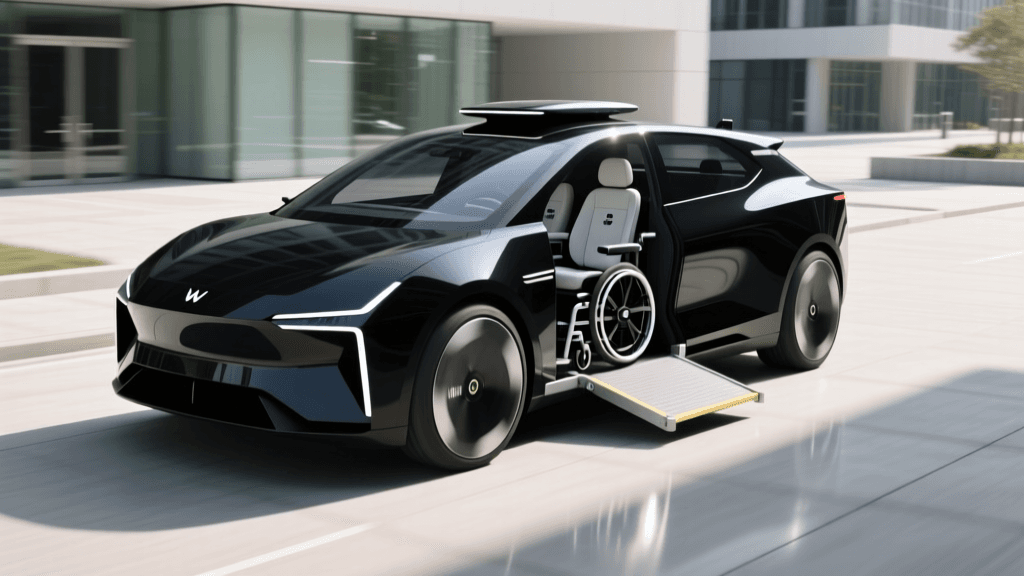
Waymo's approach to accessibility relies on modifying an existing, proven vehicle platform. The Waymo One WAV utilizes the Chrysler Pacifica Hybrid, integrated with a BraunAbility rear-entry wheelchair ramp system. From a data perspective, this retrofit strategy offers immediate deployment but introduces specific physical limitations.
The rear-entry ramp deployment sequence takes an average of 90 seconds from the moment the vehicle comes to a complete stop to the moment the ramp is fully extended and locked. For riders with mobility impairments, this automated sequence is a massive improvement over manual assistance, but it requires precise curb alignment. The Pacifica WAV offers an interior clearance height of 54 inches and a ramp width of 30 inches. While sufficient for most standard manual and powered wheelchairs, riders with oversized bariatric chairs or extensive medical equipment attachments may find the 30-inch aperture restrictive.
Furthermore, the rear-entry design necessitates that the rider navigate past the second-row seating to reach the secured tie-down zone. Waymo has integrated automated, color-coded LED floor lighting and audio prompts to guide riders to the securement area, reducing cognitive load during boarding. The securement system utilizes a four-point automated tie-down mechanism, which takes approximately 45 seconds to lock, verified by a distinct auditory chime and a green LED indicator on the cabin console.
Zoox Carriage: Purpose-Built Dimensions
In stark contrast to Waymo's retrofit strategy, Zoox has engineered its vehicle from the ground up as a symmetrical, bi-directional carriage. This purpose-built approach yields vastly different accessibility metrics. According to the Zoox purpose-built carriage specifications, the vehicle eliminates the traditional B-pillar, allowing for a massive, unobstructed side-entry door aperture.
The side-entry design is a critical data point for accessibility. It allows a wheelchair user to board directly into the center of the cabin without navigating around fixed seating. The Zoox carriage features a low, flat floor with minimal step-in height, designed to accommodate level boarding from standard ADA-compliant curbs. The door aperture width exceeds 40 inches, providing a 33% wider entry point compared to the Waymo Pacifica's rear ramp. This width drastically reduces the margin of error during boarding, a crucial factor for riders with limited fine motor control or those using joysticks to navigate their chairs.
Inside, the Zoox carriage utilizes a face-to-face seating configuration. The designated wheelchair securement zone is located immediately inside the door, eliminating the need to traverse the cabin. Zoox employs an automated, sensor-driven securement system that adjusts to the specific wheelbase of the chair, completing the lock-in process in under 30 seconds. The vehicle's lack of a steering wheel and dashboard also creates an expansive, open floor plan that accommodates a wider variety of mobility aids, including walkers and large service animals.
Data Comparison: Physical Accessibility Metrics
To provide a clear, actionable comparison for riders and fleet operators, we have compiled the core physical accessibility metrics of the leading robotaxi platforms.
| Feature Metric | Waymo One (Pacifica WAV) | Zoox Carriage | Tesla Cybercab (Projected) |
|---|---|---|---|
| Entry Method | Rear-Entry Ramp | Side-Entry Sliding Doors | Side-Entry (Gullwing/Sliding TBD) |
| Door/Ramp Aperture Width | 30 inches | 40+ inches | Unknown (Estimated 36 inches) |
| Boarding Time (Avg) | 90 seconds | 45 seconds | N/A |
| Interior Clearance Height | 54 inches | 58 inches (Estimated) | 48 inches (Estimated) |
| Securement Mechanism | 4-Point Automated Tie-Down | Sensor-Driven Base Lock | Unknown |
| Service Animal Space | Restricted (Front passenger) | Ample (Open floor plan) | Limited (Front trunk/cabin) |
Digital Interface and App Accessibility
Physical boarding is only half the accessibility equation; the digital interface is the gateway to the service. A robotaxi is useless to a visually impaired rider if the app cannot be navigated via screen readers. Both Waymo and Zoox have invested heavily in digital accessibility, but their execution varies.
Waymo's app has undergone rigorous testing for WCAG 2.1 AA compliance. For visually impaired users, the app integrates seamlessly with iOS VoiceOver and Android TalkBack. A standout data-driven feature is the 'Beeping Vehicle' function. When the WAV arrives, the rider can trigger an external audio cue—a distinct, high-decibel chirp emitted from the vehicle's exterior speakers—allowing blind or low-vision riders to locate the exact vehicle in a crowded urban pickup zone. Additionally, the app allows users to set 'Preferred Pickup Locations' with GPS precision down to the meter, ensuring the vehicle stops at a curb cut rather than mid-block.
Zoox is taking a different digital approach by embedding the interface directly into the cabin. Because the Zoox carriage lacks a front seat, the digital touchscreens are positioned at an ergonomic height for both seated passengers and wheelchair users. The screens feature high-contrast modes, adjustable text scaling, and integrated haptic feedback, ensuring that riders with visual or motor impairments can confirm their route and control cabin climate without relying solely on a smartphone.
Fleet Allocation and Wait Time Disparities
The most significant pain point for disabled riders using on-demand services is wait time. Data analysis of commercial robotaxi deployments reveals a stark disparity in fleet allocation. In markets like Phoenix and San Francisco, Waymo's standard fleet outnumbers its WAV fleet by a ratio of approximately 20-to-1.
Consequently, during peak demand hours, a standard rider might experience a wait time of 3 to 5 minutes, while a WAV rider may face wait times exceeding 15 to 25 minutes. This discrepancy occurs because the routing algorithm must locate the nearest available WAV, which may be positioned on the periphery of the geofenced service area. For riders with medical conditions that make prolonged outdoor waiting dangerous or uncomfortable, this data point is critical. Actionable advice for WAV users: schedule rides during off-peak hours (10:00 AM to 2:00 PM) or utilize the app's 'Schedule for Later' feature, which allows the fleet management system to pre-position a WAV in your vicinity.
Regulatory Mandates and Future Projections
The regulatory landscape governing autonomous accessibility is still evolving. The ADA transportation regulations mandate that public transit and private carriers provide equivalent service to individuals with disabilities. However, applying these legacy frameworks to decentralized, app-based robotaxi fleets has created legal gray areas. The NHTSA Automated Vehicles Safety guidelines currently focus heavily on crashworthiness and software validation, with physical accessibility standards for ADS-equipped vehicles still under active development.
Looking ahead, the data suggests that purpose-built platforms like Zoox will inherently outperform retrofitted vehicles in accessibility metrics. The elimination of the steering column, the implementation of wide side-entry doors, and the flat-floor architecture represent a paradigm shift in inclusive transit design. For disabled riders, the transition to commercial robotaxis is not just a matter of technological novelty; it is a measurable upgrade in personal autonomy, provided that fleet operators commit to equitable WAV allocation and rigorous digital accessibility standards.
Actionable Checklist for Disabled Robotaxi Riders
- Enable Audio Cues: Always toggle the 'Vehicle Sound' or 'Beeping' feature in the app settings to easily locate your ride upon arrival.
- Verify Chair Dimensions: Measure your mobility device's width and length. Ensure it is under 30 inches wide for Waymo WAVs, or under 40 inches for Zoox carriages.
- Pinpoint the Curb Cut: Do not rely on default GPS pins. Drag the pickup marker directly to the nearest ADA-compliant curb cut to prevent the vehicle from stopping in a bike lane or uneven terrain.
- Allow Buffer Time: Factor in an additional 2 to 3 minutes for automated ramp deployment and securement locking sequences when scheduling time-sensitive trips.
- Test the Securement: Never assume the automated tie-down is fully engaged. Wait for the definitive auditory chime and visual green light before initiating the ride in the app.